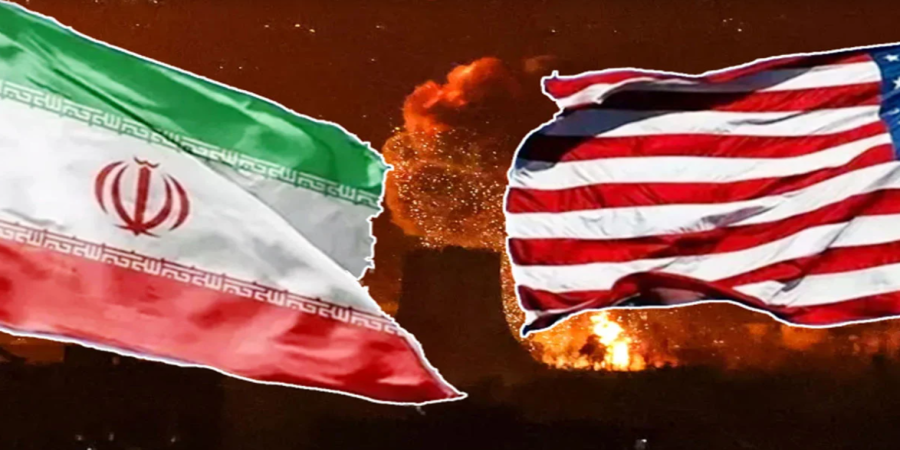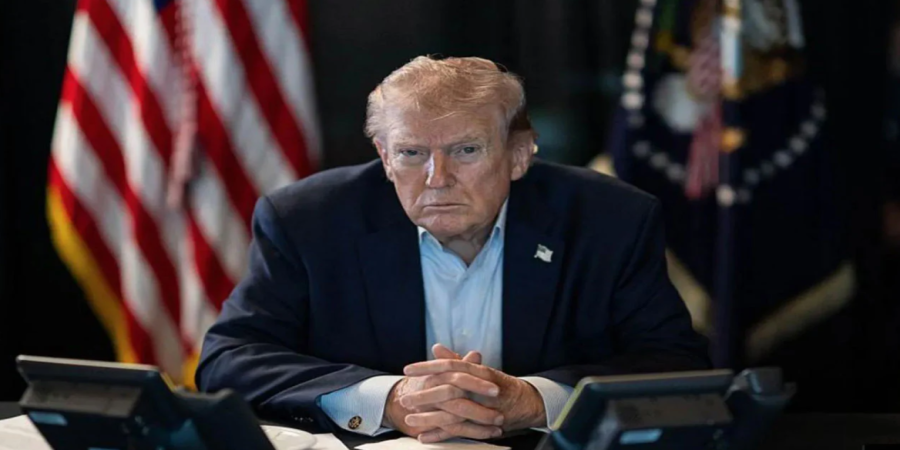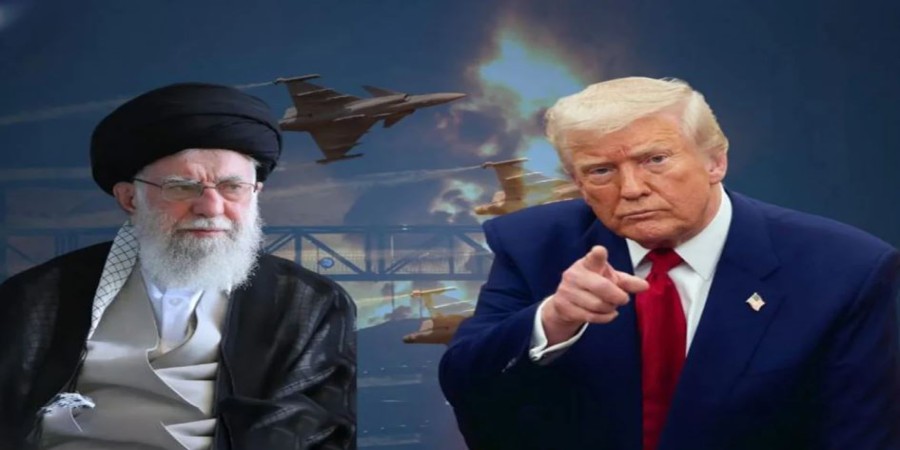
ছবি: ইরানের সর্বোচ্চ নেতা আয়াতুল্লাহ আলী খামেনি (বামে) ও মার্কিন প্রেসিডেন্ট ডোনাল্ড ট্রাম্প। ফাইল ছবি
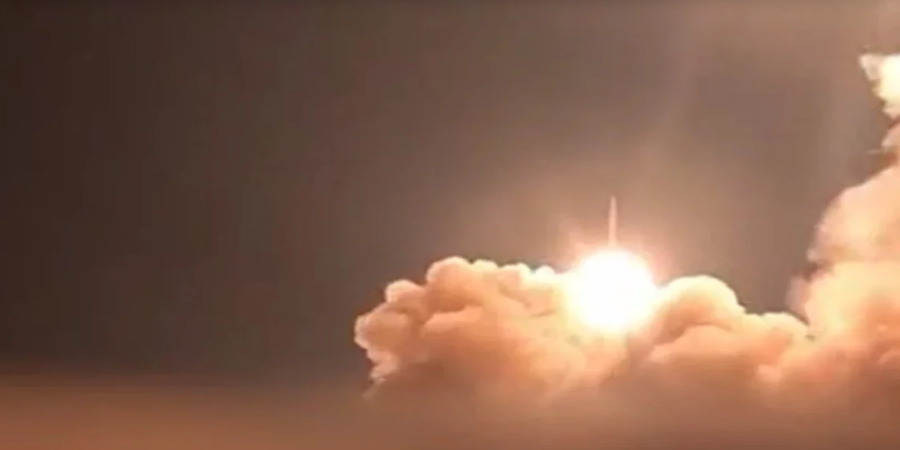
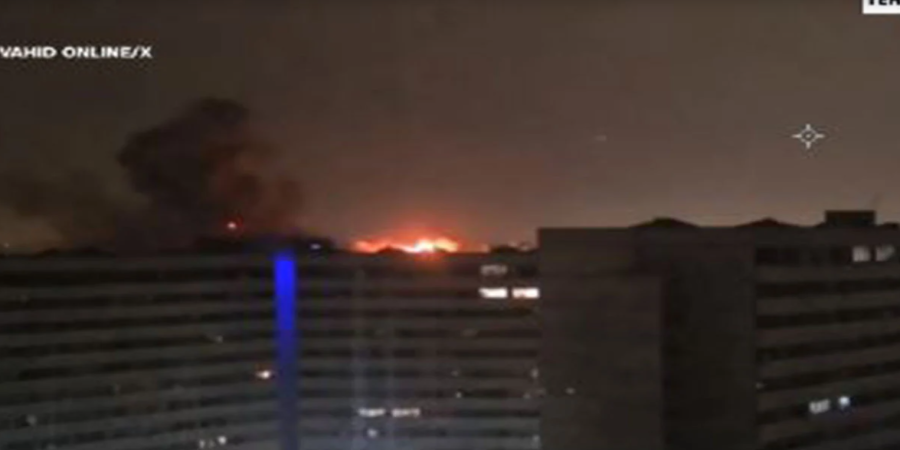
The nationwide unrest in Iran—marked by growing demonstrations, violent clashes and internet blackouts—has taken a sharply geopolitical turn as U.S. President Donald Trump suggested that military action could be authorized if the situation spirals further out of control, a remark that underscores how domestic Iranian instability may rapidly morph into a regional crisis involving global powers; videos circulating on social media show protesters confronting security forces in multiple cities, barricades burning, gunfire erupting and casualties mounting, while human rights organizations warn that the death toll is likely far higher than what limited and disrupted communication channels reveal; Iran’s Supreme Leader Ayatollah Ali Khamenei addressed the nation describing the demonstrations as foreign-backed “terrorist activity,” urging unity and accusing Washington of instigating the unrest, rhetoric that heightens the political stakes and frames the crisis not merely as civil discontent but as an ideological confrontation between Tehran and the West; protesters meanwhile cite corruption, inflation, unemployment and restrictions on civil liberties as core grievances, insisting the unrest is organic rather than foreign engineered, a narrative clash that adds further volatility; policy analysts argue that should the United States actually resort to military force, the consequences would reverberate through the energy markets, global shipping lanes and strategic alliances stretching from Israel and Saudi Arabia to Iraq, Syria, Lebanon and even Moscow and Beijing, given Iran’s critical role in regional proxy networks and oil corridors; the internet blackout has created an information vacuum that pushes journalists, diplomats and observers to rely on fragmented reports, satellite imagery and underground media sources—making it both harder to verify facts and easier for opposing sides to weaponize narratives; whether the crisis culminates in negotiated de-escalation or escalates into open confrontation remains uncertain, but experts note that the current trajectory suggests a shift from domestic upheaval toward a broader geopolitical confrontation, one that could define the next phase of Middle Eastern power dynamics.
reporter