ছবি: ফাইল ছবি
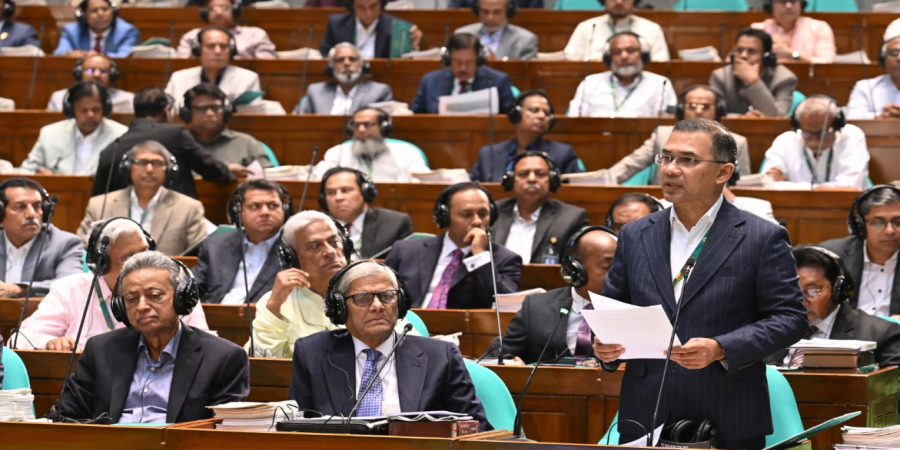
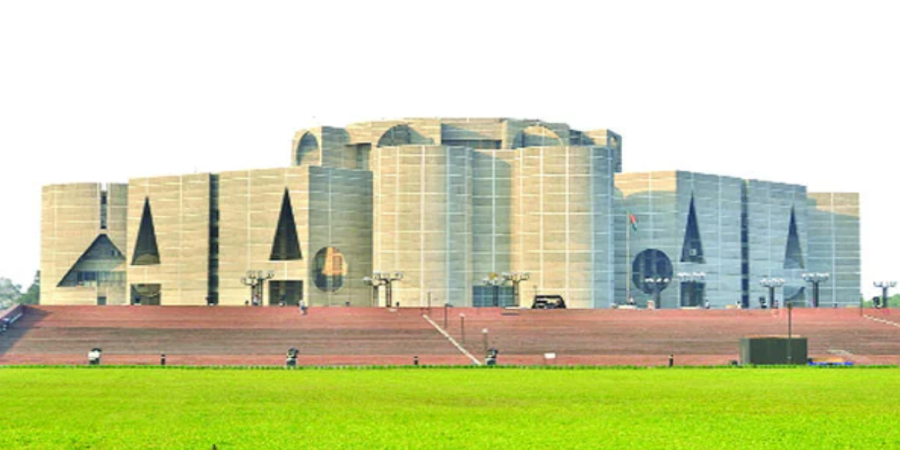
The first session of the newly elected 13th National Parliament is set to begin today, marking a significant development in the country’s political landscape. The session will commence at 11:00 a.m. on Thursday at the Jatiya Sangsad Bhaban. On the very first day, the parliament will elect a new Speaker and Deputy Speaker, formally initiating the legislative activities of the new government. As the majority party, the BNP has decided that the historic session will begin with an inaugural speech by the Leader of the House and Prime Minister Tarique Rahman. According to the constitution and parliamentary rules of procedure, the outgoing Speaker or Deputy Speaker typically presides over the first sitting of a newly elected parliament. However, the current political circumstances have created an unusual situation. Following the fall of the Sheikh Hasina government after a mass uprising led by students and citizens, former Speaker Dr. Shirin Sharmin Chaudhury resigned from her post, while Deputy Speaker Shamsul Haque Tuku is currently in prison. As a result, the new parliament is beginning its session with the Speaker’s position vacant. Parliamentary sources said that at the beginning of the session, the Leader of the House will propose the name of a senior member of parliament to preside over the proceedings temporarily. Once the proposal is seconded by another member, that senior member will oversee the process of electing the new Speaker and Deputy Speaker. The day’s proceedings will begin with the recitation of the Holy Quran. If there are no competing candidates for the posts of Speaker and Deputy Speaker, they will be elected through a voice vote. After the election, the session will be adjourned for approximately 15 to 20 minutes, during which the President, Mohammed Shahabuddin, will administer the oath of office to the newly elected Speaker and Deputy Speaker within the parliament premises. Following the oath-taking ceremony, the parliamentary session will resume under the leadership of the new Speaker. During the session, a panel of five members will be nominated to serve as the Speaker’s panel, and a condolence motion will also be presented. One of the major tasks of the first sitting will be the presentation of nearly 130 ordinances issued during the 18-month tenure of the interim government. A special committee will be formed to examine these ordinances and make recommendations regarding their continuation or amendment. As required by the constitution, the President will address parliament since it is both the first session of the year and the first session of the new parliament. The day’s proceedings will conclude following the President’s speech. Meanwhile, the issue of the Deputy Speaker position has generated political discussion. Traditionally, both the Speaker and Deputy Speaker are chosen from the ruling party. However, under a newly discussed political understanding known as the “July National Charter,” it has been suggested that the Deputy Speaker be selected from the opposition. In line with that idea, the BNP proposed the position to Jamaat-e-Islami, the main opposition party in parliament. However, the party has declined the offer for the time being. After a parliamentary meeting of Jamaat-e-Islami, party leaders said they first want the matter of the July Charter to be resolved in parliament before making a final decision. On the other hand, the BNP parliamentary party has entrusted the Leader of the House, Tarique Rahman, with the authority to make the final decision regarding the Speaker, Deputy Speaker, and the Deputy Leader of the House. This decision was taken during the party’s first parliamentary meeting following the election. In the national election held on February 12, the BNP-led alliance formed the government after winning more than two-thirds of the seats. The BNP itself secured 209 seats, while the alliance won a total of 212 seats. Meanwhile, the Jamaat-e-Islami-led alliance won 76 seats, with the party itself securing 68 seats. Another notable feature of the new parliament is the large number of new members. Analysts note that approximately 76 percent of the lawmakers are first-time members of parliament. As a result, observers believe that the 13th parliament may bring new dynamics to parliamentary debates, procedures, and political culture, potentially making it a unique and important chapter in the country’s democratic political journey.
reporter