ছবি: সংগৃহীত ছবি
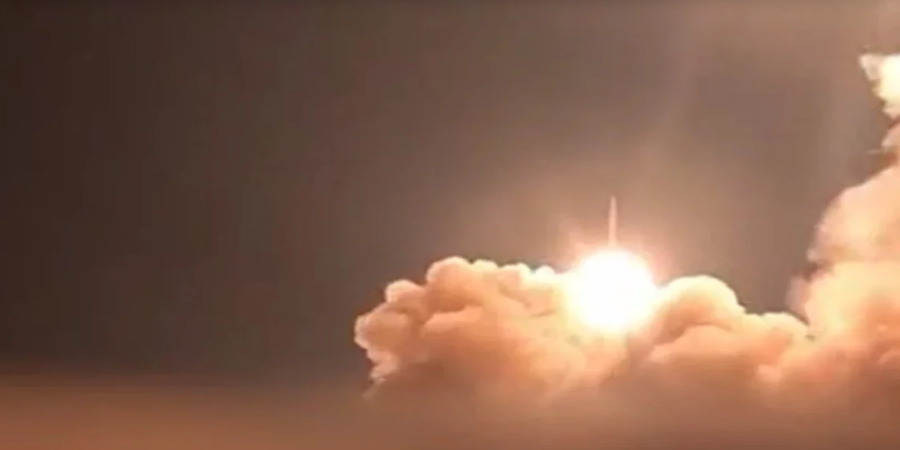
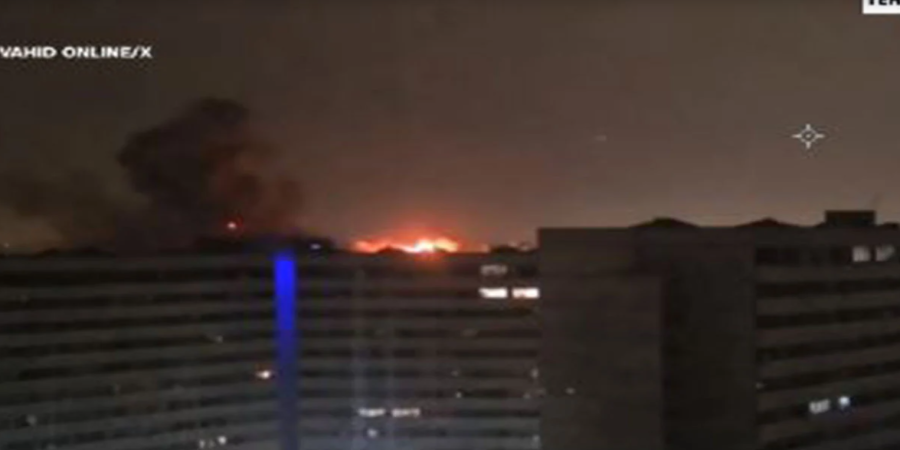
Iran had warned of a strong retaliation even before the joint military operation by the United States and Israel against Tehran began, but nearly two weeks into the conflict the scale and strategy of Iran’s counterattacks appear to have surprised Western military planners and analysts. By combining modern technology, accurate intelligence gathering and relatively low-cost drones, Iran has adopted a battlefield strategy that is proving difficult for one of the world’s most powerful military alliances to counter effectively. At the early stage of the conflict Iran took an aggressive position around the strategically vital Persian Gulf and the Strait of Hormuz, a route through which a large portion of the world’s oil and gas supply moves, creating uncertainty in global energy markets and pushing oil prices higher. Western defense officials acknowledge that the scale and pattern of Iran’s response has been broader and more complex than many initial predictions suggested. Military analysts say that despite lacking the massive defense budget of the United States, Iran is attempting to maximize results through what is known as asymmetric warfare, using limited resources in innovative ways. Reports suggest that Iran is relying on commercial satellite imagery, local intelligence networks and technological surveillance to monitor U.S. military bases and troop movements across the region. Taking advantage of its geographic proximity, Tehran has deployed short-range missiles and drones that can reach targets quickly, sometimes before advanced air defense systems have enough time to fully respond. In particular, slow-moving drones from the Shahed series have proven challenging to detect, as they are small, fly close to sea level and can evade radar detection more easily than traditional high-speed missiles. Although Western officials claim that many of the incoming drones and missiles have been intercepted, several have reportedly struck important installations. According to various international reports and satellite imagery, U.S. radar facilities in Jordan and Qatar have been damaged, a satellite communication center linked to the U.S. Fifth Fleet in Bahrain has been targeted, and an attack on a port facility in Kuwait reportedly caused casualties among American personnel. There have also been reports of strikes near the Prince Sultan Air Base in Saudi Arabia. Analysts believe Iran has refined its tactics through experience gained from regional confrontations in recent years, including tensions with Israel and lessons observed from the Russia-Ukraine war. One notable tactic involves launching large numbers of drones simultaneously toward the same target from different directions, a method often referred to as a “swarm attack,” which can overwhelm and confuse defensive systems. In addition, allegations have surfaced suggesting that Iran maintains extensive intelligence networks across several Gulf countries, potentially helping it gather precise information about military positions and movements. Faced with this evolving situation, U.S. military leadership has acknowledged that operational plans must be constantly adjusted to respond to rapidly changing battlefield realities. Overall, the conflict highlights a growing reality in modern warfare: sheer military strength alone does not determine outcomes, as accurate intelligence, technological innovation and adaptive strategies can significantly influence the direction of a war.
reporter