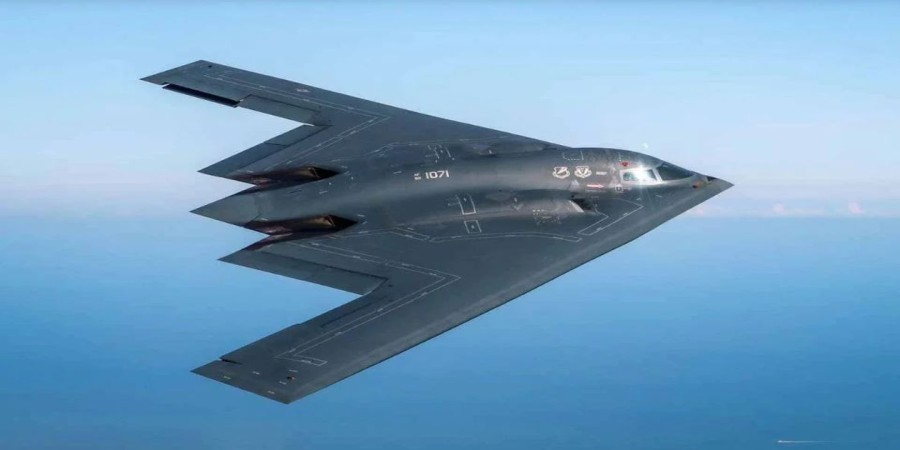
ছবি: সংগৃহীত ছবি
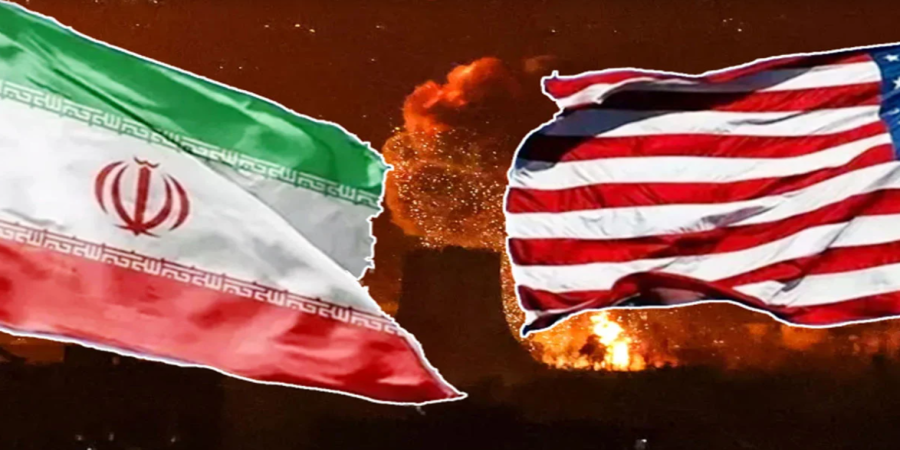
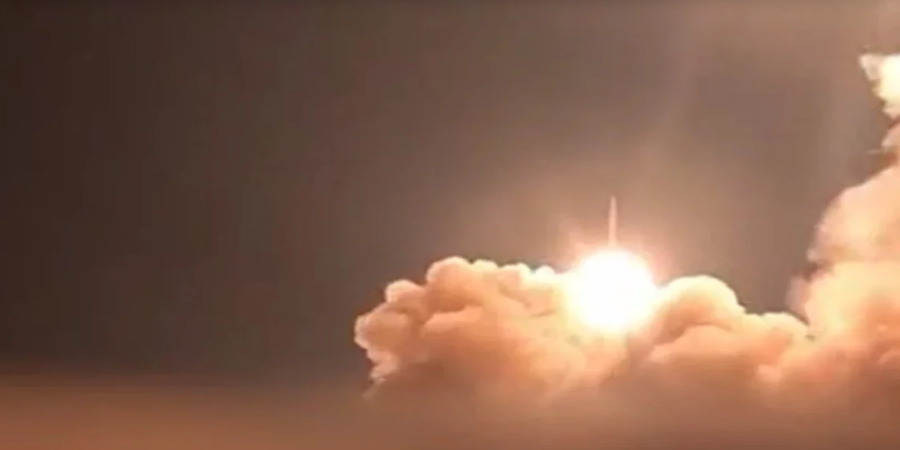
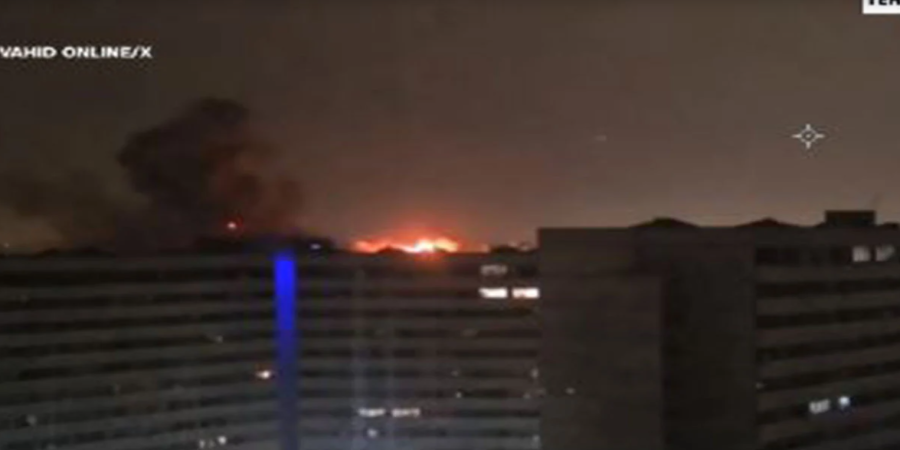
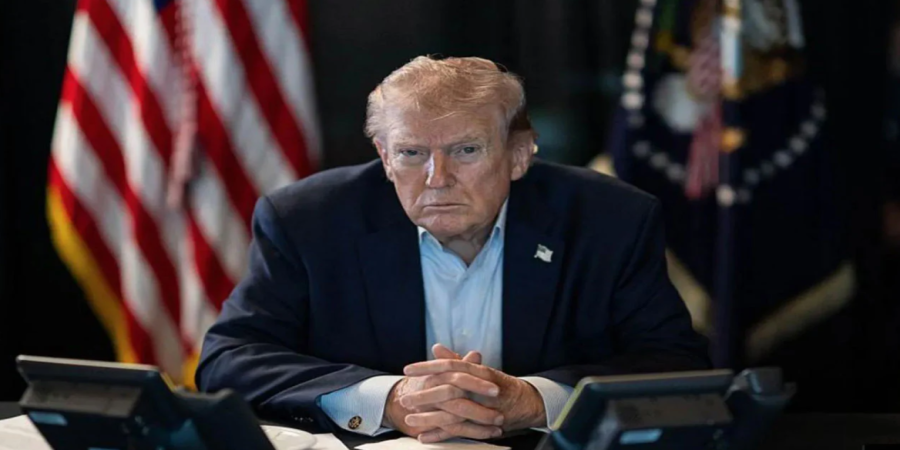
Tensions in the Middle East have escalated to an unprecedented level as multiple intelligence assessments suggest that the United States may launch a military strike on Iran within the next 24 hours. Although no official announcement has been made, recent troop movements, redeployment orders, repositioning of air assets, and real-time defense adjustments at U.S. bases in Qatar and the Gulf region indicate preparations typically associated with pre-strike operational planning. The current standoff between Washington and Tehran has intensified as the United States has openly voiced support for ongoing protests inside Iran and condemned the Iranian government’s response, signaling direct political involvement in the internal affairs of the Islamic Republic. Analysts argue that President Donald Trump’s statements hint at broader strategic ambitions, including regime pressure and possible attempts to reshape regional geopolitics in line with Washington’s long-term objectives. Tehran, meanwhile, has issued strong warnings, declaring that any U.S. strike would trigger retaliatory attacks against American military bases and allied states across the region. The Iranian foreign ministry emphasized that while Iran does not seek war, it is fully prepared for a large-scale confrontation. The situation has alarmed Gulf states, prompting calls for restraint as a war could destabilize global energy supplies, disrupt maritime trade routes, and push the already fragile security balance into collapse. Security scholars note that Iran’s geographic and geopolitical position makes the potential conflict uniquely consequential. A direct military confrontation could move beyond limited strikes and evolve into a multi-layered regional war involving proxy forces, strategic chokepoints, and international alliances. In parallel, Israeli intelligence sources claim that the U.S. has already reached a decision and is simply waiting for tactical timing, while diplomatic circles argue that an intervention remains uncertain until the final moment. Global markets, defense observers, and diplomatic missions are monitoring the situation closely, as the outcome could reshape alliances, alter power dynamics in the Middle East, and influence foreign policy strategies for years to come. Whether a strike occurs or not, the current scenario underscores the volatility of U.S.-Iran relations and presents one of the most sensitive geopolitical flashpoints of the decade.
reporter