ছবি: সংগৃহীত ছবি
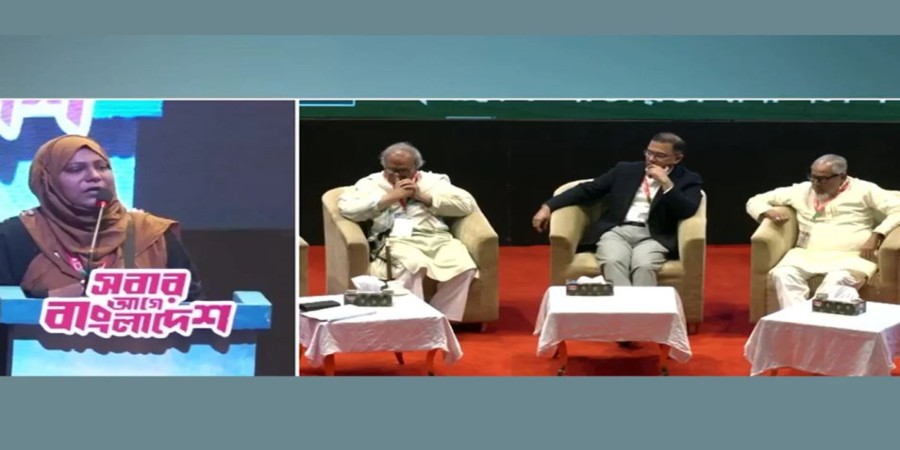
Tarique Rahman, Chairman of the BNP, met with families of those killed and injured during the July mass uprising at a discussion session held at the Krishibid Institution auditorium in Dhaka’s Farmgate–Khamarbari area. The event began at 11 AM on Sunday, where families recounted painful memories, the loss of loved ones, and the long-standing impact of political violence. Many participants expressed frustration, saying that despite years passing since the incidents, they had not received justice, clarity, or meaningful state support. Presiding over the session, BNP Standing Committee member Nazrul Islam Khan stated that these testimonies reveal not only the brutality of political conflict but also raise serious questions about institutional accountability and national responsibility. Prominent BNP leaders were present at the event, including Tarique Rahman’s wife, Dr. Zubaida Rahman, who spent time speaking with the families and praised their resilience in the face of trauma and loss. She underscored that the suffering of these families transcends politics and must be seen through the lens of humanity and justice.
The meeting followed another session held the previous day with families of victims of enforced disappearances, extrajudicial killings, and torture. Many in that gathering said they had waited years without receiving any credible information about their missing relatives. Some alleged that investigations had been deliberately stalled, while others said they feared speaking publicly due to security concerns. Describing this as “an unending chapter of grief,” Tarique Rahman emphasized that the struggle for democracy would remain incomplete unless every affected family received justice and state institutions became genuinely accountable to the people. He pledged that, if voted to power, the BNP would launch comprehensive investigations into all cases of enforced disappearances and political killings and ensure justice through transparent legal processes.
BNP circles view the two consecutive meetings as a major step toward understanding the full scale of suffering endured by families affected by political violence. Party leaders believe these discussions will not only bring suppressed voices to the forefront but also shape future political strategies grounded in public suffering and moral responsibility. After listening to the testimonies, Tarique Rahman remarked that political change alone is insufficient—Bangladesh requires a fundamental reconstruction of its justice system to restore public trust. “Those who gave their lives, those whose families continue to grieve, deserve recognition and justice,” he said. “A sustainable political movement is impossible without listening to the people’s pain.”
Speakers noted that the July uprising was not merely a political agitation but a struggle for democratic rights and broader public participation. The stories shared by families exposed the harsh realities of state violence, socioeconomic hardship, medical burdens, children’s uncertain futures, and long-term psychological trauma. BNP leaders announced plans to prepare a detailed registry of affected families and develop a long-term support framework that addresses their economic, medical, and legal needs.
Many families expressed relief at finally having a platform to share their emotions and grievances. Tears, anger, exhaustion, and gratitude all filled the room as individuals narrated stories of irreversible loss. At the end of the session, Tarique Rahman said, “If we forget the pain and sacrifices of these families, our political struggle loses its moral foundation. We will stand with them until justice is delivered, no matter how long it takes.” The meeting concluded with renewed calls for justice, democratic reforms, and an end to political violence in Bangladesh.
reporter