ছবি: মনিরা শারমিনের ফেসবুক পোস্ট থেকে
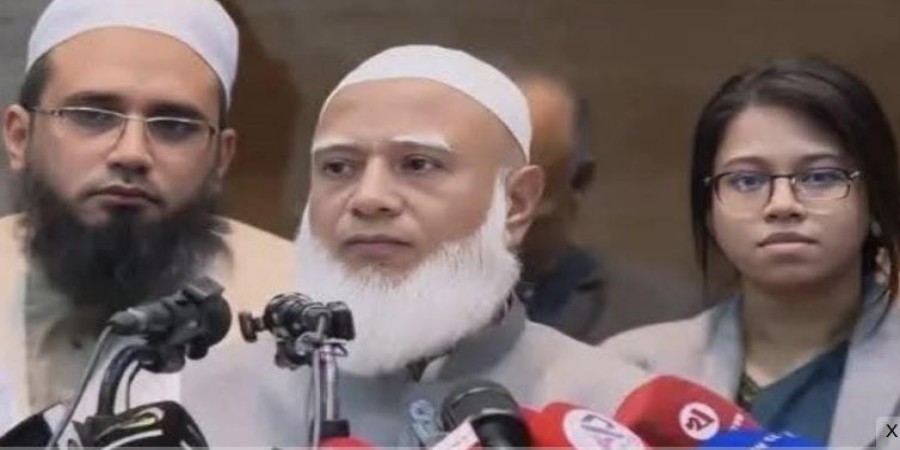
NCP Joint Convenor Monira Sharmin expressed her firm stance regarding women’s participation in politics and the challenges they face, emphasizing that verbal abuse or social discouragement would not deter her from occupying her legitimate political space. In a recent Facebook post, she reflected on her experience at a coalition press conference where she represented her party as part of the election steering committee. She noted that the event provided an opportunity to observe the behavioral patterns of Bangladesh’s political landscape and how women’s presence in political forums remains significantly limited. During the conference, the party’s chairman vacated his seat to ensure she had a place to sit due to a shortage of chairs, while she later noticed that there were no other women present in the hall—a reflection of the underrepresentation of women in mainstream politics. Monira argued that politics should be driven by competence rather than gender, and if competence grants her the right to occupy a particular position, then gender bias should not restrict her from holding it. Highlighting that women constitute 51 percent of the population in Bangladesh, she remarked that any attempt to marginalize such a large demographic from political participation is unrealistic and counterproductive for national progress. She further explained that although the coalition was not based on ideological alignment and the NCP itself does not necessarily operate from an ideological doctrine, the presence of a female representative at such a forum should not be considered abnormal; rather, it reflects the current needs of participatory politics. However, after the event, Monira faced backlash, insults, and abusive remarks from critics, which she described as deeply unfortunate yet insufficient to discourage her. She insisted that her position in politics was earned through merit and perseverance and not granted through tokenism or patronage. She stressed that women must enter politics not merely to acquire power but to protect their identity, dignity, and rightful place within the state and society. According to her, no form of religious conservatism, social policing, or cultural stigma should prevent women from stepping into the political domain. Those who envision political power while excluding women are living in wishful imagination detached from the demographic and political realities of Bangladesh. Monira acknowledged that she might still be walking alone on this path, but history would eventually determine whether her direction was correct. She asserted that the participation of women in politics enhances decision-making, broadens representation, and contributes to a healthier democratic culture for future generations. She concluded by stating that she would continue speaking on behalf of constituencies she represents and would not surrender her space. The post sparked debate across social media, with many describing her stance as bold and necessary in a largely male-dominated political environment. Others pointed out that her experience illustrates the hostile conditions women continue to encounter in politics, including verbal harassment and exclusionary behavior, which may discourage many women from engagement if not challenged. Supporters, however, suggested that such visible defiance might inspire more women to challenge political barriers and redefine gender roles within Bangladesh’s political framework. Monira’s reflection adds to the broader conversation about women’s rights, representation, and political empowerment, highlighting how gender dynamics continue to shape political participation in the country.
reporter