ছবি: Photo: Collected
Nahid Islam, former Information Adviser to the interim government, made a historic decision by resigning from his ministerial post, creating an unprecedented example of political sacrifice. His resignation has been hailed as a unique move in Bangladesh’s political history, showcasing his commitment to prioritizing the nation’s broader interests over personal power. The National Citizens’ Committee made these remarks in a Facebook post late Tuesday afternoon, commending Nahid’s decision.
In a post on the organization’s verified Facebook page, the committee remarked, “Nahid! You have not only made history as a proponent of the one-point movement, but you have also made an unparalleled mark in our 53-year political history by giving up the government car, bungalow, VIP protocols, and power to stand with the people. You have shown that it is possible to relinquish a ministerial position for the greater good of the nation.”
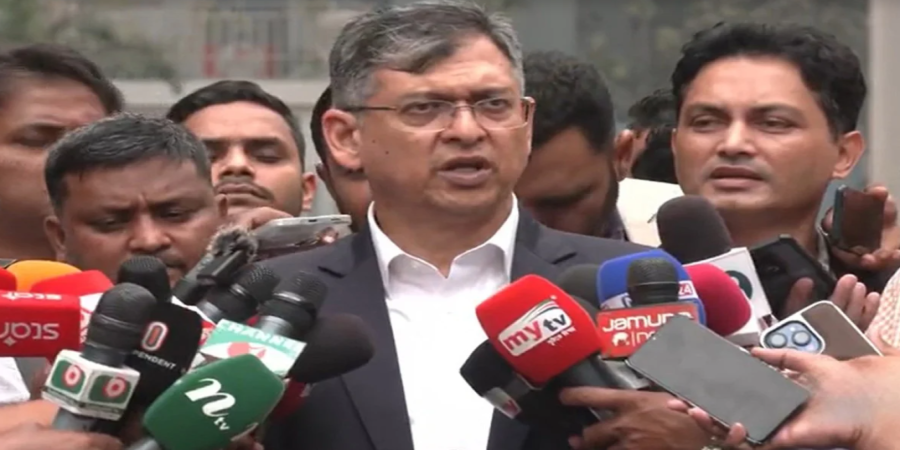
Nahid Islam, following his resignation, submitted his resignation letter to Dr. Muhammad Yunus, the Chief Adviser of the interim government. After submitting his resignation, he held a brief press conference where he explained his decision. “I felt that being on the streets, with the people, was more important than staying in government. That is why I decided to resign. I have submitted my resignation letter and stepped down from all committees,” Nahid stated.
Reflecting on the circumstances that led to his resignation, Nahid explained that following the people’s uprising on August 8, three representatives took on the responsibility of serving in the interim government. At the time, it seemed appropriate to take on these responsibilities to fulfill the aspirations of national security and the people’s movement. After more than six months, while the government has been functioning, Nahid noted that the anticipated results have not yet materialized. However, he acknowledged that the government has achieved a certain level of stability.
“Personally, I believe that in the current national context, it is more crucial for me to be on the streets rather than in the government. It is important for me to stand with the students and the people,” Nahid said, adding that his decision was based on his desire to strengthen the movement for democratic change.
He further explained that the democratic change he and others sought could be better achieved by joining forces with the students and the people who had played a significant role in the uprising. "My role outside the government, with the student and popular movement, will be more beneficial in the current situation. Those who have been with us in this struggle also believe that my presence outside the government will have a greater impact," he said.
Nahid Islam’s resignation marks a symbolic break from the government and a step toward embracing the democratic aspirations of the public. His decision to leave behind the comforts of office and join the political movement demonstrates his commitment to the people’s cause, putting the welfare of the nation above personal or political gain.
His departure from the government comes at a time when Bangladesh is witnessing significant political and social unrest. The resignation has sparked widespread discussions about political ethics, the role of leadership, and the responsibility of public officials to the people they serve.
The National Citizens’ Committee expressed appreciation for Nahid’s selfless decision, recognizing it as a demonstration of leadership that prioritizes national interest over political power. The organization’s post concluded with a tribute to Nahid, acknowledging his historical role in Bangladesh’s political landscape, especially in challenging times.
In the days to come, Nahid’s resignation is expected to stir further debate on the role of government officials in times of national crisis, as well as the balance between political allegiance and the duty to the people. Nahid Islam has set a powerful example, leaving behind a significant legacy in Bangladesh’s ongoing democratic struggle.
As Bangladesh moves forward, Nahid’s political journey will likely be remembered as a defining moment in the country’s ongoing pursuit of democracy and justice. His decision has sent a clear message that political power is not to be sought for personal gain, but rather to serve the people and work toward the betterment of the nation.
reporter