ছবি: ফাইল ছবি
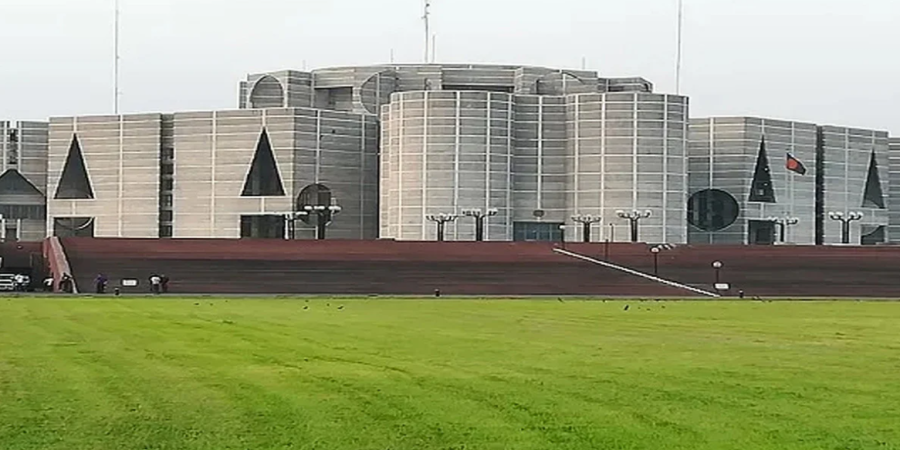
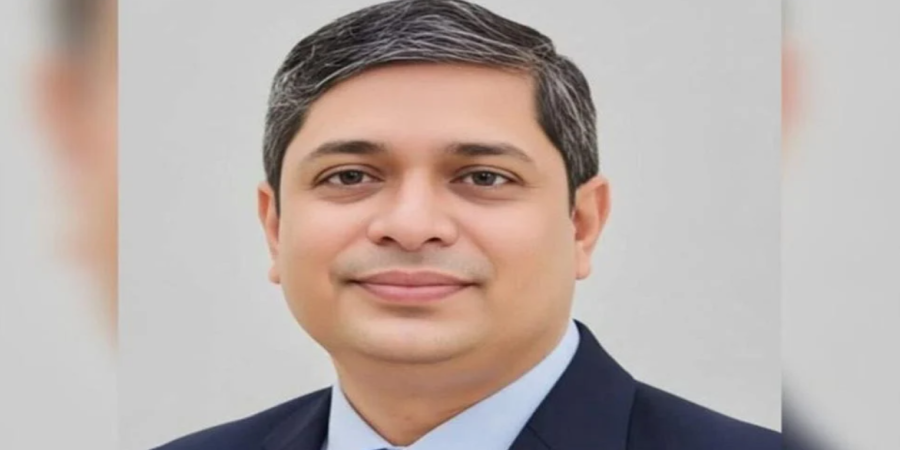
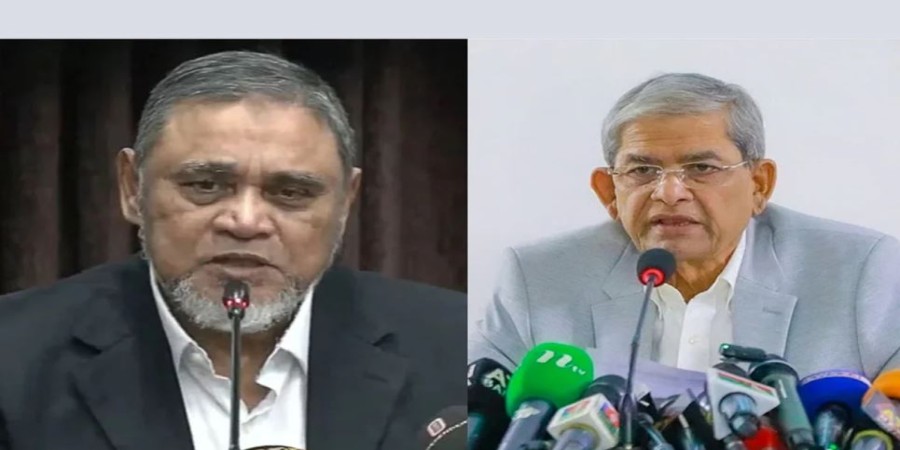
BNP Secretary General Mirza Fakhrul Islam Alamgir is scheduled to meet Chief Election Commissioner A.M.M. Nasir Uddin this afternoon at the Election Commission headquarters in Dhaka’s Agargaon. The meeting, set for 5 PM, has drawn significant attention as it comes amid ongoing debates over election procedures, postal ballots for expatriate voters, and allegations of violations of the electoral code of conduct. The BNP’s media cell has stated that the party intends to formally raise concerns regarding irregularities in the preparation and dispatch of postal ballots, arguing that the process lacks transparency and has directly disadvantaged the party. According to the BNP, serious flaws exist in the handling of voter slips and the documentation process for absentee voters, and these issues need urgent corrective measures to ensure fairness.
Alongside postal ballot complaints, the BNP has also alleged breaches of electoral rules and has accused multiple returning officers of bias during pre-election activities. While such accusations are not new in Bangladesh’s political context, the timing of today’s meeting has given it special significance, particularly because the electoral environment is becoming increasingly sensitive as polling day approaches. Many political analysts believe the BNP may not only present grievances but also propose a set of structural reforms aimed at ensuring transparency and accountability throughout the electoral system. Party insiders have hinted that continued irregularities may erode public confidence in the electoral process and limit the participation of expatriate voters, who play a growing role in Bangladesh’s political and economic landscape.
The last formal interaction between the BNP and the Election Commission occurred when a delegation led by Salahuddin Ahmed submitted complaints regarding postal ballots and demanded clarification. With no formal directive or resolution announced since then, political observers view today’s meeting as part of a broader attempt to ease tensions and address pre-election disputes through administrative dialogue. The Election Commission, meanwhile, has signaled its interest in maintaining communication with political stakeholders to safeguard institutional credibility.
While the ruling party remains confident about the upcoming election, opposition parties continue to express concerns about neutrality, administrative conduct, and procedural transparency. Analysts argue that if the Election Commission fails to adequately respond to the concerns of the opposition, the legitimacy of the electoral process could be called into question both domestically and internationally. Issues likely to surface during today’s meeting include voter slip distribution, observer accreditation, campaign conduct, voter list accuracy, and rules governing publicity and advertisements.
Mirza Fakhrul’s participation indicates the BNP’s heightened interest in institutional dialogue during a politically charged period. Observers note that meetings of this nature can shape both the tone and trajectory of pre-election politics and may influence how competing parties behave in the final stages before voting. Despite the uncertainty surrounding the meeting’s outcome, the political arena is anticipating whether the Election Commission will address the opposition’s complaints with seriousness or whether the dispute over electoral procedures will continue unresolved. The coming hours may therefore help signal whether the election environment is heading toward compromise, confrontation, or cautious cooperation as the country moves closer to election day.
reporter