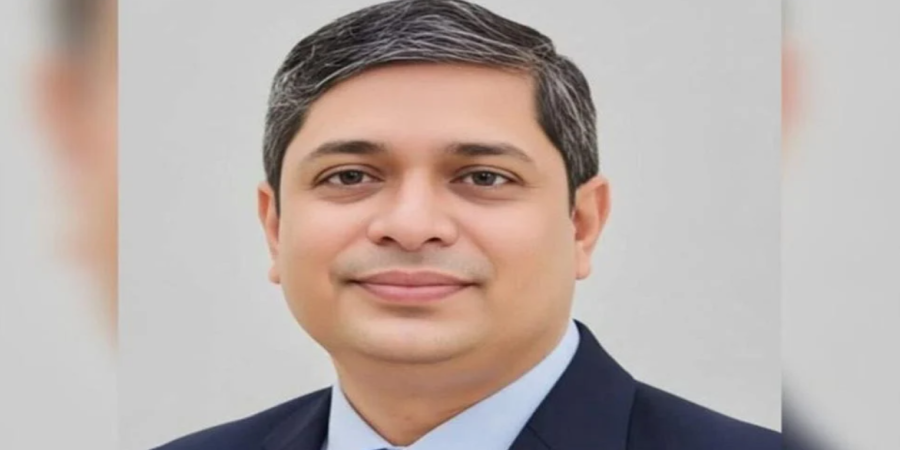
ছবি: মাওলানা গাজী আতাউর রহমান।
A recent remark made by Dr. Abdullah Muhammad Taher, a senior Naib-e-Ameer of Jamaat-e-Islami, has triggered a sharp response from Islami Andolon Bangladesh and intensified debates within the country’s political landscape regarding the representation of religious political actors in diplomatic spaces. In a statement issued on Sunday, Islami Andolon’s Joint Secretary General and spokesperson Maulana Gazi Ataur Rahman accused Taher of mischaracterizing the party as being connected to extremism during a discussion with a United States Embassy official, describing the allegation as baseless, politically motivated, and inconsistent with the party’s history and ideological orientation. According to the statement, Islami Andolon sees itself as a peaceful, reformist, constitutionally aligned Islamic political movement rooted in centuries-old Sufi traditions and focused on social welfare, public preaching, and democratic participation. The party emphasized that it rejects violent or radical tendencies and that applying Western “War on Terror” frameworks to Bangladesh’s domestic political competition risks distorting reality and undermining national interests. The controversy has opened broader questions about the intersection of Bangladesh’s electoral politics, foreign diplomatic engagement, and the positioning of Islamic political parties within global security discourses. Analysts argue that discussions involving foreign diplomats have increasingly become part of Bangladesh’s domestic political strategy, but selectively framing rivals to foreign actors can deepen political polarization and complicate alliance-building among religious political groups. Islami Andolon also questioned why sensitive political narratives were taken to an international diplomatic platform at a time when domestic political reconfigurations and electoral considerations are highly active. The party demanded an official clarification from the US Embassy and warned that politically incentivized narratives about extremism could negatively influence Bangladesh’s reputation, diplomatic bargaining power, and democratic processes. Beyond the immediate dispute, observers note that the incident highlights ongoing tensions between Jamaat-e-Islami and Islami Andolon over ideological legitimacy, voter appeal, and the future of Islamist electoral politics in Bangladesh. It also indicates that geopolitical and security-related frames have begun to shape how Bangladeshi political actors are perceived abroad, creating new complexities for parties seeking to maintain both religious identity and democratic credentials. The episode has prompted renewed debate on whether foreign diplomatic engagement should remain neutral in domestic political competition or whether it inevitably produces strategic advantages for some actors over others. The broader implication is that Islamic political formations in Bangladesh are not only contending with internal electoral dynamics but are also increasingly influenced by external diplomatic narratives and international political expectations, raising questions about how such movements will adapt in future electoral cycles and shifting geopolitical conditions.
reporter