ছবি: সংগৃহীত ছবি
reporter
Headline:
ছবি: সংগৃহীত ছবি
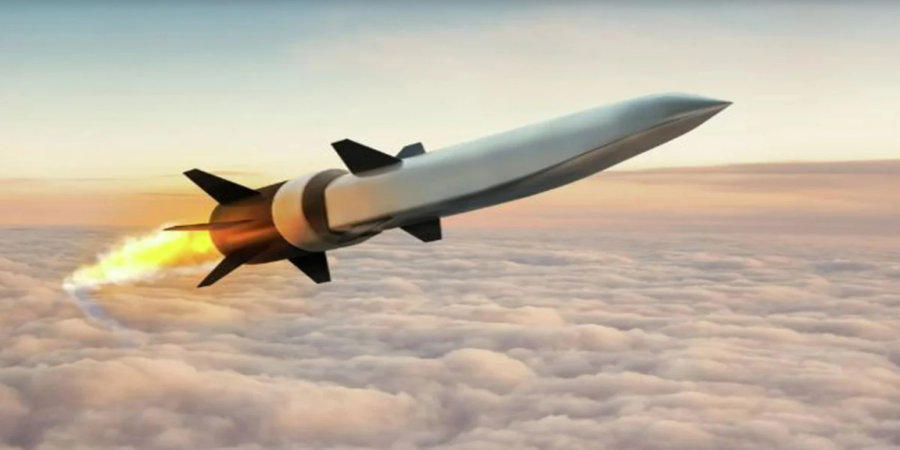
Amid escalating tensions between Iran and the United States, reports indicate that Tehran is moving toward acquiring China’s advanced CM-302 supersonic anti-ship missile, a development that could significantly reshape the strategic balance in the Middle East. Defense analysts suggest that if inducted into Iran’s arsenal, the missile would substantially enhance the country’s deterrence capability and alter naval calculations across the region. The CM-302 is widely regarded as the export variant of China’s YJ-12 missile and is powered by solid fuel, enabling it to travel at speeds approaching Mach 3—roughly three times the speed of sound. Its high velocity and sea-skimming flight profile make detection and interception by conventional radar and air defense systems extremely challenging. With an estimated range of around 290 kilometers, the missile is designed to strike distant maritime targets with precision. Military experts argue that even a single successful hit could severely damage or potentially disable a large warship or destroyer, underscoring its destructive potential. One of its key advantages lies in its flexible launch capability, as it can be deployed from land-based platforms, aircraft, or naval vessels, thereby expanding operational options. Should Iran operationalize such a system, the security dynamics of critical waterways like the Persian Gulf, the Red Sea, and especially the Strait of Hormuz could shift dramatically, affecting both military deployments and global energy supply routes. The United States has long maintained naval dominance in these waters, but the introduction of advanced supersonic anti-ship missiles would compel a reassessment of force posture and defense planning. In recent years, China has rapidly modernized its missile technology and expanded its footprint in the global arms market by offering relatively cost-effective yet highly capable systems. A finalized missile deal between Beijing and Tehran would therefore represent not only a deepening of bilateral defense cooperation but also a broader geopolitical signal. Such a move could intensify regional rivalries, heighten diplomatic friction, and add a new layer of complexity to already volatile security conditions. Consequently, the potential transfer of the CM-302 is being viewed not merely as an arms transaction, but as a development with far-reaching implications for deterrence, power projection, and strategic stability across the Middle East.
reporter

0

0
Rising Global Fuel Prices Will Not Affect Eid Travel: Commerce Minister
Strict Monitoring at Field Level to Prevent Question Leaks and Cheating: Education Minister
Mirza Abbas to Be Taken to Singapore for Advanced Treatment
Parliament Session to Begin at 11 AM
BNP Government Prioritizes Implementation of Election Manifesto Promises
Iran’s Counterattacks Surprise the United States, Reshaping the Dynamics of the War
Second brain surgery of Mirza Abbas completed
Prime Minister launches honorarium program for Imams, Muezzins and priests
Bangladesh Defeat Pakistan Comfortably in First ODI
Operation True Promise 4: Iran–Hezbollah Joint Attack on Israel in the 40th Phase
Government Committed to Implementing Not Only the July National Charter but Also Election Manifesto: Home Minister
Agenda for the First Session of the 13th National Parliament
Speaker and Deputy Speaker: Experienced Leaders to Take Priority
Government’s promises to the people will not change: Prime Minister
Huge Explosion Reported Near Tehran’s Mehrabad International Airport
Bangladesh-Pakistan First ODI Today
How Long Will the War Continue? Trump Speaks Out
Nasiruddin Patwari Insults Mirza Abbas at Iftar Event
Fish Farming in Canals and Tree Plantation Along Canal Banks Planned: Relief Minister
Ziaur Rahman Laid the Foundation of Women’s Empowerment in Bangladesh: President
Bangladeshi Man Becomes Neymar's Close Friend and Trusted Associate
The Real Story Behind Tawhid Afridi’s Marriage
Bangladesh's Foreign Exchange Reserves Near $27 Billion Mark
Declining Female Workforce in Bangladesh's Garment Industry Raises Sustainability Concerns
Bloomberg's 2024 List of Richest Families: The Walton Family Tops the Rankings
Call for Probe Commission Over 2018 'Black Election': BNP’s Mostafa Zaman
19.2% of People in Bangladesh Live Below the Poverty Line
Kazi Nazrul Islam Officially Declared Bangladesh’s National Poet
Dr. Muhammad Yunus Named Among Top 10 Influential Figures by Scientific Journal Nature
Attempted Vehicular Assault on Student Activist Hasnat Abdullah Sparks Outrage
Dr. Muhammad Yunus Invited to World Governments Summit 2025 in Dubai
26.6 Million People Unemployed in Bangladesh, Says BBS Survey
Rumors and Misinformation Spread Ahead of DUCSU Polls: VP Candidate Abidul Islam
Government to Shorten National University Honors Course to 3 Years
Body of Missing Student Raisa Moni Identified After Uttara Fighter Jet Crash
Government Raises Maximum Age Limit for Public Sector Jobs to 32 Years
"Fulkumari" by Pinaki Bhattacharya Unveiled in Paris
Controversy Surrounds Bengali Signage at Whitechapel Station in London
Bangladesh Scores 84th in Global Hunger Index 2024
July Revolution Proclamation Set to Address Legitimacy and Vision for a New Bangladesh