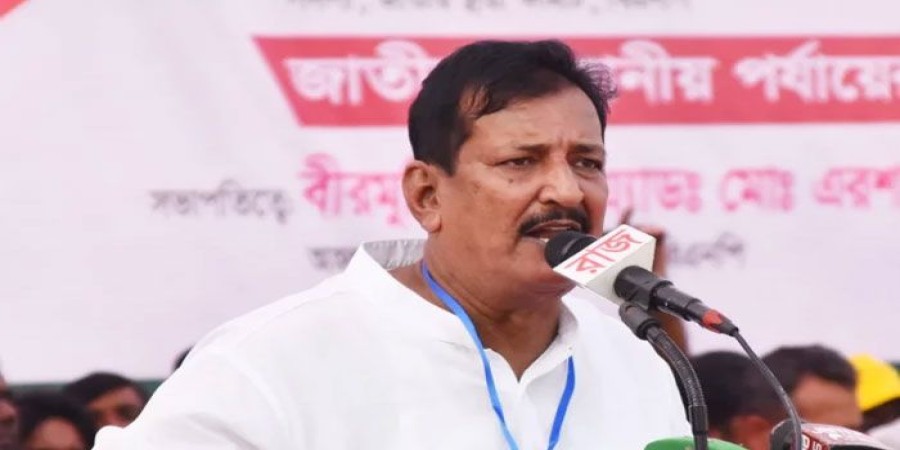
ছবি: ফাইল ছবি
Well-known figure in Rajshahi politics, leader Mizanur Rahman Minu, has once again entered the electoral race as a candidate under the Dhaner Sheesh 🌾 symbol. With extensive political experience, strong organizational skills, and involvement in various public welfare initiatives, he is widely recognized among local voters. His campaign focuses on local development, job creation, strengthening social security, and improving the quality of urban services. Supporters believe that his past achievements and public service efforts have positioned him strongly in the electoral field, and Minu himself has expressed confidence in earning the public’s trust and securing victory.
In a notable humanitarian initiative, Rajshahi’s former mayor and public leader Mizanur Rahman Minu took a bold step to bring hundreds of women out of the darkness of prostitution and reintegrate them into mainstream society. During the period from 1996 to 1999, he implemented a rehabilitation effort aimed at providing these marginalized women with a chance to rebuild their lives with dignity and social acceptance. As part of this initiative, a total of 192 women were given employment opportunities across different departments of the Rajshahi City Corporation. These jobs provided them with financial stability, social security, and a path toward a respectable livelihood, allowing them to move away from a life of exploitation and uncertainty. The program not only focused on providing employment but also aimed to restore their confidence and position within society. Many of the women who benefited from the initiative were able to start new chapters in their lives, secure housing, support their families, and ensure better futures for their children. Local residents and social workers at the time described the initiative as a courageous and compassionate decision, as it addressed a sensitive issue that is often overlooked due to social stigma and moral judgment. The effort also helped raise awareness about the need for institutional support and rehabilitation programs for vulnerable women, highlighting the role that local governments and public representatives can play in social welfare and human rights. Observers believe that such initiatives have long-term positive impacts, not only for the individuals directly involved but also for society as a whole, as they reduce social marginalization and create opportunities for productive participation in economic and community life. Minu’s program is still remembered by many as an example of people-centered governance and responsible leadership, showing that practical steps combined with compassion can bring meaningful change. The rehabilitation of 192 women during that period stands as a significant milestone, demonstrating that with proper support, opportunity, and guidance, individuals trapped in difficult circumstances can return to a dignified and stable life. The initiative continues to be cited as a model for similar social programs, reinforcing the importance of empathy, policy support, and community involvement in addressing complex social issues.
reporter