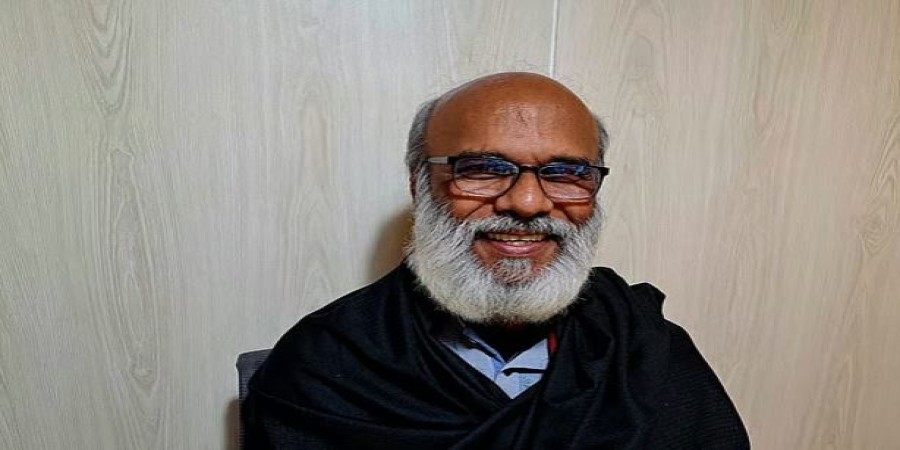
ছবি: বিভিন্ন নাগরিক সমস্যা নিয়ে আন্দোলনের জন্য আলোচিত মোহাম্মদ মিজানুর রহমান জাতীয় সংসদ নির্বাচনে প্রার্থী হয়েছেন
Mohammad Mizanur Rahman, widely known for his unconventional protests and civic activism in Jurain, is running as an independent candidate for Dhaka-4 in Bangladesh’s 13th National Parliamentary Election. A father of three daughters, his youngest child, six-year-old Mrinmayee Hridita, has suffered dengue six times since 2018, leaving the family with debt from medical costs. Mizanur gained national attention for protesting water contamination, dengue, environmental pollution, and gas shortages through innovative demonstrations. In 2019, he appeared at the WASA headquarters carrying a glass jug of water, lemons, sugar, and a knife, intending to serve lemonade to the Managing Director to expose the poor water quality, a move that led to the popular moniker “WASA Mizan.” That same year, research reported that 93 percent of the city’s consumers treated their water before drinking, while authorities claimed the supply was perfectly safe, prompting his symbolic protest. Mizanur’s activism spans movements for environmental protection, dengue awareness, workers’ rights, public health, and air pollution; in 2017 he was beaten by police during a demonstration, sparking global coverage. A Swedish publication later dubbed him one of the world’s five “climate warriors” for his role in the movement to protect the Sundarbans. His decision to contest the upcoming election was influenced by frequent remarks from officials who dismissed his complaints with, “Are you a councillor or an MP?”—which pushed him toward formal politics. Although his nomination was initially rejected, he won the appeal and regained candidacy. Dhaka-4 is heavily populated by working-class residents facing pollution, unemployment, drugs, poor civic planning, shortages of gas and clean water, lack of playgrounds, and compounded burdens for women. Without political patronage or wealth, Mizanur is financing his campaign through small public donations; his election deposit of 50,000 taka and an additional 10,000 taka in expenses came entirely from crowdfunding. He previously contested city council elections, collecting funds through public contributions and earning early votes before boycotting due to alleged irregularities. Mizanur states, “I want to become an MP from an ordinary household, but some see that as insolence.” His mother, daughters, and wife strongly support him, joking that he has already won and must fix the roads afterward. Living near his small molasses-and-mango shop in Jurain, he depends on income from the business and rent from his wife’s ancestral house. Now 51, Mizanur reflects that though his 30 years of activism may not show major institutional victories, small achievements exist; after he staged a protest against dust pollution, authorities began spraying water on roads. He promises systemic reform and prioritizing citizens’ needs if elected, and vows to continue working for ordinary residents even if he does not win.
reporter