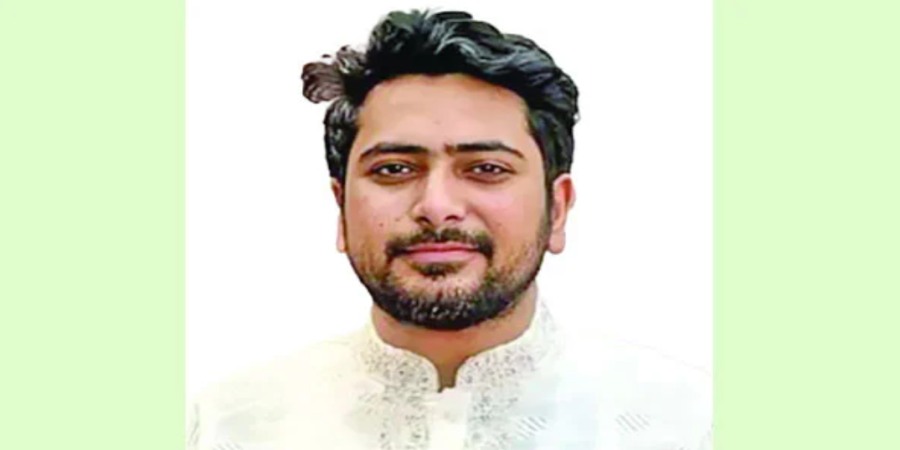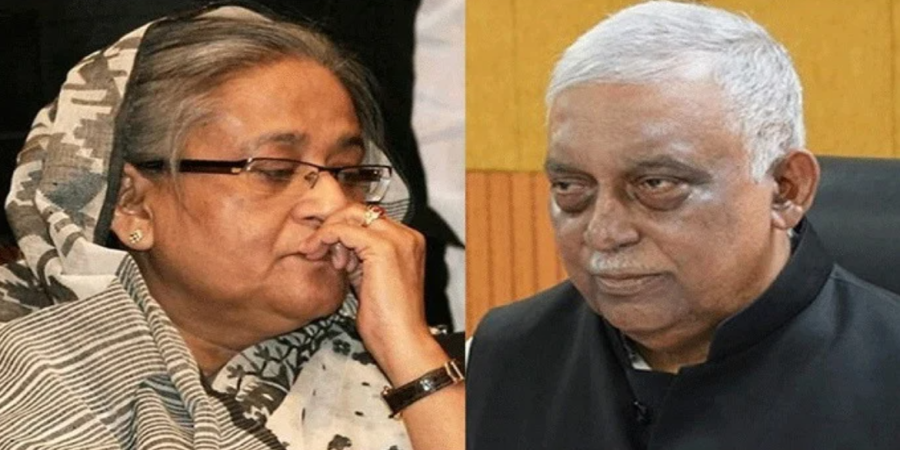
ছবি: ফাইল ছবি
Formal charges have reportedly been filed before the International Crimes Tribunal-1 against former minister Jahangir Kabir Nanak, former Dhaka South City Corporation mayor Sheikh Fazle Noor Taposh, and a total of 28 individuals in connection with alleged crimes against humanity committed in the Mohammadpur area of Dhaka during the July political uprising. According to information provided by the prosecution, the charges were officially submitted to the tribunal registrar, outlining allegations related to unlawful detention, violent acts, disruption of public safety, and political intimidation during a period of widespread unrest. Background accounts describe the July uprising as a volatile phase in which clashes, spontaneous demonstrations, and rapid shifts in control unfolded across the capital, with Mohammadpur emerging as one of the major hotspots due to its political density and strategic location. The filing of charges marks a procedural advancement in the judicial process; however, filing does not imply guilt, as the tribunal will have to assess evidence, witness testimony, cross-examinations, expert submissions, and legal arguments before reaching any verdict. Analysts note that the case is expected to draw competing narratives from political stakeholders, particularly regarding timelines of events, alleged chains of command, human rights implications, video documentation, and testimonies from both local residents and party affiliates. Given the nature of international crimes proceedings, experts caution that the process could be lengthy and complex, involving multiple legal stages and procedural reviews, as the tribunal determines the admissibility, scope, and sufficiency of evidence. Meanwhile, the timing of the formal charges has been interpreted as significant within the ongoing electoral environment, as political parties prepare messaging strategies, consider coalition arrangements, and attempt to influence public opinion ahead of the upcoming national polls. Sources close to the prosecution emphasize that the charges represent legal due process in response to grievances and evidence gathered during the uprising, while associates of the accused describe the matter as politically loaded and potentially aimed at influencing the political theater. Now that the tribunal has formally received the charges, the issue becomes exclusively subject to judicial authority, placing future developments in the hands of the court, which may choose to accept, modify, or reject elements of the prosecution’s submission during preliminary hearings. Broadly, the filing of charges signals that the legal scrutiny of the July uprising is deepening and that the forthcoming hearings may shape both the legal consequences for the accused individuals and the broader political implications tied to accountability, electoral competition, and historical record.
reporter