ছবি: সংগৃহীত ছবি
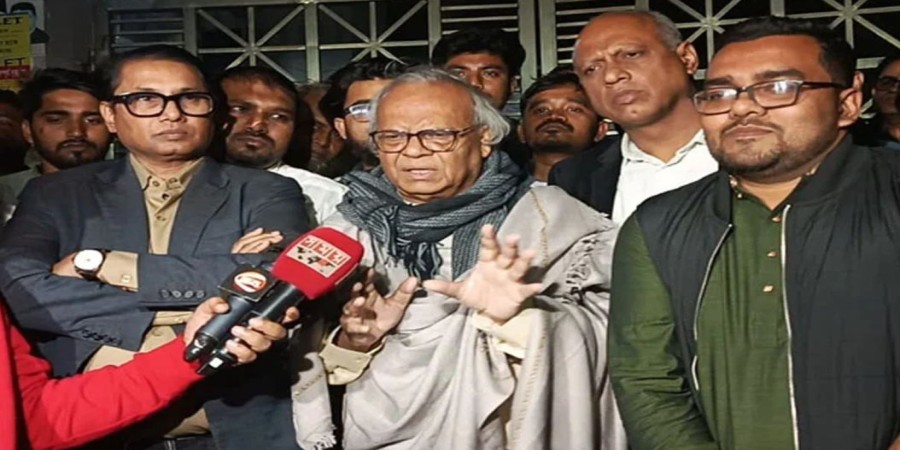
Senior Joint Secretary General of the Bangladesh Nationalist Party (BNP), Ruhul Kabir Rizvi, reiterated that standing beside oppressed and underprivileged people during crisis has always been a core part of BNP’s political philosophy and social responsibility, regardless of political pressure, censorship, restrictions or adversarial state actions. Participating in a winter clothing distribution program for disadvantaged communities in Dhaka, he emphasized that politics, in BNP’s understanding, is not merely about fiery speeches, criticizing opponents or generating viral content, but about maintaining direct engagement with citizens and addressing the real hardships faced by society during crises such as pandemics, floods or severe winter. Rizvi argued that throughout the past decade and a half of political suppression, arrests, and administrative restraints, BNP leaders and professional bodies have consistently carried on philanthropic work and humanitarian outreach, despite attempts to obstruct or restrict such activities. He also noted that BNP’s affiliated professional organizations, including groups of physicians, students and volunteers, have taken part in different forms of social assistance such as medical camps, voluntary blood donation, winter relief and support for those affected by natural disasters, reflecting a culture of civic responsibility within the nationalist camp. He stressed that BNP’s political approach is distinct in that it avoids humiliation of opponents, character smearing through digital platforms or weaponizing social media to incite hostility, which he claimed are common tactics used in contemporary politics. According to Rizvi, BNP’s tradition of humane engagement with citizens has deep roots in the leadership history of Ziaur Rahman, Khaleda Zia and the current leadership under Tarique Rahman, each of whom emphasized political responsibility towards the welfare of people. Speaking on the ongoing election-related environment, Rizvi stated that even under legal, administrative and technological restrictions, Tarique Rahman has been communicating with the electorate through virtual means and presenting a detailed policy blueprint focused on practical commitments such as Family Cards for citizens, Farmers’ Cards for agricultural support, mass plantation campaigns, and employment-oriented initiatives. He argued that such commitments reflect a realistic and structured political agenda rather than slogans or reactive criticism. In his remarks, Rizvi suggested that BNP views politics as an avenue for public welfare and national service rather than animosity, vengeance or propaganda warfare, noting that civic awareness and voter engagement are strengthened through open communication and social initiatives. He added that nationalists do not retreat from social responsibility simply due to political transitions or changes in power dynamics; instead, periods of crisis or state repression often reinforce their sense of duty. Rizvi concluded that despite substantial political and administrative challenges over the past years, BNP’s humanitarian activities have continued and will remain ongoing, as the party considers social welfare to be an inseparable element of its political identity and future direction, especially in the context of shifting electoral expectations and generational political participation. According to him, maintaining accountability to people and ensuring continued contact with citizens is essential for any political movement that aspires to national relevance and legitimacy, and BNP intends to preserve that legacy in the future.
reporter