ছবি: বাংলার বার্তার নিজস্ব ক্যামেরায় ধারণকৃত
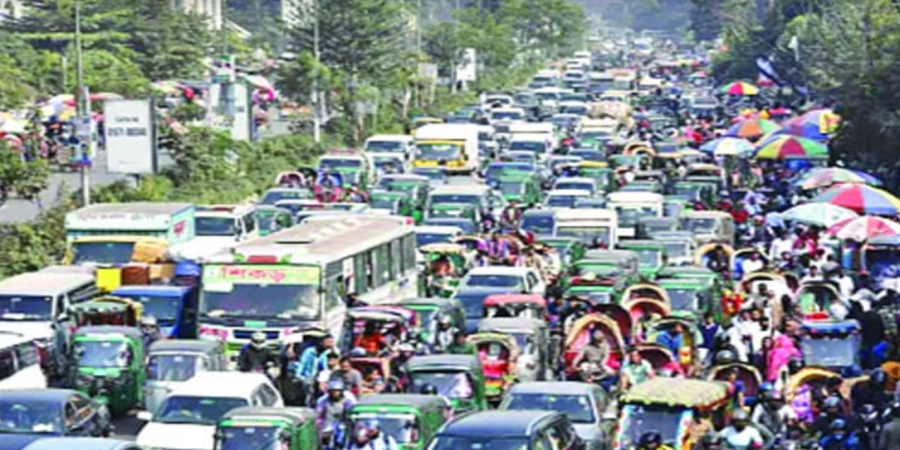
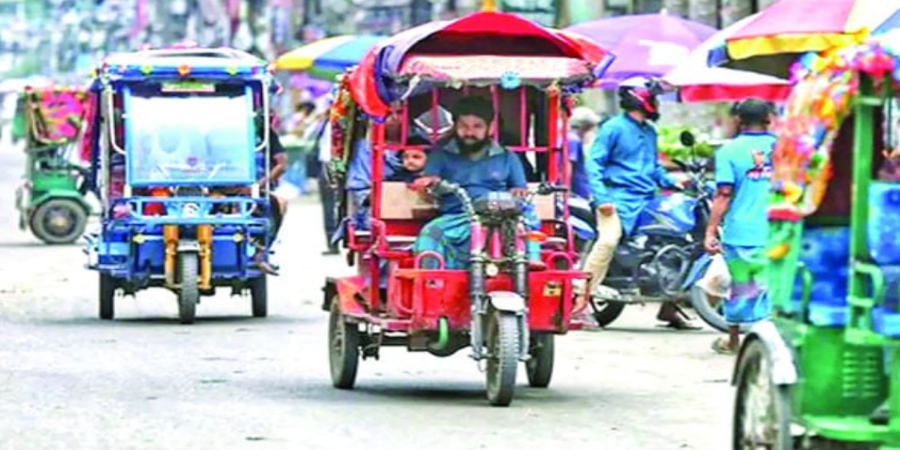
Efforts to prevent rickshaws from entering roads where their movement is officially prohibited in Dhaka have largely failed. Special mechanical “traps” installed at entry points to stop rickshaws from accessing major roads have become ineffective due to poor maintenance and resistance from drivers. As a result, rickshaws are once again operating freely on the capital’s main thoroughfares.
In the last week of March 2024, the trap system was introduced experimentally on Bailey Road and Battery Lane. Gradually, similar devices were installed at the entrances of roads under the jurisdiction of Dhaka South City Corporation where rickshaws are restricted. The initiative was implemented with the support of the traffic division of Dhaka Metropolitan Police.
The traps were designed so that if a rickshaw attempted to pass over them, its wheels would become stuck in iron grooves. In some cases, the mechanism could even puncture the wheels. The objective was to prevent rickshaws from entering main roads from feeder roads without requiring constant intervention by traffic police.
However, in practice, the traps quickly fell into disrepair. Due to a lack of regular maintenance, soil accumulated over the iron grooves, rust developed, and many of the structures broke down. In several instances, rickshaw pullers reportedly damaged the traps deliberately by hammering them flat. In other cases, cement was poured over them to render them useless, and some traps were completely removed.
The installation of these devices also led to complaints from private car drivers, as vehicles sometimes slipped or struggled to pass over the structures. This created inconvenience and dissatisfaction among motorists.
Similar measures had been attempted before. In May 2014, a device called “Protirodh” was experimentally installed in a key area of the capital. It was designed to automatically puncture the tires of vehicles entering from the wrong direction. However, that initiative also failed to achieve lasting success.
At present, it appears that successive attempts to prevent unauthorized rickshaw entry onto Dhaka’s main roads have not produced sustainable results. The failure of the latest trap system has once again posed challenges for traffic management, road discipline, and accident risk reduction in the city.
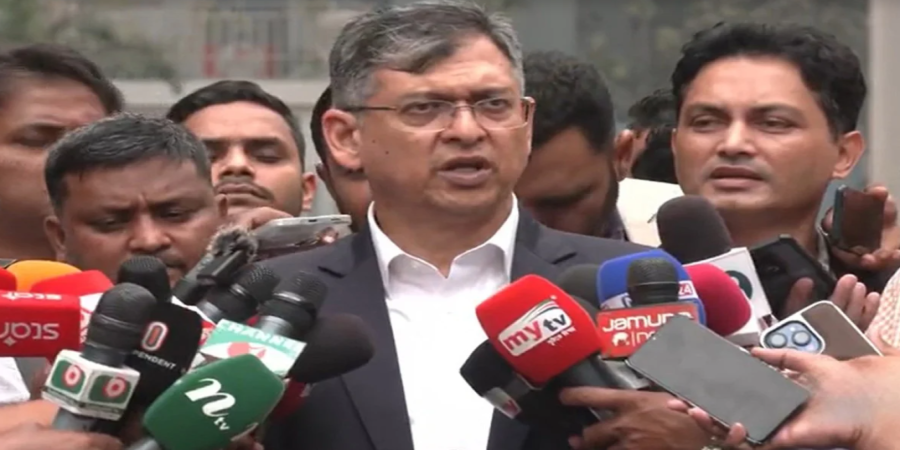
According to Additional Commissioner (Traffic) of Dhaka Metropolitan Police, Md. Anisur Rahman, the trap system was installed on a trial basis to limit rickshaw movement. However, rickshaw pullers deliberately damaged the structures in various ways—flattening them, covering them with cement, or removing them entirely.
He added that daily drives are being conducted to remove unauthorized rickshaws from major roads and that enforcement efforts will be intensified. Under the new government’s directives, authorities are committed to restoring order on the roads at any cost, though he emphasized that public cooperation is essential.
Urban analysts argue that mechanical barriers alone cannot solve the issue. Sustainable solutions require coordinated planning, consistent monitoring, alternative livelihood options, and long-term supervision. Otherwise, even well-intentioned measures risk becoming abandoned infrastructure rather than effective traffic control tools.
reporter