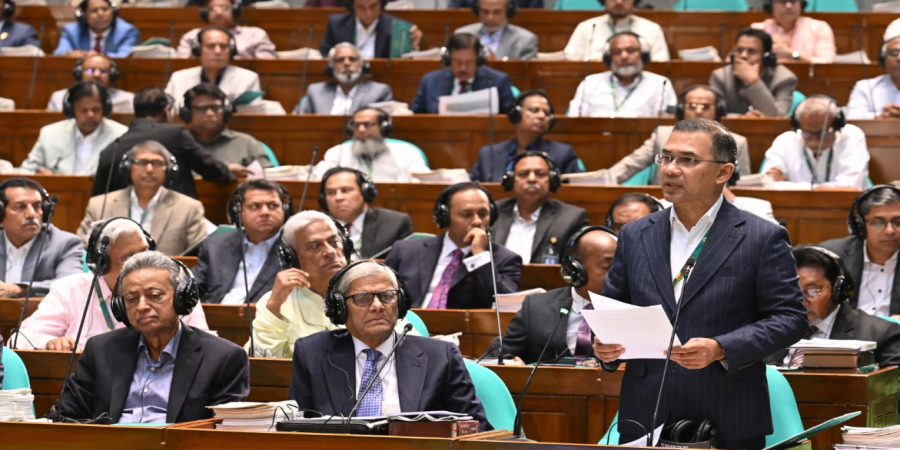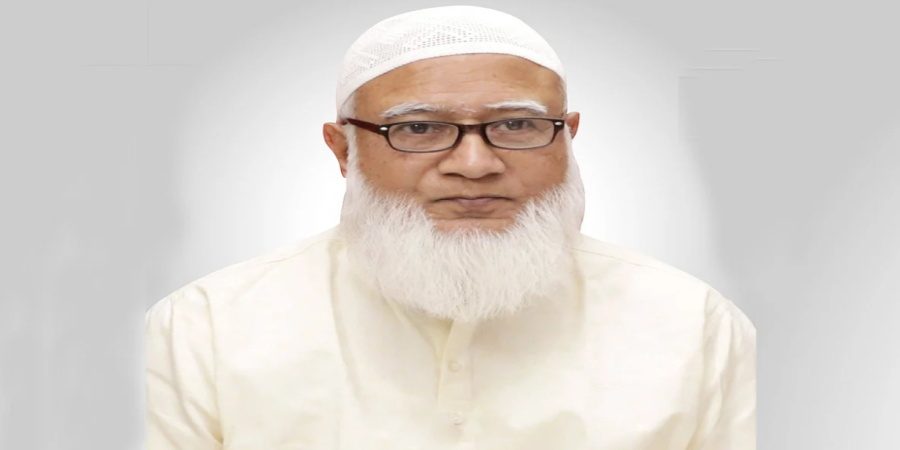
ছবি: বিরোধীদলীয় নেতা ও বাংলাদেশ জামায়াতে ইসলামীর আমির ডা. শফিকুর রহমান
The opposition leader has emphasized that media freedom is the first and foremost condition for a healthy democracy. In a statement shared early Thursday morning on his verified social media account, he argued that suppressing dissent cannot be the foundation of a democratic রাষ্ট্র; instead, welcoming diverse opinions should shape a new political culture.
He reflected on the country’s political journey over the past years, noting that both ruling and opposition forces have, at different times, experienced restrictions and repression regarding freedom of expression. According to him, this shared history should serve as a lesson for all political actors. No party remains permanently in power; today’s সরকার may become tomorrow’s opposition. Therefore, establishing institutional safeguards for free expression is in everyone’s long-term interest.
In his remarks, he underscored that freedom of the press is not merely a professional concern for journalists—it is a fundamental democratic right that benefits the entire population. An independent media ensures transparency, holds those in authority accountable, and exposes corruption and irregularities. Without such freedom, democratic structures weaken, and citizens are deprived of accurate information.
He warned against returning to what he described as darker chapters in the nation’s political history, when expressing alternative viewpoints could lead to harassment, legal pressure, or intimidation. The country, he suggested, should not revisit those times. Instead, political leaders must foster an environment where disagreement is treated as a legitimate part of democratic debate rather than an act of hostility.
The opposition leader also highlighted the importance of professional security for journalists. Investigative reporting, he said, cannot flourish in an atmosphere of fear. When reporters and editors operate under pressure, self-censorship becomes common, and the public ultimately suffers from limited or distorted information.
Beyond traditional media, he pointed to the growing role of digital platforms in shaping public discourse. Citizens today use online spaces to voice concerns, criticize policies, and engage in debate. As long as such expression remains within the bounds of law and decency, it should be protected rather than curtailed.
He concluded with a call for greater political tolerance and dialogue. Differences in ideology or policy are natural in a pluralistic society. The appropriate response to disagreement, he argued, is constructive engagement—not suppression. By strengthening respect for the rule of law and ensuring space for open discussion, the nation can reinforce its democratic foundations.
Ultimately, his message centered on a broad principle: media freedom and freedom of expression are collective national assets. Protecting them is not about benefiting one party or ideology; it is about safeguarding democracy itself.
reporter