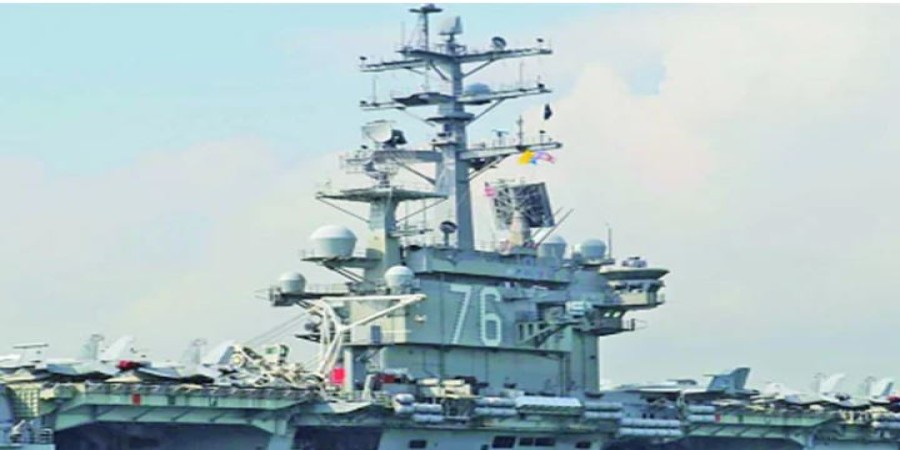
ছবি: ফাইল ছবি
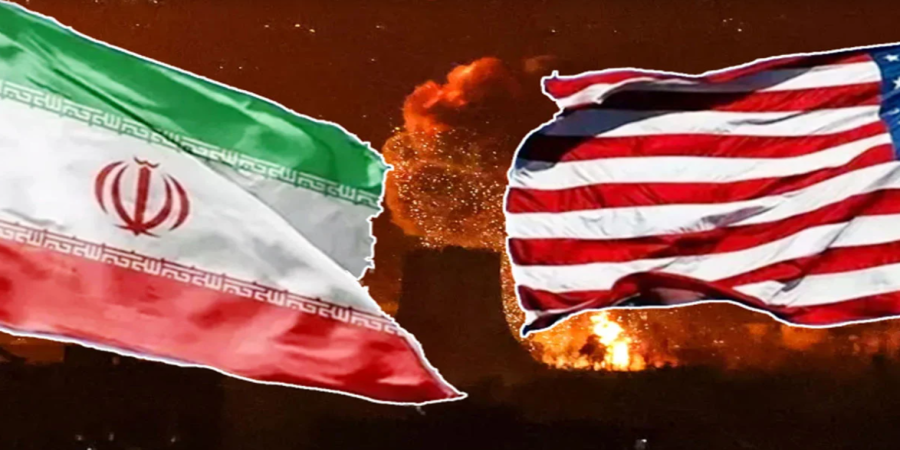
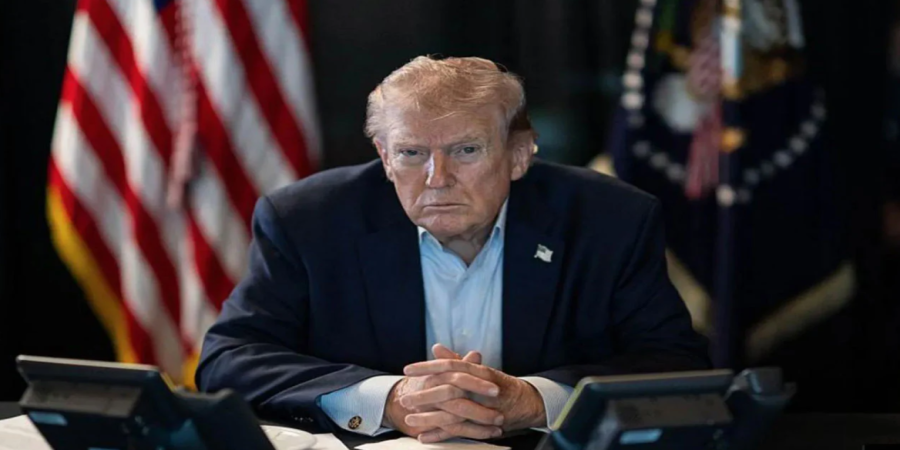
Tensions between the United States and Iran have reached a critical point, with both sides appearing increasingly prepared for potential direct confrontation. Diplomatic and defense sources indicate that American forces have finalized extensive operational preparations for possible strikes on Iranian targets. The only remaining step, according to reports, is authorization from President Donald Trump.
Military assets in the Middle East have been significantly reinforced. Additional fighter jets have been deployed, advanced airborne surveillance systems activated, and naval power strengthened in strategic waters. The concentration of aircraft carrier strike groups and long-range capabilities signals readiness for rapid action. Analysts suggest that such a scale of deployment goes beyond symbolic pressure and indicates credible preparation for targeted military operations.
At the same time, the Pentagon has reportedly begun relocating certain non-essential personnel from sensitive regional locations to reduce vulnerability in case of Iranian retaliation. While no final public announcement of military action has been made, the operational posture reflects heightened alertness and strategic calculation.
Iran, for its part, has responded with its own show of readiness. It has announced joint naval exercises with Russia in nearby waters and formally warned the United Nations that any US military action would render American bases and interests in the region legitimate targets. Iranian officials argue that escalating military pressure threatens not only regional stability but also broader international peace and security.
The United Kingdom has declined to permit the use of its airbases for potential strikes on Iran. British leadership maintains that participation in such operations could violate international legal norms and dangerously widen the conflict. Despite reported frustration in Washington, London has maintained its position.
Meanwhile, geopolitical calculations in the Gulf are shifting. Some policymakers in Saudi Arabia and United Arab Emirates are believed to support limited, targeted strikes aimed at increasing pressure on Tehran. However, diplomats caution that even a “controlled” military action could spiral into prolonged and bloody confrontation, potentially drawing in additional regional and global actors.
Negotiations surrounding Iran’s nuclear program appear stalled. Tehran remains unwilling to abandon what it considers its core rights, including uranium enrichment. Observers note that Washington may be leveraging military pressure to extract concessions at the negotiating table. Yet such brinkmanship carries significant risks. Miscalculation or unintended escalation could transform a limited strike into a multi-front conflict.
Russia’s signals of support for Iran further complicate the strategic landscape, introducing great-power rivalry into an already volatile environment. The Middle East once again stands at the intersection of competing global interests, with military posturing and diplomatic maneuvering unfolding simultaneously.
In sum, the region is in a state of acute uncertainty. Military preparations are largely complete, warnings have been issued, and global attention now turns to the White House. Should authorization be granted, the consequences would likely extend far beyond bilateral confrontation, reshaping regional alignments and impacting global stability for years to come.
reporter