ছবি: বাংলার বার্তার নিজস্ব ক্যামেরায় ধারণকৃত
The newly formed government is facing its first major challenge from day one: controlling the market for essential commodities ahead of the holy month of Ramadan. Ensuring price stability, preventing artificial shortages, and dismantling market syndicates have become urgent priorities as Ramadan approaches.
After nearly two decades, the Bangladesh Nationalist Party has returned to power following a landslide victory in the 13th national election held on February 12. The timing, however, places the new administration under immediate pressure, as Ramadan traditionally sees a spike in demand for essential goods.
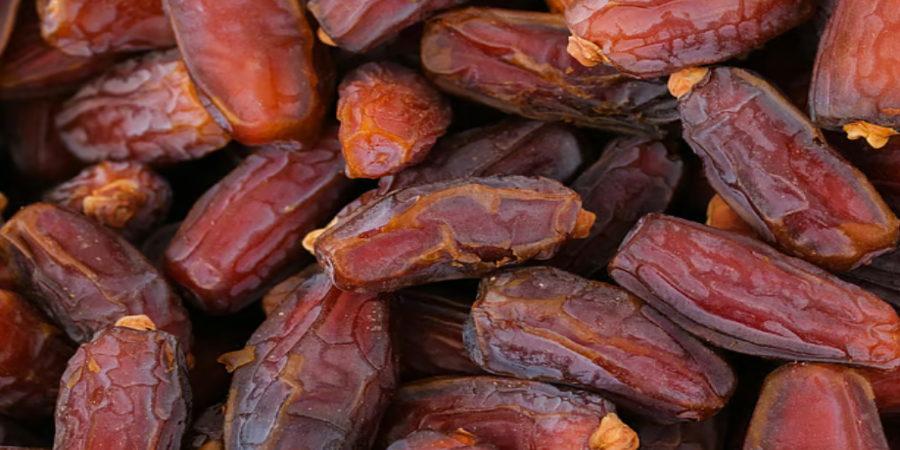
Government sources claim that advance preparations have been taken to keep the market stable. Imports of key commodities have increased by nearly 40 percent compared to last year. Stocks of Ramadan-focused items such as sugar, edible oil, lentils, chickpeas, and dates are being closely monitored to ensure uninterrupted supply.
Despite these assurances, public confidence remains fragile. Past experience shows that declarations of “adequate stock” do not always translate into stable prices at the retail level. Analysts warn that any sharp price hike at the beginning of Ramadan could quickly erode trust in the new government.
To ease pressure on low-income consumers, the government plans to expand the activities of the Trading Corporation of Bangladesh (TCB). According to the Ministry of Commerce, the number of TCB open-market truck sales will nearly double, increasing access to subsidized essentials in urban areas. However, experts caution that areas beyond the reach of TCB operations may continue to face high market prices.
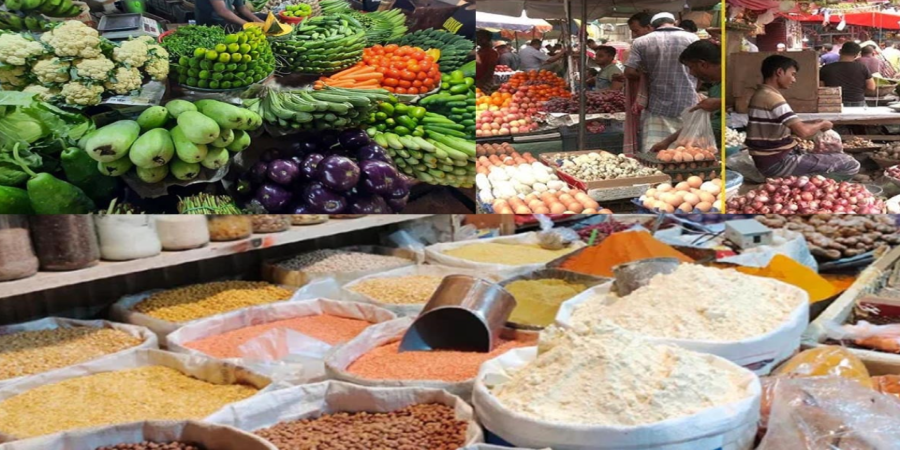
Supply chain inefficiencies remain a critical issue, particularly for perishable agricultural products. Items such as eggplant or lemons cannot be stockpiled and are heavily dependent on seasonal production and transportation. The stark price gap between farm-level prices and retail markets highlights the role of intermediaries and a lack of transparency in the supply chain.
Market analysts point out that a significant portion of Ramadan imports and stock buildup was completed during the interim government period. Therefore, any early price volatility may not be entirely attributable to the new administration. Nevertheless, maintaining price stability throughout the month will be the true measure of its performance.
The Consumers Association of Bangladesh (CAB) has emphasized the need for coordinated action. CAB President A H M Shafiquzzaman noted that while the challenge is significant, it is not insurmountable if the government prioritizes market management, transparency, and regular monitoring from the outset.
Official data suggests that Bangladesh’s annual demand for edible oil is around 2.5 million tonnes, with about 300,000 tonnes consumed during Ramadan. Authorities claim that domestic production and imports combined are sufficient to meet demand, offering similar assurances for onions, sugar, and lentils.
However, recent visits to major markets in Dhaka indicate that prices of vegetables, cooking oil, pulses, poultry, eggs, and lemons have already started rising. Economists argue that breaking syndicates, enforcing accountability, and ensuring visible enforcement actions will be crucial.
The first week of Ramadan is expected to be the real test. Smooth supply, price stability, and effective oversight will ultimately determine whether the new government can pass its first major economic challenge and restore public confidence in market governance.
reporter