ছবি: ফাইল ছবি
February 21 holds profound emotional and historical significance for Bangladesh. The Language Movement of 1952 stands as a glorious chapter in the nation’s history—one that was not merely a struggle for linguistic recognition, but a defining moment in shaping national consciousness, equality, secular values, and cultural identity. As often expressed in poetry, language is the foundation of civilization; it carries heritage, faith, emotion, and the soul of a people.
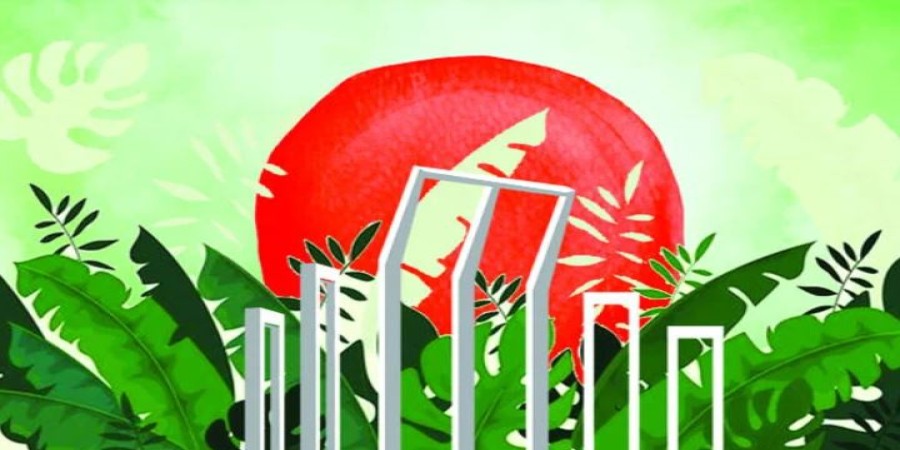
February is the month of language. With the vibrant colors of spring—shimol, palash, and krishnachura blossoms—the season itself seems to remind the nation of those who sacrificed their lives for their mother tongue. In the early hours of February 21, the national flag is flown at half-mast, and people gather at the Shaheed Minar to lay wreaths in honor of the martyrs. Soon after, streams of citizens—many walking barefoot—join processions wearing black badges, singing in unison the immortal song, “Amar Bhaiyer Rokte Rangano Ekushey February, Ami Ki Bhulite Pari” (“My brothers’ blood has stained this 21st of February—can I ever forget?”).
Salam, Rafique, Jabbar, Shafiur, and other pioneers of the Language Movement laid down their lives on the streets in defense of Bangla. Their courageous sacrifice later inspired the Liberation War and the struggle for independence. Ekushey symbolizes resilience, dignity, and the refusal to bow to injustice. The spirit born in 1952 ultimately paved the way for the nation’s independence in 1971, where millions more sacrificed their lives. Thus, February 21 represents not only linguistic rights but also the collective honor and identity of the Bengali people.
On November 17, 1999, UNESCO officially recognized February 21 as International Mother Language Day. This global acknowledgment marked a historic achievement for Bangladesh and elevated the significance of the Language Movement worldwide. The day now highlights the importance of preserving linguistic diversity and protecting endangered languages across the globe. It stands as a universal reminder that language is an essential part of cultural heritage and human rights.
The importance of February 21 extends beyond national borders. It carries universal meaning. Renowned Bangladeshi writer Humayun Azad expressed profound reflections on language and identity through his literary works. Likewise, Sheikh Mujibur Rahman made history by delivering a speech in Bangla at the United Nations, firmly establishing the dignity of the language on the international stage.
Today, Bengalis take pride in being the only nation to have sacrificed lives for the recognition of their mother tongue. The international recognition of this sacrifice has transformed a national tragedy into a global symbol of linguistic rights. Around the world, International Mother Language Day is observed through seminars, cultural events, and discussions emphasizing the importance of preserving native languages in the face of globalization and linguistic dominance.
Throughout February, cultural programs keep the spirit of Ekushey alive. Book fairs, poetry festivals, award ceremonies, discussions, recitations, music, and dance programs create a vibrant cultural atmosphere. These events inspire new generations to cherish their linguistic heritage and understand the historical struggles that shaped their identity.
Amar Ekushey is not merely a memory of the past—it is a commitment for the present and the future. Language is identity, culture, and existence itself. February 21 teaches us to stand firm against injustice and to protect our rights with courage and unity. Each year, Amar Ekushey returns as a reminder of sacrifice, dignity, and the enduring power of the mother tongue.
reporter