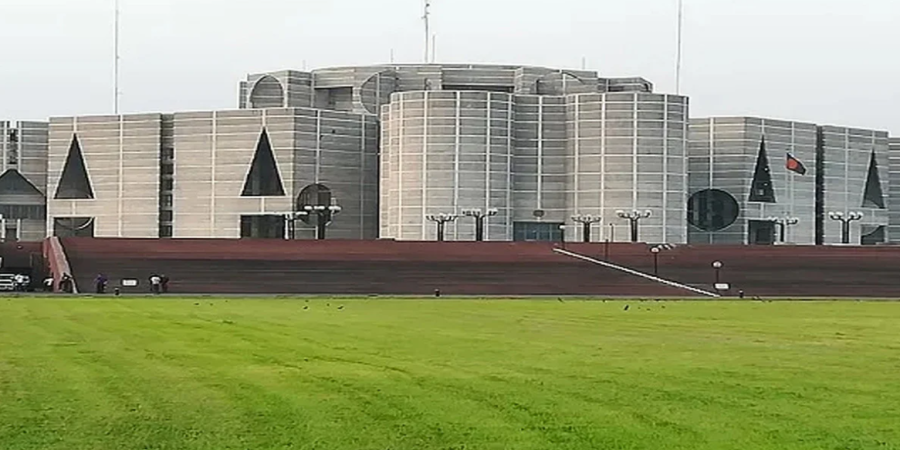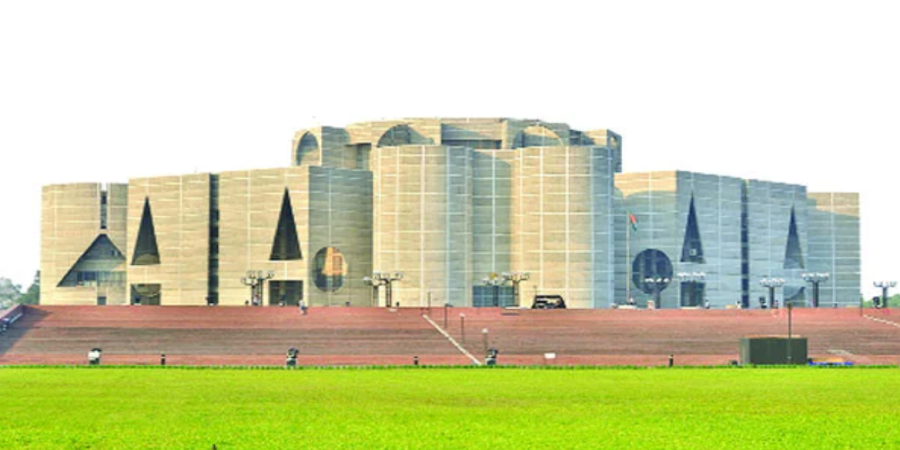
ছবি: ফাইল ছবি
Most of the 132 ordinances issued during the one-and-a-half-year tenure of the interim government may ultimately not be enacted into permanent law, meaning their final fate will be determined in the National Parliament. The first session of the current government’s parliament is scheduled to begin at 11:00 a.m. on March 12. The President has already convened the session, and the Parliamentary Secretariat has begun necessary preparations. According to relevant sources, more than fifty of the ordinances may proceed toward becoming law, while the remainder will automatically lapse under constitutional provisions. These ordinances covered a wide range of sectors, including the Election Commission, judiciary, law and order, criminal offenses, anti-corruption, money laundering, public administration, local government, revenue and budget, banking and financial sectors, digital and cyber security, human rights, and governance.
It has been learned that the BNP-led current government has adopted a strategy to avoid ordinances that conflict with its reform agenda and electoral commitments. Government insiders indicate that only those ordinances considered timely, necessary, and aligned with public interest and structural reforms will be pursued for enactment. Officials stated that each ordinance will first undergo review at the respective ministry level, where the concerned minister will assess its necessity and effectiveness in the present context. If deemed appropriate, the draft will be placed before the Cabinet for approval and subsequently introduced in Parliament as a bill. Notable among the ordinances was the 2024 Interim Government Ordinance, which defined the status, authority, and functions of the Chief Adviser and advisers. Amendments related to Bangladesh Bank, the District and Upazila Parishad (Amendment) Ordinance-2024, provisions concerning legal aid, forest conservation, and wildlife protection were also included.
Under Article 93 of the Constitution, the President may promulgate ordinances during periods when Parliament is not in session in cases of urgent necessity; however, such ordinances must be placed before Parliament and will automatically lapse if not enacted into law within 30 days of the first sitting. After the Awami League government was ousted on August 5, 2024, the interim government assumed office on August 8 and issued a total of 132 ordinances over 559 days—17 in 2024, 80 in 2025, and 35 up to February 17, 2026. On February 17, the new government led by Prime Minister তারেক রহমান was sworn in, marking the end of the interim chapter and the country’s return to a full parliamentary democratic framework. Earlier, during the 2007–2009 caretaker government period, 122 ordinances had been issued; these were later presented together in the Ninth Parliament, reviewed by a special parliamentary committee, and 54 were recommended for enactment, while the rest automatically lapsed after 30 days. Legal experts note that ordinances are inherently temporary laws and lack permanence without parliamentary approval. Therefore, the March 12 session is significant not only as a legislative formality but also as a decisive forum for reviewing and determining the policy directions adopted during the interim period.
reporter