ছবি: ফাইল ছবি
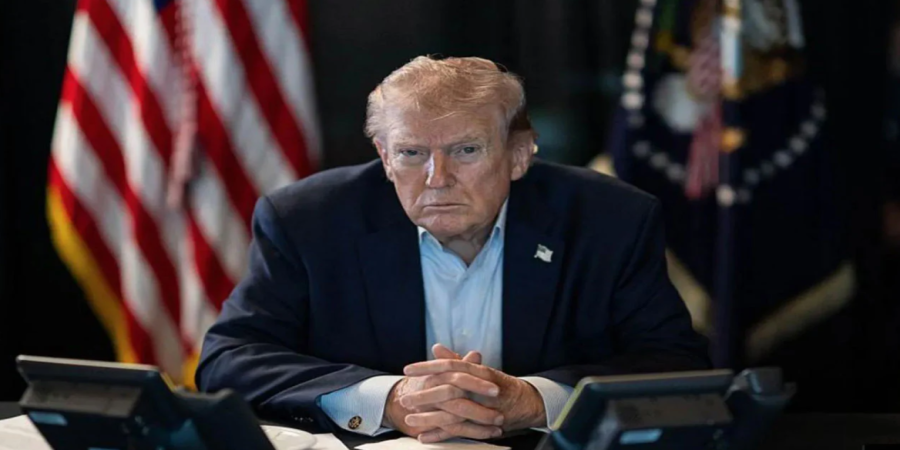
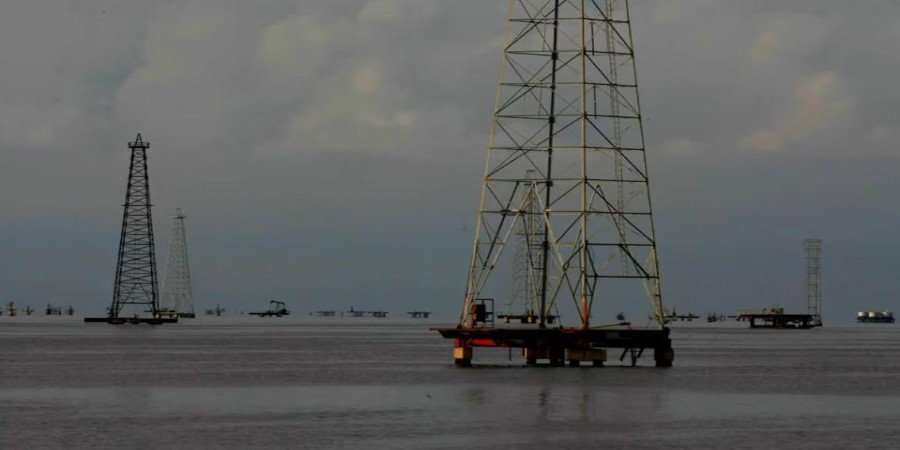
Venezuela’s newly announced $2-billion agreement to export crude oil to the United States marks a striking shift in global energy dynamics and signals a rare moment of cooperation between two countries long entangled in sanctions, political hostility and power struggles. Following President Donald Trump’s declaration, global oil markets reacted immediately as analysts began framing the deal as a potential turning point for Venezuela’s crippled economy, which has suffered from years of sanctions, declining production and restricted access to international markets. For weeks, millions of barrels of Venezuelan crude remained stranded in tankers and storage facilities due to U.S. export blocks, forcing the country to cut production and stalling vital revenue streams. Under the new arrangement, between 30 and 50 million barrels of previously sanctioned oil will be redirected to the United States at market price, with funds placed under U.S. presidential oversight and designated for the welfare of citizens of both nations. The shipments will head directly to American ports, managed by the U.S. Energy Secretary, while U.S.-based companies—particularly Chevron—stand to gain expanded influence across Venezuela’s vast oil fields. Experts suggest that the increased flow of heavy Venezuelan crude will ease pressure on U.S. Gulf Coast refineries, lower domestic oil prices and bring stability to a volatile market. Yet the agreement carries profound geopolitical undertones: coming in the aftermath of escalating tensions and the detention of Nicolás Maduro, many view it as part of a broader U.S. strategy to reshape influence in the region while positioning itself more aggressively within global energy politics. Even so, for Venezuela, this may represent a rare opportunity to revive its struggling economy, re-enter global supply chains and reassert the significance of its massive petroleum reserves in the international marketplace.
reporter