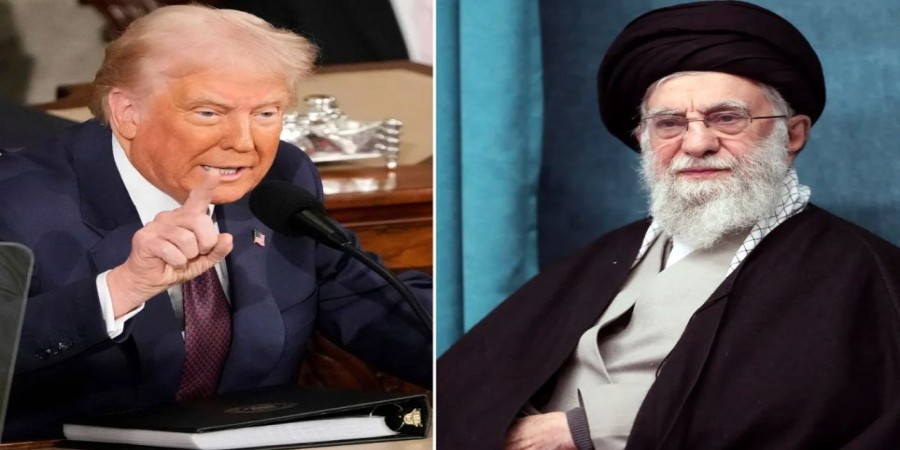
ছবি: ফাইল ছবিতে মার্কিন প্রেসিডেন্ট ডোনাল্ড ট্রাম্প ও ইরানের সর্বোচ্চ নেতা আয়াতুল্লাহ আলি খামেনি
Amid rising unrest and mounting economic turmoil inside Iran, a controversial warning by a U.S. senator has sparked intense global debate, suggesting that President Donald Trump would be willing to assassinate Iran’s Supreme Leader Ayatollah Ali Khamenei if necessary to protect the Iranian people. The statement comes at a moment when anti-government demonstrations fueled by inflation, unemployment, and political frustration are spreading across Iran, drawing harsh crackdowns and accusations of human rights violations. Analysts argue that the crisis has the potential to reshape Middle Eastern geopolitics, where strategic control over oil, military influence, and regional power alignments are already under pressure. Washington’s increasingly assertive posture indicates that the U.S. sees potential change in Iran not merely as a domestic upheaval but as a transformation with far-reaching implications for the broader Middle East, possibly altering security alliances and economic interests for years to come. Meanwhile, the protest movements highlight deep discontent among Iranian citizens, presenting a significant challenge to the country's leadership as they attempt to balance internal authority, international perception, and survival of the political establishment. The senator’s remarks, viewed by critics as escalatory and reckless, have added fuel to the ongoing confrontation between Tehran and Washington, raising concerns about further diplomatic collapse or even direct conflict. With human rights organizations issuing warnings, world powers recalculating their positions, and the U.S. signaling “severe consequences” if further violence occurs against civilians, the situation remains fluid and unpredictable. As the crisis unfolds, policymakers and analysts alike warn that the future of Iran’s leadership and the stability of the region may hinge on how these delicate power dynamics evolve in the coming months.
reporter