ছবি: -Collected Photo
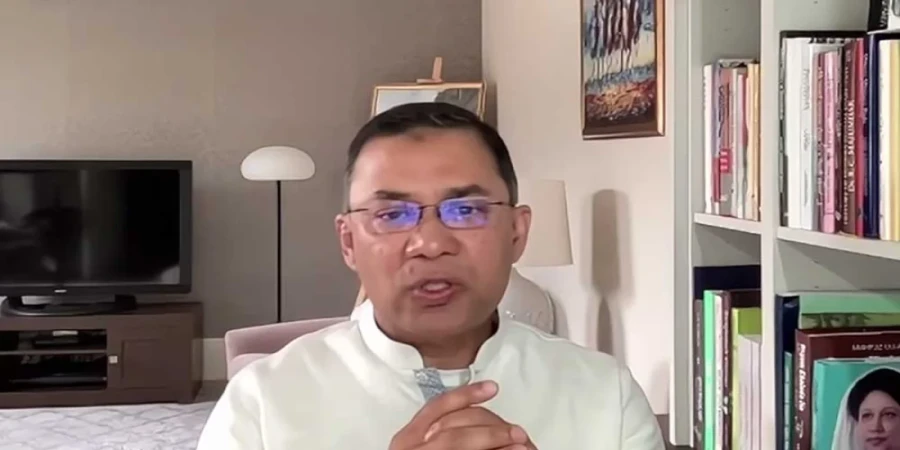
BNP’s acting chairman Tarique Rahman has reiterated his party’s commitment to building an inclusive and secure Bangladesh by ensuring equal participation of all ethnic communities. Addressing representatives from 34 minority groups across 12 districts, including Mymensingh, through a virtual conference on Saturday, August 30, he emphasized that BNP envisions a nation where both Bengalis and non-Bengalis coexist in harmony, united by diversity.
In his speech, Tarique Rahman stated that Bangladesh does not solely belong to Bengalis but to all ethnic communities who reside legally within its borders. He stressed that BNP is determined to safeguard the rights of every citizen, whether they live in the hills or plains, and highlighted that the party has ensured representation of minority communities in its various committees to reflect this commitment. According to him, inclusivity is not just a slogan but a principle on which the party seeks to build a future Bangladesh.
Tarique further reminded the audience that the roadmap for the upcoming national election has already been announced for February. He urged minority groups to extend their cooperation in BNP’s efforts to establish a safe and just Bangladesh. To support this vision, he pointed to BNP’s 31-point development outline designed specifically for the welfare of communities living in both the hills and plains. This roadmap, he noted, addresses the socioeconomic and cultural concerns of marginalized groups, promising a balanced and equitable approach to development.
Highlighting the importance of diversity, Tarique stressed that national unity lies in embracing cultural differences rather than suppressing them. He noted that building an inclusive state is essential for social stability and national progress. By fostering harmony among all ethnic communities, he argued, Bangladesh could transform into a nation that thrives on respect, justice, and equality.
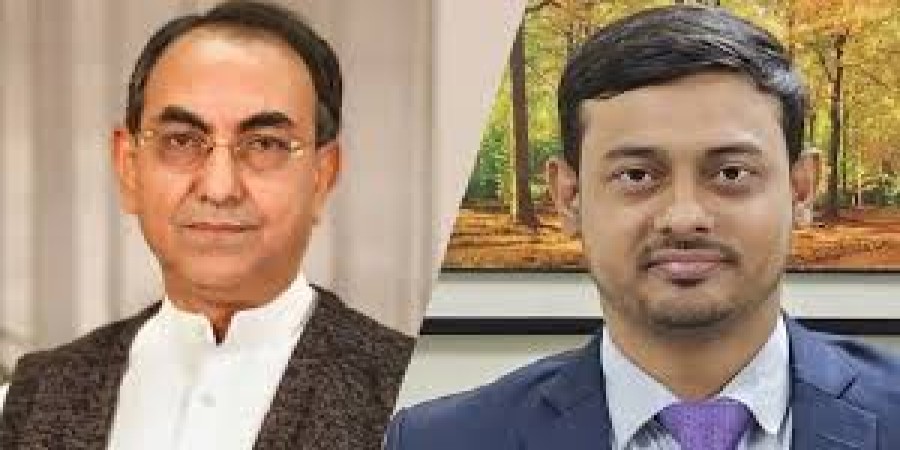
During the same event, BNP Secretary General Mirza Fakhrul Islam Alamgir also addressed the gathering. He criticized what he termed the “oppressive rule of a monstrous government” and argued that Bangladesh now stands at a turning point where the nation has the opportunity to rebuild itself through democratic transformation. According to Fakhrul, the fall of autocratic practices would pave the way for establishing equal rights for every citizen regardless of ethnicity, religion, or cultural background.
Fakhrul reiterated that no one should be labeled a minority, since all citizens are equal members of the state. He pledged that BNP’s vision for the future is rooted in the principle of equal rights, dignity, and justice for everyone. He argued that only through the recognition of this equality could the country move toward becoming a genuine democracy that reflects the aspirations of its people.
The conference brought together representatives of minority groups from districts across the country, allowing them to share their perspectives and concerns directly with BNP’s central leadership. Many participants expressed hopes that a change in political direction could lead to better representation, more opportunities, and greater security for their communities. BNP leaders, in response, reaffirmed that their party’s policies would ensure both political inclusion and developmental progress for all ethnic groups.
Tarique Rahman’s remarks come at a time when political debates around inclusivity, rights, and democratic reforms are intensifying ahead of the national election. His emphasis on involving ethnic communities in both decision-making and development underscores BNP’s attempt to broaden its appeal and strengthen its grassroots connections.
By highlighting the 31-point outline for hill and plain development, Tarique sought to demonstrate that BNP has a concrete plan rather than mere promises. While the details of the outline were not discussed extensively during the virtual event, party leaders stressed that it covers areas such as infrastructure development, education, healthcare, cultural preservation, and local governance reforms for marginalized populations.
The BNP’s leadership repeatedly underscored that building an inclusive society requires structural changes in how communities are treated within political, administrative, and social frameworks. They pledged that under BNP’s leadership, marginalized voices would be heard, and policies would be shaped in consultation with those directly affected.
As the event concluded, both Tarique Rahman and Mirza Fakhrul Islam Alamgir called upon all participants to continue working together for a vision of Bangladesh where every citizen, regardless of their background, has equal opportunities and equal rights. They portrayed this vision as a path toward stability, justice, and prosperity.
The renewed commitment to inclusivity by BNP’s top leadership has been seen as a strategic move to consolidate support from ethnic communities, many of whom have long voiced grievances about neglect and underrepresentation in mainstream politics. By emphasizing unity in diversity, BNP is positioning itself as a party that seeks to represent the collective aspirations of the nation rather than just a majority group.
In the broader political context, Tarique Rahman’s address signals BNP’s effort to set itself apart from the ruling establishment by portraying itself as the voice of all citizens, especially those historically marginalized. Whether this message translates into tangible political support remains to be seen in the run-up to the February election, but the party has made clear its intention to weave inclusivity into its national agenda.
The virtual conference ended with a call for continued solidarity and cooperation among all communities in Bangladesh. BNP leaders insisted that only by working together could the dream of an inclusive, democratic, and safe Bangladesh be achieved
reporter