ছবি: ফাইল ছবি
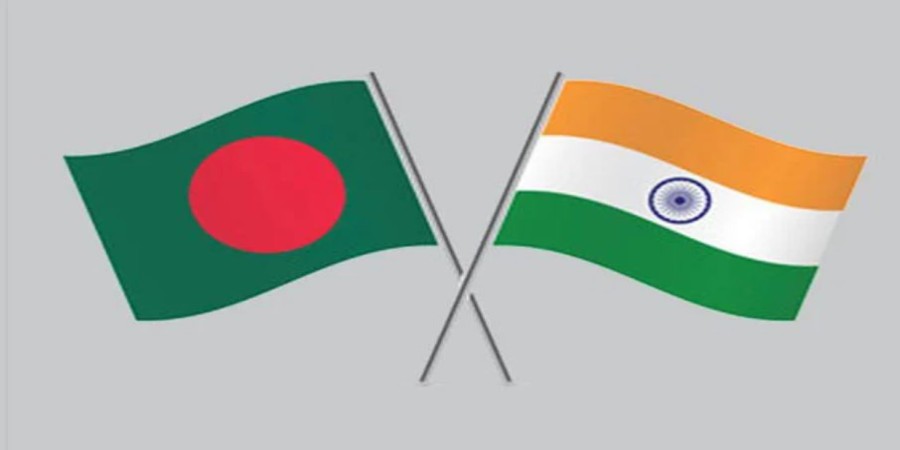
Relations between Bangladesh and India have entered one of the most complex and sensitive phases since independence, particularly following the political transition of 5 August 2024, which has created a visible diplomatic distance between the two neighboring countries. Regular push-ins along the border, sustained anti-Bangladesh narratives in sections of Indian media, politically charged statements breaching diplomatic norms, allegations of accused criminals fleeing to India, and reciprocal diplomatic summons have collectively intensified tensions. The naming of a road as “Felani Avenue” on Victory Day, announcements of protests surrounding diplomatic missions, attacks on embassies and visa centers, suspension of visa and consular services, and disputes related to minority issues have further deepened mistrust. In addition, the continued presence of deposed former Prime Minister Sheikh Hasina in India and New Delhi’s refusal to extradite her have added another layer of strain to bilateral relations. Although diplomatic communication remains active at various levels, normalization has yet to take place, and analysts believe that a significant improvement is unlikely before the formation of an elected government, making cautious engagement and minimum diplomatic cooperation essential to prevent long-term damage to regional stability.
reporter