ছবি: Photo: Collected
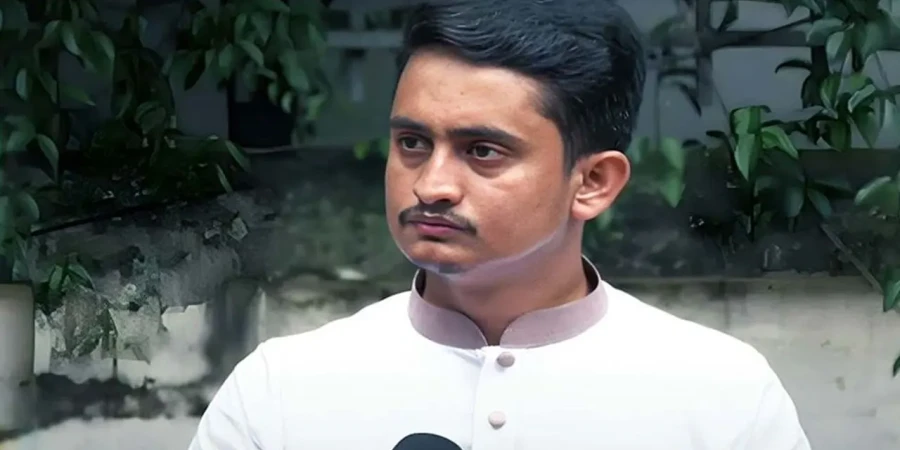
Following the devastating plane crash at Milestone School and College in Uttara, which left many—mostly children—severely burned and hospitalized, political leaders and their followers have begun visiting the hospitals to express their sympathy. However, this practice has drawn criticism from health professionals and civic leaders alike, citing risks to patient safety. On Monday (July 21), Sargis Alam, Chief Organizer (Northern Region) of the National Citizens Party (NCP), issued a public appeal via his verified Facebook page, urging politicians to immediately stop these hospital visits, especially when accompanied by large groups.
In his post, Sargis emphasized that while some political figures may have good intentions, the presence of entourages, media crews, and supporters at sensitive hospital units can create more harm than help. “You might not realize,” he wrote, “but your visit—however well-intended—could indirectly cause someone's death.”
In the comments, he elaborated further, stating that the influx of political groups to burn wards often causes traffic congestion, blocks emergency access points, and delays the arrival of doctors, nurses, blood donors, or volunteers. “Even a minute's delay can cost a life,” he warned, highlighting how crucial timely medical intervention is for burn victims.
He also explained the heightened vulnerability of burn patients to infections. “Unlike healthy individuals whose skin provides natural protection,” Sargis wrote, “burn patients have exposed tissue that is highly susceptible to bacterial contamination.” He pointed out that infections in such cases can escalate rapidly, potentially leading to multisystem organ failure and death.
Hospital environments, particularly in densely populated countries like Bangladesh, are not always equipped with ideal infection control measures. In such contexts, unnecessary visits—even by high-profile individuals—pose significant risks to patient safety. The added presence of VIP entourages, media coverage, and curious onlookers further compromises the sterile environment needed in burn units.
“Protecting patients from complications is one of the greatest challenges in burn treatment,” Sargis continued. “This is even more critical now, as most of the victims are children aged between 7 and 15.” He urged political leaders to set an example by refraining from hospital visits that do not directly contribute to the care or support of the injured.
“Even if you lose a bit of political mileage by not visiting today,” he said, “you’ll still stand tall as a responsible human being.”
His appeal has since resonated with many on social media, where users echoed the call for more responsible, health-conscious behavior during such sensitive times. While public empathy is valuable, Sargis Alam’s message reminds everyone that compassion must be paired with wisdom—especially in situations where lives hang in the balance.
reporter