ছবি: Photo: Collected
Government forces reclaim control amid deadly clashes between Druze and Bedouin fighters; regional tensions escalate with Israeli airstrikes
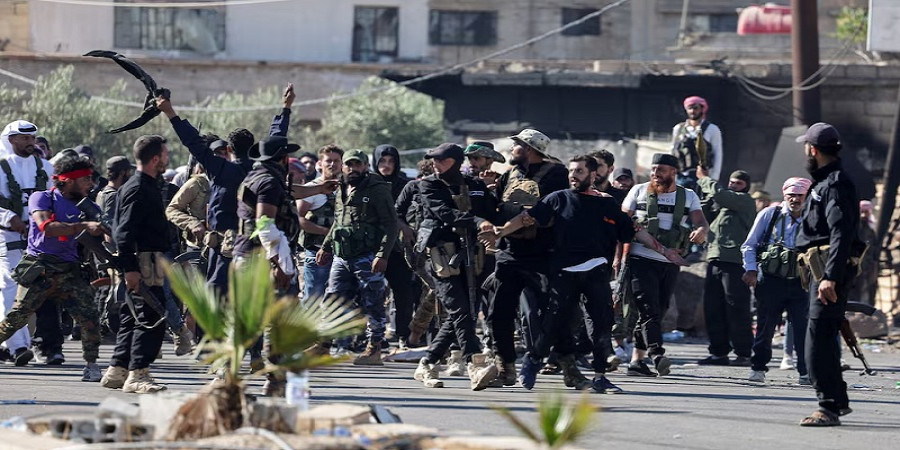
Widespread sectarian violence has engulfed Syria’s southern city of Sweida, resulting in nearly a thousand deaths over the past week despite attempts at implementing a ceasefire. The situation remains volatile as government forces re-entered the area in an effort to reassert control following intense fighting between the Druze community and Syrian Bedouins.
On Saturday night, Syria’s Ministry of Interior announced that government troops had successfully regained control of Sweida after displacing armed Bedouin factions. However, eyewitnesses reported that mortar shelling continued throughout the day in the city and surrounding villages, undermining the government’s claim of restored stability.
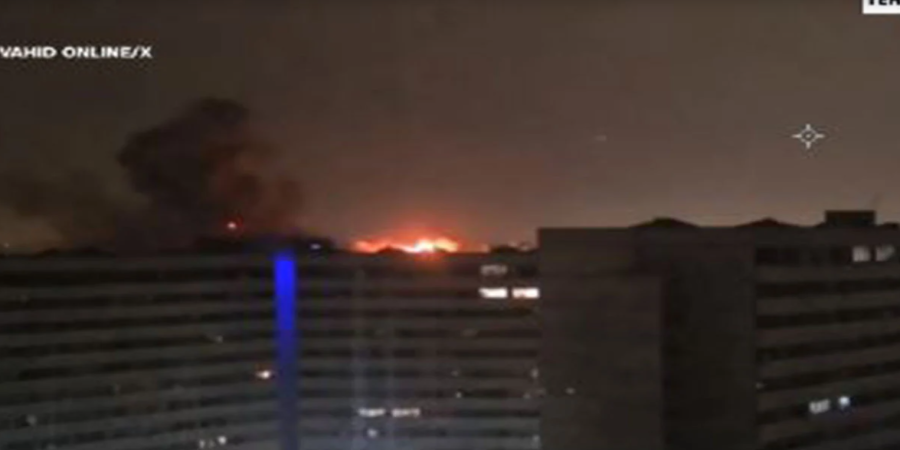
Medical staff on the ground, including Dr. Omar Obeid working in a local Sweida hospital, confirmed that the facility has been overwhelmed by casualties. Many of the injured suffered from severe shrapnel wounds to their chests, limbs, and other parts of the body, following repeated bombings in residential areas.
According to the UK-based Syrian Observatory for Human Rights, the clashes that erupted between the Druze and Bedouin communities have left at least 940 people dead over the past week. The situation spiraled further out of control when government forces intervened, initially to de-escalate the tensions, but ultimately became engaged in direct conflict with Druze fighters.
The outbreak of violence reportedly began last week with local disputes between the two communities but quickly evolved into a broader conflict drawing in state forces. Efforts to establish a truce were short-lived, with continuous sounds of machine gun fire and mortar blasts reverberating across the city, leaving residents trapped and terrified.
Syria’s interim president, Ahmed al-Shara, addressed the nation in a televised statement on Saturday, placing blame on Israeli interference for destabilizing the region. He accused Druze fighters of retaliatory attacks against Bedouin communities and warned that foreign involvement was inflaming internal divisions.
In a separate development, Israeli airstrikes targeted southern Syria and the capital Damascus earlier this week. Israeli officials stated the strikes were aimed at protecting the Israeli Druze population and deterring threats emanating from the region. These attacks have further complicated the already fragile situation.
The United States, meanwhile, reiterated its support for the current Syrian government under al-Shara, calling for the creation of a unified and safe Syria that guarantees protection for all its communities. However, international observers remain skeptical about the government's ability to manage the escalating sectarian tensions.
In response to the unfolding crisis, Israeli Foreign Minister Gideon Sa’ar criticized President al-Shara’s administration, claiming that minorities—including Kurds, Druze, Alawites, and Christians—face increasing threats under his rule. He warned that Syria’s internal dynamics have become dangerously unbalanced and that the situation poses a serious risk to regional stability.
The ongoing bloodshed in Sweida reflects a broader deterioration of security and governance in post-war Syria, where unresolved ethnic and religious tensions continue to erupt despite years of civil conflict. With major international powers taking sides and the Syrian government’s control remaining tenuous, prospects for peace appear increasingly bleak.
As shelling continues and hospitals reach capacity, humanitarian organizations have called for urgent international intervention to prevent further loss of life and ensure the protection of civilians caught in the crossfire. However, with the ceasefire in collapse and foreign military activity escalating, a peaceful resolution to the crisis in Sweida remains uncertain.
reporter