ছবি: -Collected Photo
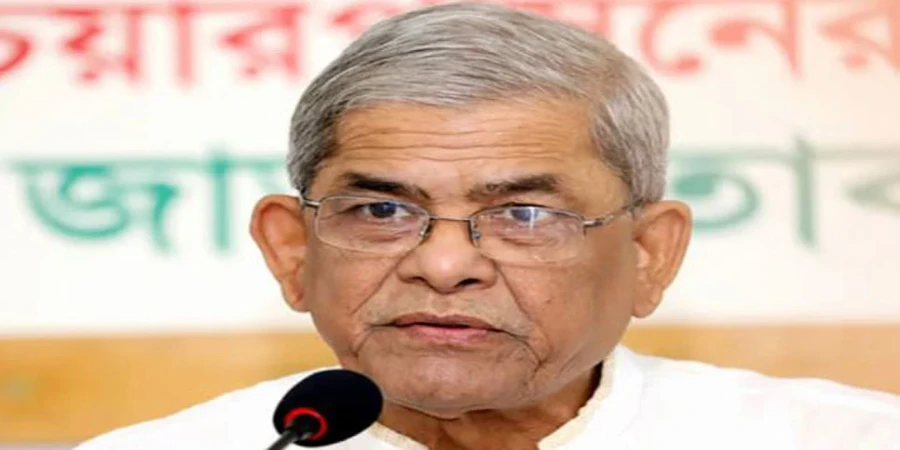
BNP Secretary General Mirza Fakhrul Islam Alamgir has said that the proportional representation (PR) system cannot fully guarantee the rights of the people. He made the comment upon returning to Dhaka on Tuesday after receiving medical treatment in Thailand.
Speaking to journalists at the airport, Fakhrul emphasized that the PR system, as discussed in recent political debates, would not be sufficient to address the democratic aspirations of the people. He argued that the only way to overcome the ongoing political crisis in Bangladesh is through an acceptable national election that reflects the will of the voters.
The BNP leader reiterated that meaningful political stability cannot be restored without ensuring a credible electoral process. According to him, the implementation of PR-based parliamentary structures would not resolve the deeper issues facing Bangladesh’s democracy. Instead, he insisted that reforms must center on ensuring free, fair, and participatory elections that earn public trust.
Fakhrul’s remarks come at a time when the July Charter and various reform proposals are being widely discussed among political parties and civil society groups. The PR system, which allows representation in parliament based on the proportion of votes received, has been presented by some as a mechanism to ensure inclusiveness. However, the BNP has expressed reservations, arguing that such measures may undermine direct accountability between elected representatives and their constituents.
Upon his return from abroad, Fakhrul pointed to the importance of regaining the people’s confidence in politics. He said that restoring this trust requires not alternative systems like PR, but an electoral framework that is universally recognized as free from manipulation and external influence.
In his statement, Fakhrul also stressed that the political crisis in Bangladesh has persisted due to repeated failures to hold elections that all major parties accept as legitimate. He warned that continuing on the current path without addressing this core issue could further erode public faith in democratic institutions.
The BNP has consistently maintained that establishing a neutral and credible election process is essential for ensuring democratic rights. Fakhrul’s comments reaffirmed the party’s stance that without such a process, any alternative proposals or systems would fall short of resolving the underlying crisis.
His remarks are expected to fuel further debate over whether Bangladesh should explore electoral reforms such as proportional representation, or prioritize restoring confidence in the traditional system through institutional and political safeguards. Political observers note that while PR can create opportunities for smaller parties, it does not necessarily guarantee greater public participation or accountability, which remain central demands of the BNP.
Fakhrul’s return also comes ahead of the BNP’s planned political activities and consultations regarding the July Charter. The party has previously highlighted its dissent on several issues within the draft charter, particularly those concerning electoral reforms and the role of caretaker arrangements. His latest statement reinforces BNP’s call for prioritizing credible elections over experimental systems.
As the political landscape intensifies ahead of the next national polls, BNP’s position is likely to place pressure on both ruling authorities and other political actors engaged in the reform discussions. The debate over PR versus traditional systems may continue, but for BNP, the focus remains firmly on establishing what it describes as an acceptable election as the only viable path out of the ongoing political crisis.
reporter