ছবি: ফাইল ছবি
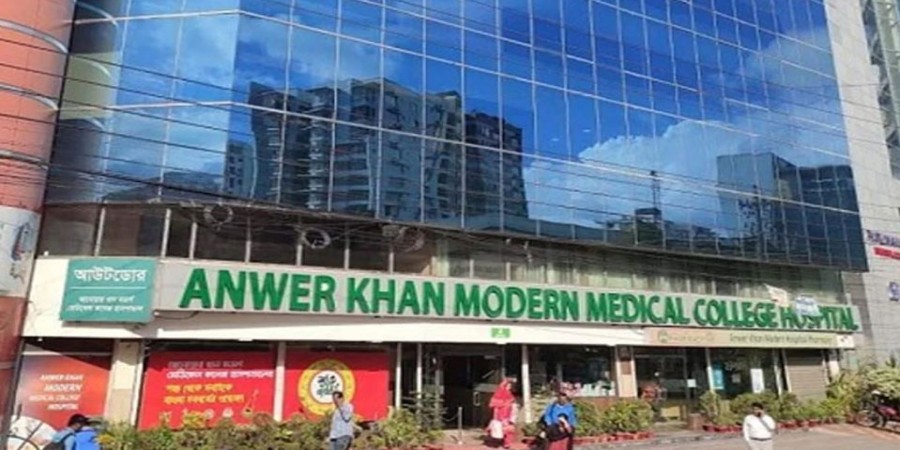
Anwar Khan Modern Medical College Hospital has been at the center of prolonged criticism and allegations involving irregularities in medical services, administrative operations, and medical education. Patients and relatives report that despite comparatively high treatment and admission fees, the quality of service often fails to meet expected standards. The hospital canteen has been accused of serving substandard meals containing insects and spoiled ingredients, while repeated complaints reportedly result in little meaningful action. Patients argue that such food is unhygienic even for healthy individuals, posing greater risks for hospitalized patients, many of whom are already in vulnerable health conditions.
Employees, including doctors, nurses, and healthcare workers, have voiced concerns—mostly anonymously—about delayed salaries, uncertain job conditions, and a demoralizing work environment. Reports suggest that staff often go months without regular payment, leading many to fear speaking publicly due to potential retaliatory actions or employment termination. Observers argue that an unstable workforce inevitably compromises the quality of patient care, as healthcare professionals struggle to stay motivated amid financial insecurity.
The medical college associated with the hospital faces a separate but related set of criticisms. Regulatory guidelines require adequate numbers of qualified faculty members, laboratory facilities, classrooms, museum equipment, and library resources to support academic and clinical training. However, allegations indicate persistent shortages across these areas, resulting in an environment where students struggle to receive the level of training expected from a medical institution. Further concerns have been raised about the expansion of student seat capacity without adhering to approval processes or maintaining the mandatory land ownership requirements stipulated by regulators. The library reportedly lacks sufficient textbooks and seating capacity, while the museum and laboratory resources fail to meet standards for high-quality medical education.
Critics point to political influence, institutional immunity, and a lack of regulatory enforcement as reasons why such irregularities have continued over time without substantial corrective intervention. Financial transparency has also been questioned, with claims involving large bank loans, asset accumulation, and possible capital flight contributing to public skepticism regarding the institution’s priorities. Health experts argue that prioritizing commercial gains over essential service and education undermines not only patient welfare and student development but also the broader healthcare ecosystem. Consequently, demands have grown for stricter oversight, stronger accountability, and regulatory intervention to ensure that medical institutions operate in alignment with public health and educational standards rather than purely commercial interests.
reporter