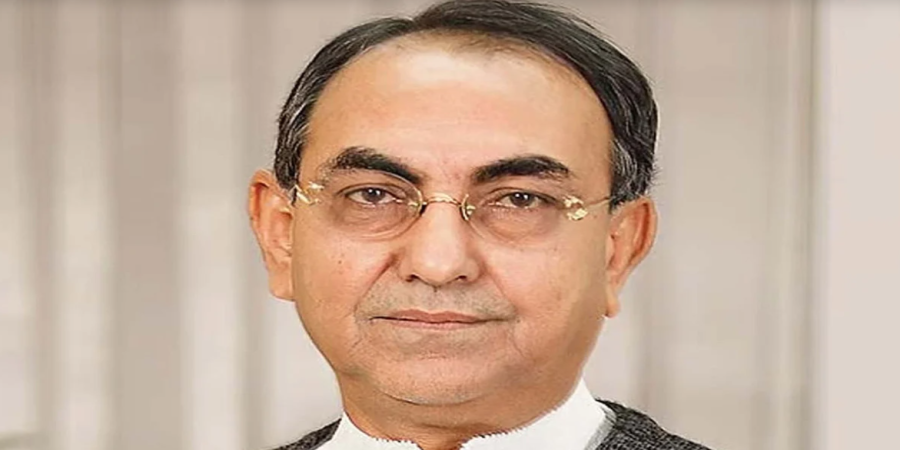
ছবি: -Collected Photo
Dhaka — Legal affairs advisor Dr. Asif Nazrul has called upon owners of private hospitals, clinics, and diagnostic centers in Bangladesh to take responsibility for improving the country’s healthcare system so that patients no longer feel compelled to travel abroad for treatment. He emphasized that with proper service and ethical practices, the multi-billion-dollar healthcare market currently lost to foreign hospitals could be retained within Bangladesh for the benefit of both patients and service providers.
Speaking at the inauguration and annual general meeting of the newly elected executive committee of the Bangladesh Private Hospital, Clinic, and Diagnostic Owners Association, held at the Shaheed Abu Sayeed International Convention Center on Saturday, Dr. Nazrul raised serious concerns about malpractice and negligence in the country’s healthcare sector.
He pointed out that despite having the resources and expertise, private healthcare institutions in Bangladesh have failed to build public trust. “According to your own estimation, the healthcare sector has a market worth four to five billion dollars. Why are you not able to capture this market? Why do people prefer going to India or Bangkok for treatment, even those who have never visited Dhaka in their lives? They go because they are frustrated and helpless. If proper services are provided here, there would be no reason for people to travel abroad,” he said.
Dr. Nazrul reminded the owners that capturing this market would not only bring profit to their institutions but also save significant amounts of foreign currency for the country. He criticized the practice of unnecessary medical testing, citing a personal example where a poor household worker was prescribed 14 different tests by a hospital in Dhaka. The patient, disheartened by the financial burden, abandoned the hospital and later recovered without undergoing the tests, thanks to advice from a familiar doctor elsewhere. “This kind of oppression is still going on. Unnecessary tests imposed on poor patients must come to an end,” he asserted.
He further questioned the practice of pushing patients toward specific medicines. “Why is it that patients are forced to buy only certain prescribed drugs? In many private clinics, pharmaceutical company representatives are allotted fixed times to meet doctors. Does this mean doctors in our country’s big hospitals are acting as middlemen for drug companies? Why are you reducing your dignity to this level?” he asked.
Highlighting another area of concern, Dr. Nazrul spoke about the reliability of diagnostic test results. While acknowledging that some institutions deliver quality reports, he criticized others for inaccurate results, which he described as a “general and heartbreaking complaint.” He also drew attention to the behavior of nurses and hospital staff, noting widespread dissatisfaction among patients regarding their attitude.
According to him, this negative behavior stems from low wages and poor working conditions. “Nurses are often paid only 12,000 taka. How can you expect them to deliver quality service under such circumstances? Many of you are hospital owners with luxurious mansions worth crores. Yet you cannot ensure a decent salary for your nurses? If a nurse earns only 12,000 taka, will she not remain frustrated? Will she have the motivation to provide compassionate care?” he asked, pointing out the imbalance between the profits of hospital owners and the poor conditions of their employees.
Dr. Nazrul urged owners to act fairly and responsibly. “You make huge profits, but make them in a just manner. Patients should not suffer, and workers should not be deprived. This sector has the potential to provide services comparable to international standards if only the management and owners take these issues seriously.”
He reminded the audience of the dedication shown by medical professionals during the COVID-19 pandemic. “During that crisis, you proved your ability. Many risked their lives and sacrificed for patients. So why is it difficult now to provide consistent and ethical service?” he asked.
He also argued that improving salaries and working conditions would not substantially harm hospital profits. “If you make 100 crore taka in profit, even a 10 percent reduction will not hurt you. That 10 percent, if used to increase staff salaries, will come back to you in the form of better service. The satisfaction and dedication of your employees will more than compensate for the reduced margin,” he explained.
Dr. Nazrul noted that patients do not inherently want to travel abroad for medical care. “No one desires to leave their country for treatment. People would rather stay in Bangladesh if they trusted the quality and fairness of services here. Your institutions have the capacity to meet that demand. The choice is yours: either continue losing patients and revenue to foreign hospitals or reform your system and retain them here.”
He reiterated that private healthcare owners stand at a crucial point where they can transform the country’s health sector. By investing in fair wages, ensuring ethical medical practices, ending unnecessary testing, and breaking ties with pharmaceutical company influence, they can restore trust among patients and achieve both profitability and national benefit.
The event was attended by hospital and clinic owners from across the country, alongside healthcare professionals and stakeholders in the diagnostic industry. The discussion highlighted the urgent need for reform in private healthcare, which has often been criticized for prioritizing profit over patient welfare.
As Dr. Nazrul concluded, he left a strong message for the association: “You have shown what you are capable of in times of crisis. Now it is time to show responsibility in times of stability. By correcting these issues, you will not only secure your profits but also serve the people of Bangladesh and save the nation from the unnecessary outflow of billions of dollars every year.”
reporter