ছবি: Photo: Collected
Akhtar Hossain claims BNP and allied parties obstruct agreement on proportional representation in upper house
National Citizen Party (NCP) Member Secretary Akhtar Hossain has stated that his party will not compromise on the issue of fundamental reforms, accusing the Bangladesh Nationalist Party (BNP) of creating obstacles to the national consensus process.
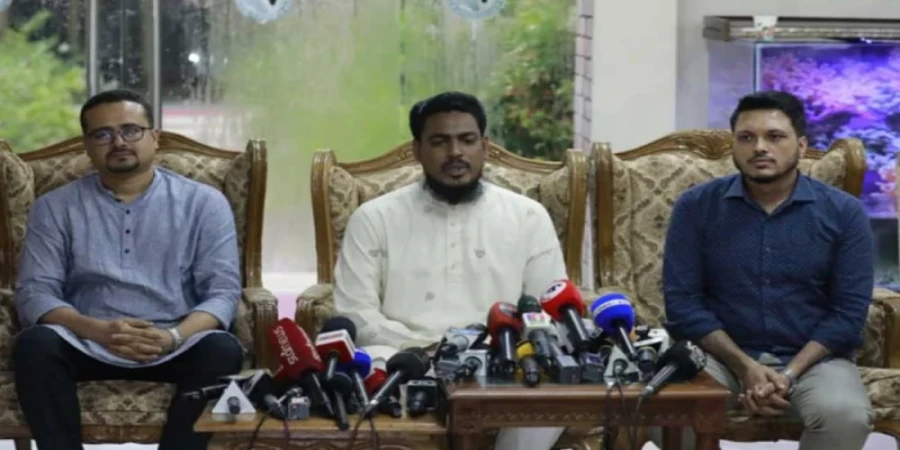
Speaking on Monday, July 15, following the 14th day of the second round of discussions at the National Consensus Commission, Akhtar Hossain said that while most parties have agreed on proportional representation (PR) for seat allocation in the upper house, BNP and several allied groups oppose it. According to him, this opposition is disrupting the reform dialogue.
Akhtar remarked that BNP and some others are deliberately keeping PR-related issues outside the scope of reform discussions, undermining the broader consensus efforts. He indicated that this tendency is creating an environment where essential reforms are being sidelined.
He further explained that if the upper house adopts the PR system, any party securing at least one percent of the vote would gain representation. From NCP’s perspective, this would institutionalize multi-party democracy and promote a more inclusive political structure.
Akhtar emphasized that NCP views elections to the upper house through proportional representation as an inseparable part of fundamental reforms.
Using a metaphor to describe the situation, he said the state is currently functioning like a broken leg. “BNP has applied a bandage,” he said, “they have poured Savlon on it, but the real solution—setting the bone properly—is being avoided. BNP insists that the bandage and Savlon are enough, but we believe the bone must be fixed as well.”
The NCP’s criticism points to a deeper political divide within the reform commission’s dialogue. While a majority of parties appear aligned on introducing proportional representation as part of a multi-layered reform agenda, BNP’s reluctance is slowing progress toward national consensus.
Akhtar Hossain reiterated NCP’s firm stance, saying that without these reforms, any consensus would be incomplete. The discussions at the National Consensus Commission are expected to continue, though it remains uncertain whether common ground can be achieved among all participating parties.
reporter