ছবি: -Collected Photo
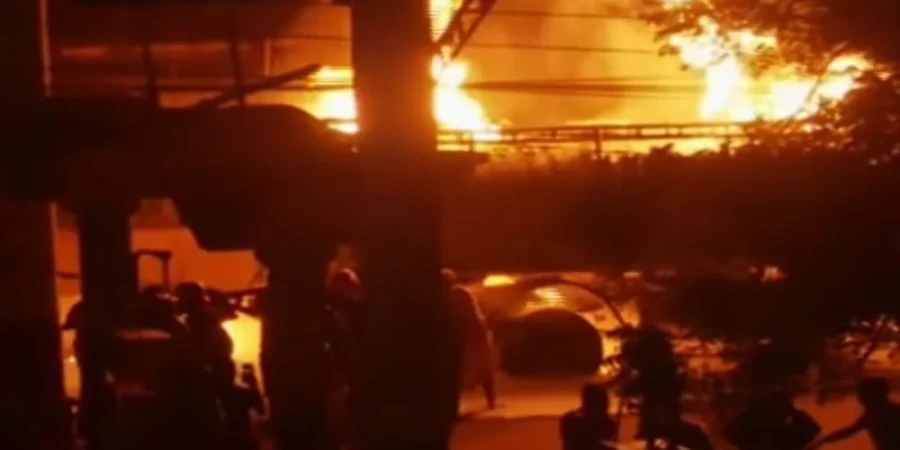
A devastating fire broke out at a petrol pump in Dhaka’s bustling Mohakhali area on Sunday evening, causing widespread panic among residents, commuters, and businesses in the vicinity. The incident occurred near Universal Hospital, at a filling station identified as Eureka Petrol Pump. The fire, accompanied by several loud explosions, quickly escalated into a dangerous situation that prompted an urgent emergency response.
According to initial reports, the fire began at around 6:30 pm, with witnesses describing flames rising high into the sky and thick plumes of black smoke engulfing the area. Locals reported hearing multiple explosions shortly after the fire started, believed to have originated from underground fuel storage tanks or vehicles present at the station. The sound of the blasts could be heard from nearby neighborhoods, intensifying the panic.
Within minutes of the incident, three units of the Fire Service and Civil Defence arrived at the scene and began efforts to bring the fire under control. Firefighters equipped with water cannons and foam began tackling the flames, while police rushed to cordon off the area to prevent further danger. Ambulances were also stationed nearby as a precautionary measure, though no official confirmation of casualties or injuries was immediately available.
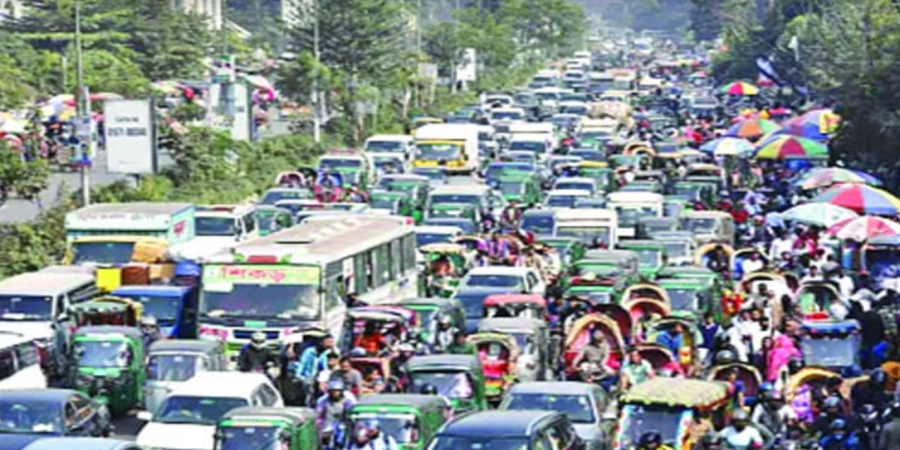
Witnesses said that the blaze triggered chaos in the already congested Mohakhali traffic zone, forcing vehicles and pedestrians to divert in multiple directions. Many residents and bystanders initially rushed toward the scene, only to be driven back by the heat and fear of further explosions. Shopkeepers and nearby businesses hurriedly closed their shutters, while hospital staff at Universal Hospital remained on high alert due to the proximity of the fire.
By late evening, authorities confirmed that firefighting efforts were still underway, though the fire had been partially contained. Senior fire officials at the site told reporters that their immediate priority was to prevent the flames from spreading to surrounding structures, including the hospital, commercial buildings, and nearby residential quarters. The fire service added that additional units could be dispatched if necessary.
The cause of the fire remained unclear at the time of reporting. Some preliminary suspicions pointed to a technical fault during fuel transfer operations, while others speculated that a short circuit or a vehicle mishap could have triggered the blaze. Officials emphasized that a thorough investigation would be conducted once the fire was fully extinguished.
Concerns grew over the scale of the damage, as the filling station housed fuel reserves, vehicles, and several employees at the time of the fire. Eyewitnesses claimed that at least one vehicle inside the premises had been engulfed in flames. Although there were no confirmed fatalities or injuries immediately, emergency personnel warned that the extent of the damage and any human casualties could only be assessed after the fire was completely under control.
Residents living nearby recounted moments of fear and confusion. “We heard a sudden loud blast and thought it was an earthquake or something worse. Then we saw the flames,” said one local resident who lived within 200 meters of the petrol pump. Another witness added, “The heat was unbearable even from across the street. Everyone was running in different directions.”
The incident quickly drew large crowds despite police efforts to disperse them. Social media platforms were flooded with images and videos showing massive flames, thick smoke, and the sound of sirens as fire engines raced to the scene. The situation prompted concerns about the preparedness of petrol pumps in Dhaka to handle emergencies of such magnitude.
Urban safety experts have long warned about the risks associated with petrol pumps located in densely populated areas of Dhaka. Many stations operate within close proximity to hospitals, schools, residential complexes, and markets, making them potential hotspots for catastrophic incidents. Sunday’s fire once again highlighted the vulnerability of urban planning and the pressing need for rigorous safety inspections and compliance measures.
Fire service officials on the ground acknowledged the challenges they faced in controlling the blaze. “This is not a small fire. It involves highly flammable substances. We are doing everything we can to contain it, but it is a complicated operation,” said one senior firefighter. He further explained that the underground fuel tanks posed a particular risk, as any structural breach could result in larger explosions.
As darkness fell, authorities maintained roadblocks around Mohakhali, creating severe traffic disruptions in one of Dhaka’s busiest intersections. Commuters were rerouted to alternative roads, further straining the city’s already gridlocked traffic.
Officials from Dhaka Metropolitan Police and the local administration also visited the site to oversee emergency measures. They assured the public that every possible step was being taken to contain the situation. Meanwhile, hospitals in the area remained on standby to treat possible victims of burns, smoke inhalation, or trauma injuries.
The fire sparked renewed debate about accountability and safety regulations in the city. Critics pointed out that safety audits at many filling stations are outdated or inadequately enforced. Civil society groups have often raised concerns about the lack of fire exits, outdated firefighting equipment, and inadequate training of staff working at such high-risk facilities.
Although the immediate priority remained extinguishing the blaze, questions were already being asked about whether negligence or oversight played a role. Calls grew louder for an independent inquiry that would not only identify the cause of the fire but also ensure that preventive measures are strengthened across all petrol pumps in the capital.
The scale of financial losses was expected to be significant. In addition to the petrol station itself, nearby vehicles, shops, and possibly residential buildings might have suffered damage from the heat and shockwaves of the blasts. Insurance officials were expected to begin preliminary assessments once the site was declared safe.
The incident is also likely to have psychological impacts on residents of Mohakhali, an area already plagued by chronic traffic congestion, noise, and infrastructural challenges. For many, the sight of flames rising from a petrol pump so close to a major hospital was a chilling reminder of how vulnerable the city is to sudden disasters.
By late night, firefighters reported progress in containing the blaze, though full extinguishment was yet to be achieved. Authorities promised to provide updates on the situation, particularly concerning potential casualties and the cause of the fire.
As Dhaka woke up to the aftermath of yet another urban tragedy, the Mohakhali petrol pump fire served as a stark reminder of the urgent need for safety preparedness in a rapidly growing city where high-risk infrastructures often coexist with dense populations. Whether this incident will finally spur meaningful reforms or fade into the long list of urban calamities remains to be seen.
reporter