ছবি: Photo: Collected
Iran’s Supreme Leader Attends Religious Ceremony Following 12-Day War, Calls for Rendition of Nationalist Song "Ey Iran"
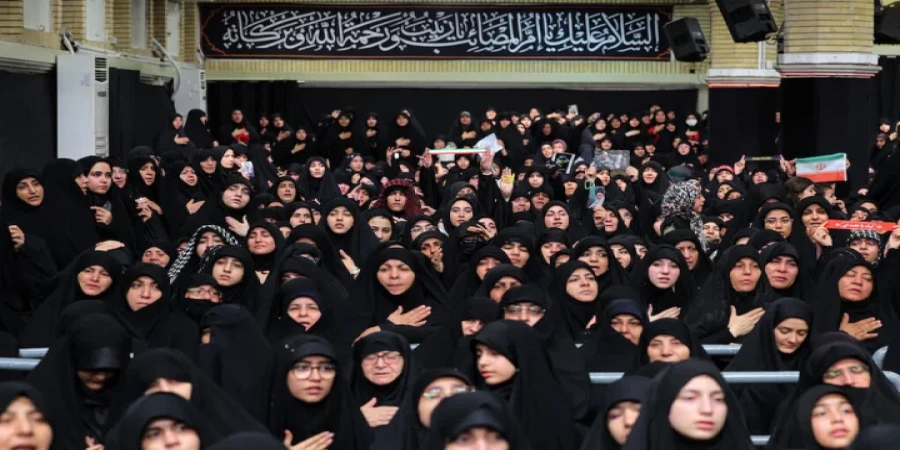
After a 12-day conflict with Israel, Iran’s Supreme Leader Ayatollah Ali Khamenei appeared in public for the first time, attending a religious gathering in Tehran on Saturday, July 6. According to BBC Persian, he joined a Muharram mourning ceremony at the Hosseiniyeh of Beit Rahbari, where he was warmly received by attendees.
During the event, Khamenei addressed pro-government singer Mahmoud Karimi, encouraging him to sing the patriotic song “Ey Iran” if he wasn’t tired. This gesture reflected the song's growing popularity as a national symbol even within religious gatherings in the post-war atmosphere.
In a televised broadcast, the 86-year-old leader was seen entering a mosque dressed in black, in observance of the holy mourning month of Muharram. He received a standing welcome from the crowd, many of whom raised clenched fists and chanted slogans like “Our blood, for our leader!”
The ceremony was held on the occasion of Ashura, the martyrdom anniversary of Imam Hussein—a significant day for Shia Muslims. Khamenei’s official website described the event as a unifying moment for the Iranian public and noted that it was attended by a cross-section of Iranian society. The mourners gathered at the Hosseiniyeh Imam Khomeini expressed solidarity with the values of the Islamic Revolution, led by Khamenei himself.
The song “Ey Iran,” written by Toraj Negahban and composed by Mohammad Sarir, has long been regarded as a national classic in Iran. Originally performed by Mohammad Nouri, the song was modified for this occasion by singer Mahmoud Karimi. Its patriotic tone has resonated more deeply with the public in the wake of the conflict with Israel.
The footage was reportedly recorded at the central Imam Khomeini Mosque in Tehran, named after the founder of the Islamic Republic. Notably, Khamenei had remained out of the public eye for 22 days during the Israel-Iran hostilities, with only three pre-recorded speeches being broadcast on state television during that period.
His absence from the funerals of high-ranking military officials killed in the conflict also attracted public attention. The typically high-profile Muharram ceremonies, which usually begin with Khamenei’s personal presence, also saw a scaled-back start this year. In contrast to previous years, only the heads of the executive and judiciary branches and several military commanders were present at the opening ceremony. Khamenei’s absence marked a departure from tradition.
Many children attended the event, holding pictures of slain military leaders. While public curiosity grew regarding the Supreme Leader’s absence, Iranian state media avoided addressing it directly. Instead, they attempted to present the lack of his public presence as a routine matter.
Khamenei’s reappearance and his request for the performance of “Ey Iran” seem intended to rekindle national unity and morale in the aftermath of the war. The symbolic inclusion of the patriotic song during a key religious event reflects a blending of nationalism and faith, central themes in the Islamic Republic’s narrative.
reporter