ছবি: সংগৃহীত ছবি
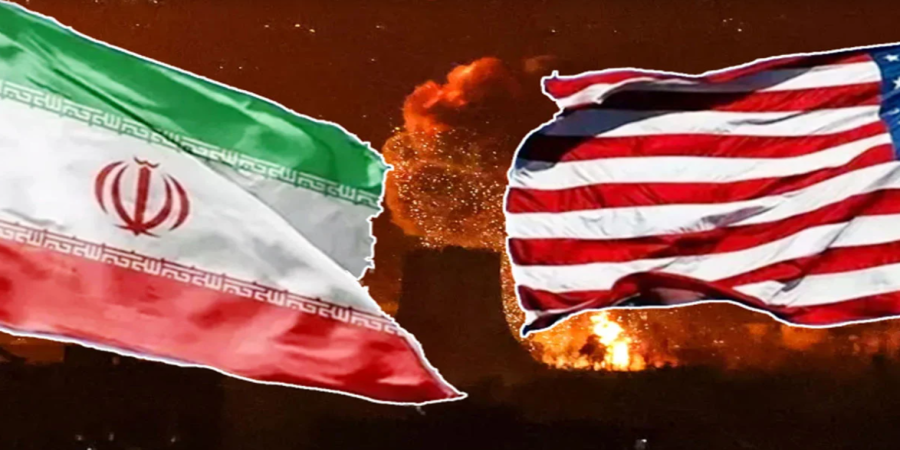
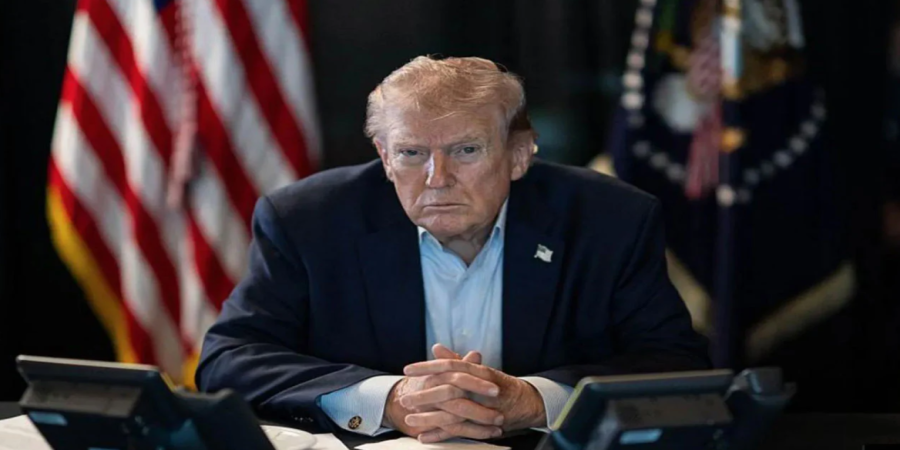
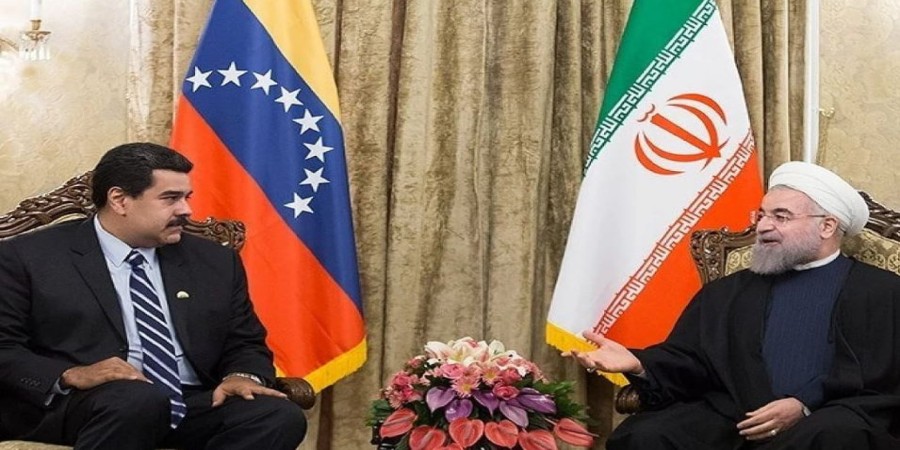
Across modern geopolitical history, few forces have influenced diplomacy, warfare, and regime change as profoundly as crude oil—and the United States has remained at the center of this global competition for energy dominance. From Iran to Iraq, Libya, and now Venezuela, successive American administrations have pursued strategies—ranging from covert operations to sanctions, invasions, financial warfare, and diplomatic pressure—designed to secure control over valuable oil reserves and protect the supremacy of the U.S. dollar in energy markets. After World War II, oil became the lifeblood of global economic growth, prompting Washington and London to intervene when Iran nationalized its oil industry in the early 1950s, culminating in the CIA-backed Operation Ajax that overthrew Mohammed Mossadegh and restored the Shah. The pattern resurfaced in 2003 when Saddam Hussein’s bid to sell Iraq’s oil in euros rather than dollars foreshadowed the U.S. invasion justified under the banner of “weapons of mass destruction”—a claim that proved hollow, even as American firms gained access to lucrative Iraqi oilfields. Libya’s Muammar Gaddafi met a similar fate after pushing for an African gold-backed currency to challenge the dollar’s dominance in global energy trade, triggering Western intervention and prolonged instability. Today, the United States’ escalating pressure on Venezuela underscores the same strategic calculus as Washington seeks influence over Caracas’ vast high-grade oil reserves, using sanctions, diplomatic isolation, and military signaling as leverage. Taken together, these episodes reveal how the geopolitics of energy often trump the rhetoric of democracy or human rights, reshaping regional power balances while ordinary citizens bear the social and economic consequences of a resource-driven global chessboard.
reporter