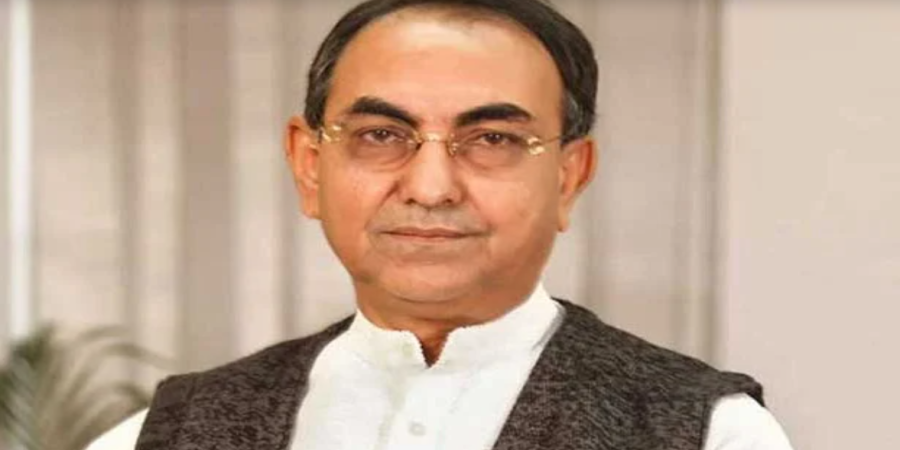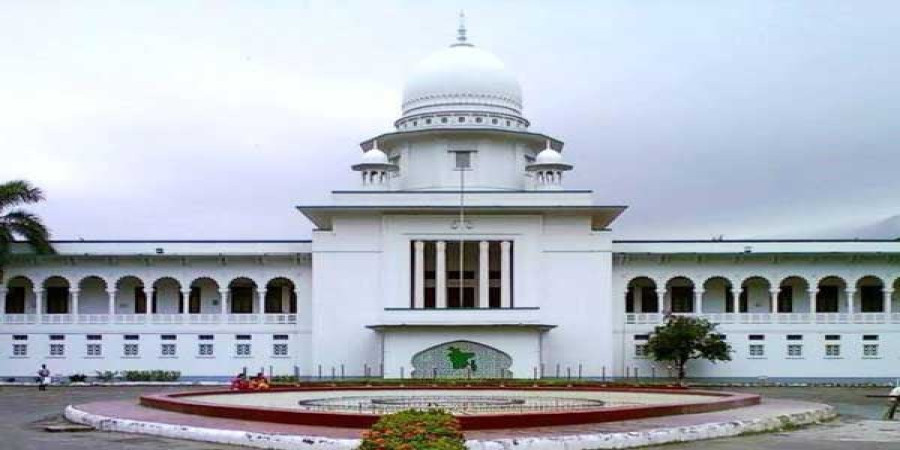
ছবি: -File Photo
The High Court has declared Article 116 of the Constitution unconstitutional and ordered the establishment of a separate secretariat for the judiciary within the next three months. The ruling was delivered on Tuesday by a bench comprising Justice Ahmed Sohel and Justice Debashish Roy Chowdhury.
According to the court’s judgment, the control, transfer, and overall management of subordinate court judges will rest entirely with the Supreme Court. The High Court also directed that the original provision of Article 116, as it appeared in the 1972 Constitution, be reinstated. This provision had vested the power of control and discipline of magistrates and judges in the Supreme Court, ensuring judicial independence.
The case originated from a writ petition filed on August 25 last year by seven Supreme Court lawyers. The petition challenged the constitutionality of Article 116 and the validity of the Judicial Service Rules of 2017 while also seeking directions to establish a separate secretariat for the judiciary. The petitioners argued that independence of the judiciary cannot be ensured so long as the executive retains control over the transfer, posting, and discipline of lower court judges.
Historical developments played a central role in the High Court’s verdict. Under the original 1972 Constitution, the control and discipline of subordinate courts were vested in the Supreme Court. However, in 1974, through the Fourth Amendment, this power was transferred to the President. The petitioners pointed out that this amendment significantly undermined judicial independence by placing judges under the influence of the executive branch.
Later, the Fifth Amendment to the Constitution added the phrase that such control would be exercised by the President “in consultation with the Supreme Court.” Though seemingly a compromise, critics argued that it still allowed the executive undue influence over the judiciary. Subsequently, the Appellate Division of the Supreme Court declared the Fifth Amendment unconstitutional, which reopened debates over the true intent of the framers of the 1972 Constitution.
Despite that ruling, the Fifteenth Amendment of 2011 reinstated the provision allowing the President to exercise such powers in consultation with the Supreme Court. This reinstatement, according to the petitioners, contradicted the principle of separation of powers and compromised judicial independence. They contended that any provision that places control of judges under the executive branch directly violates the independence of the judiciary guaranteed by the Constitution.
The High Court, in its ruling, agreed with the petitioners’ arguments. It held that Article 116, in its present form, undermines judicial independence and is therefore unconstitutional. By striking down the provision, the court reaffirmed that all matters relating to the control, transfer, and discipline of subordinate judges must rest exclusively with the Supreme Court, free from any interference by the executive branch.
The court also addressed the need for structural reforms to strengthen the independence of the judiciary. It ordered the government to establish a separate judicial secretariat within three months. This secretariat, distinct from the Ministry of Law, would handle all administrative and managerial functions concerning the judiciary, ensuring that the executive does not exercise indirect control over judicial operations.
Legal analysts described the judgment as a landmark in restoring the balance of power between the executive and the judiciary. They noted that the decision echoes the spirit of the 1972 Constitution, which had originally envisioned a judiciary free from external influence. By directing the formation of a separate secretariat, the court has sought to institutionalize safeguards for the independence of the judiciary.
The ruling also reopens broader debates about constitutional amendments that altered the distribution of powers between state organs. The Fourth and Fifth Amendments, in particular, have long been criticized for weakening democratic institutions. The High Court’s verdict underscores the importance of undoing these historical distortions and reestablishing the principles of separation of powers and rule of law.
While the government has not yet responded to the order, legal experts believe that the establishment of a separate judicial secretariat will require significant structural and administrative changes. It may also spark debates within political circles over the scope of executive authority and the extent of judicial oversight. However, supporters of the judgment argue that these reforms are necessary to ensure that judges are able to carry out their duties independently, without fear of undue pressure or interference.
The petitioners welcomed the ruling, stating that it marks a crucial step in consolidating the independence of the judiciary in Bangladesh. They emphasized that judicial independence is not merely an institutional matter but a constitutional safeguard that ensures fairness, accountability, and the protection of fundamental rights.
The ruling, once implemented, is expected to bring Bangladesh closer to fulfilling the constitutional promise of a judiciary that operates independently of the executive branch. Whether the government will comply with the order within the stipulated three months remains a question of political will and administrative capacity.
reporter