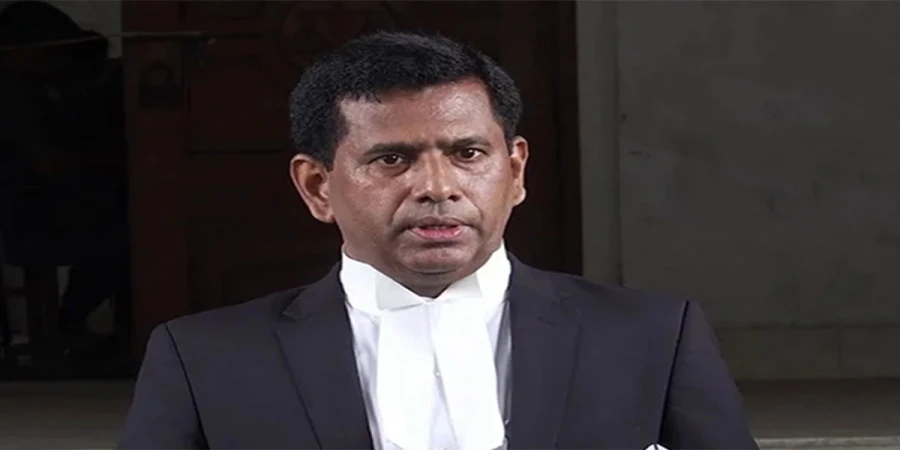
ছবি: -Collected Photo
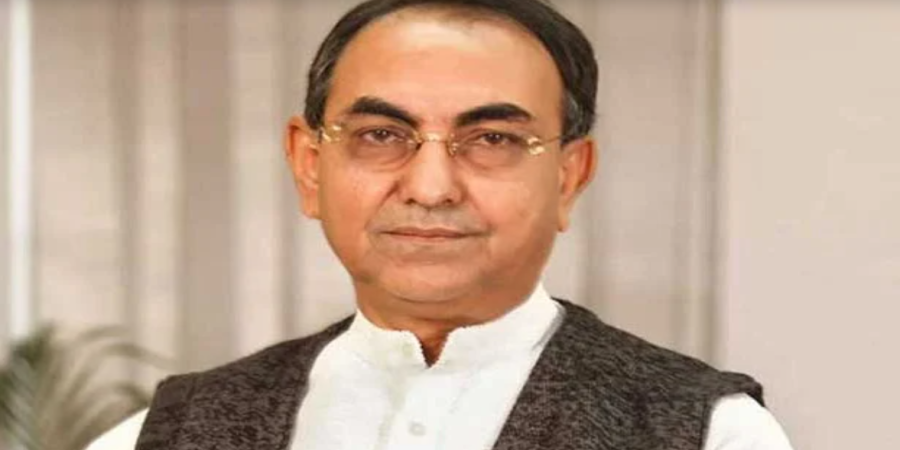
Former Inspector General of Police (IGP) Chowdhury Abdullah Al-Mamun’s testimony as an approver before the International Crimes Tribunal has been described by Chief Prosecutor Mohammad Tajul Islam as irrefutable proof of misrule under ousted Prime Minister Sheikh Hasina. The testimony, delivered in Dhaka, directly links state leaders to decisions that resulted in widespread killings and repression during the July–August 2024 uprising.
On Tuesday, before a three-member bench led by Justice Golam Mortuza Mojumdar at the International Crimes Tribunal-1, Mamun provided a detailed account of the government’s response to the student-led uprising that eventually led to Hasina’s downfall. He claimed that on July 18, 2024, then-Home Minister Asaduzzaman Khan Kamal called him at police headquarters to convey Hasina’s direct order authorizing the use of lethal force against protesters. The instruction was relayed by then Additional DIG Proloy Kumar Jowarder to the Dhaka Metropolitan Police Commissioner Habibur Rahman and later to units nationwide. From that day forward, firearms were systematically deployed against demonstrators.
Mamun further stated that the use of deadly weapons was enthusiastically carried out by senior Dhaka police officials, including Commissioner Habibur Rahman and Additional Commissioner Mohammad Harun-or-Rashid. He said Asaduzzaman Khan’s directive was clear: the protests had to be crushed at any cost. According to Mamun, Hasina herself was influenced by several top political figures, including Obaidul Quader, Anisul Huq, Salman F Rahman, Rashed Khan Menon, Hasanul Haq Inu, Jahangir Kabir Nanak, Mirza Azam, Fazle Noor Taposh, and Mohammad Ali Arafat.
The former police chief also detailed how helicopters and drones were used during crackdowns. He said these aerial operations were political decisions advised by then-RAB chief Harun-or-Rashid. Protest-prone areas were divided into blocks where aerial raids and heavy weaponry were deployed, killing and injuring scores of demonstrators. He added that government-aligned intellectuals, journalists, cultural activists, and business leaders encouraged the violent suppression of the movement.
Mamun recounted regular “core committee” meetings hosted at the home of the then-Home Minister beginning July 19, 2024, where strategies to dismantle the protests were finalized. In one such meeting, the decision was taken to arrest leaders of the anti-discrimination student movement. The Directorate General of Forces Intelligence (DGFI) initially proposed the arrests, which Mamun said he opposed but later conceded under pressure. The responsibility was handed to then-DB chief Harun, who, according to Mamun, played a central role in detaining the coordinators, pressuring them into withdrawing from the movement, and forcing public statements on television.
Mamun testified that on August 4, 2024, a crucial meeting took place at Ganabhaban under Hasina’s leadership. Attendees included the home and law ministers, heads of the armed forces, and chiefs of intelligence agencies. The gathering reviewed the deteriorating national situation. Although the meeting was adjourned, another session was held that night involving Hasina, her sister Sheikh Rehana, top ministers, and military commanders. They discussed blocking the “March to Dhaka” announced by protesters for August 5. At that meeting, the army was instructed to coordinate with police to secure all entry points to the capital.
On August 5, Mamun recalled, protesters surged through routes into Dhaka. By midday, he was informed that Hasina would resign. Later that afternoon, he was flown from police headquarters to Tejgaon Airport and then to the cantonment by military helicopter along with senior police officials. His contract as IGP was annulled the following day, and he was arrested on September 3 while confined to the cantonment.
Mamun also referred to earlier episodes of electoral manipulation. During the 2018 national elections, he said then-IGP Javed Patwary advised Hasina to pre-fill 50 percent of ballots the night before polling, instructions later carried out by police and civil administration. Officials who executed the orders were later rewarded by the state.
Regarding his tenure as Director General of RAB between April 2020 and September 2022, Mamun said the force operated secret detention facilities, including one in Uttara known as the Taskforce Interrogation Cell (TFI). These centers, he said, became a system of enforced disappearances, illegal detentions, torture, and extrajudicial killings. Orders for such actions, he testified, came directly from the Prime Minister’s Office and were communicated through her defense adviser Tariq Ahmed Siddiq. The instructions bypassed the normal chain of command and were sent directly to RAB’s operations and intelligence directors.
He admitted knowledge of high-profile cases, including the secret detention of Barrister Arman, whom he was told was being held under government orders. Despite raising the matter with senior officials, including Tariq Siddiq, he said no further clarification was provided.
Expressing remorse, Mamun told the tribunal he felt ashamed and burdened by the atrocities carried out under his watch. He apologized to victims’ families, injured protesters, and the people of Bangladesh, asking for forgiveness. He said his decision to become an approver was driven by conscience, particularly after seeing the brutality of killings and the burning of bodies to destroy evidence.
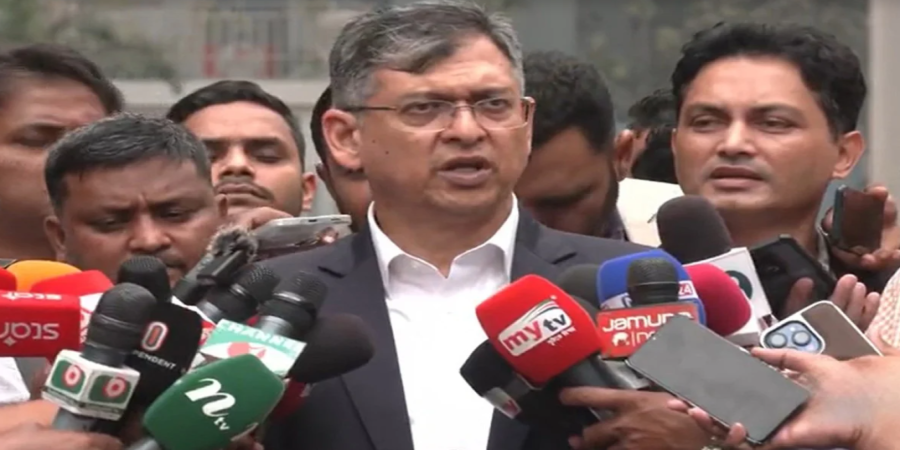
Following Mamun’s testimony, Chief Prosecutor Tajul Islam told reporters that it would be up to the tribunal to decide whether the former police chief receives clemency. However, he emphasized that Mamun’s evidence could not be discredited in any court in the world, calling it indisputable and irrefutable. Islam noted that the testimony not only documented the July–August uprising but also shed light on the enforced disappearances and killings that had marked the preceding 15 years.
The tribunal’s prosecution team, led by Tajul Islam alongside prosecutors Mizanul Islam and Gazi MH Tamim, argued the case against Hasina, Asaduzzaman Khan, and other accused. Defense for the absent Hasina and Khan was handled by state-appointed lawyer Amir Hossain, while Mamun was represented by lawyer Zayed Bin Amjad.
Mamun concluded his testimony by reiterating that the massacres during the uprising were ordered directly by Sheikh Hasina and her home minister. He said that, despite decades of service in the police, he could not escape the guilt of his final years in office and hoped that telling the truth would bring justice and provide him some relief from his burden of conscience.
reporter