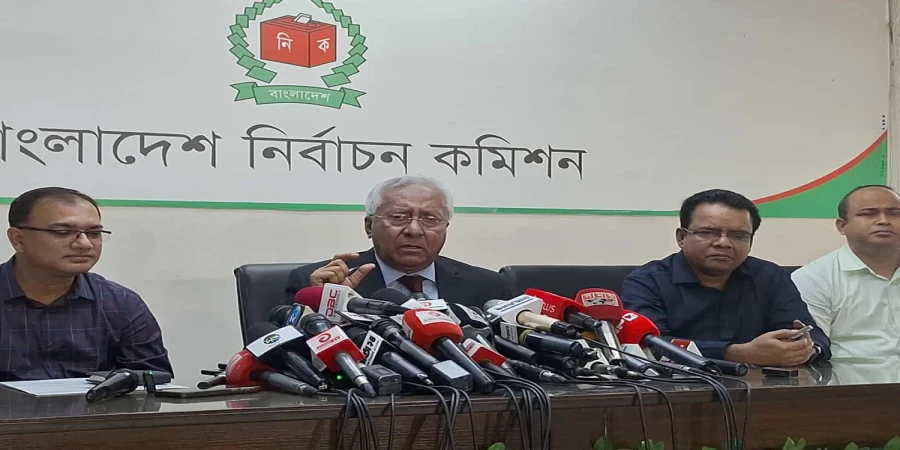
ছবি: -Collected Photo
The Election Commission of Bangladesh has unveiled its much-anticipated roadmap for the upcoming 13th National Parliamentary Election, laying out a timeline that places the polls before the onset of Ramadan in early 2026. According to the announced framework, the electoral schedule, also known as the election gazette, will be declared in December this year, allowing the Commission to set the stage for one of the most significant political events in the country’s democratic journey.
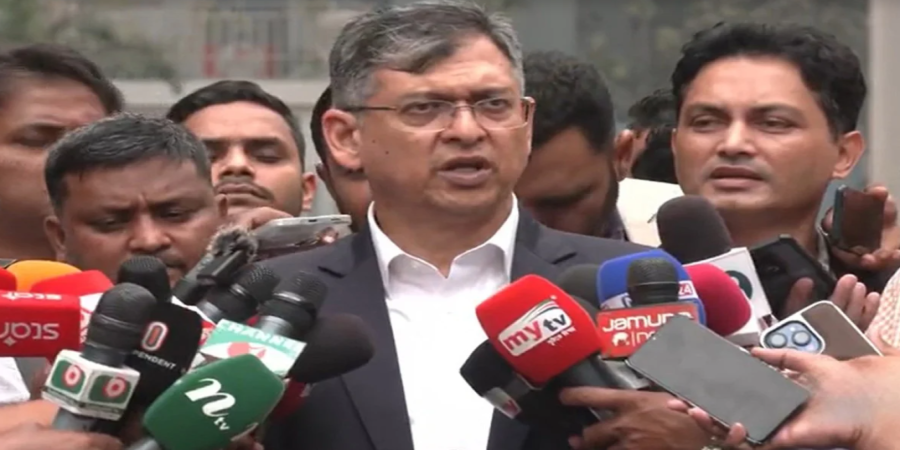
Chief Election Commission officials emphasized that the roadmap was prepared with precision, dividing the preparatory process into 24 priority-based tasks. These tasks, interlinked and sequential, are designed to ensure that the polls are conducted smoothly, fairly, and inclusively. Election Commission Senior Secretary Akhtar Ahmed, while addressing the media on Thursday, explained that every step has been carefully mapped to avoid administrative and political hurdles that often arise in the run-up to national elections.
Under this plan, the Commission has scheduled comprehensive dialogues with key stakeholders. Beginning in September this year, the EC will sit down with political parties, civil society actors, media professionals, and representatives from women’s leadership forums. These conversations are expected to play a vital role in building consensus, easing tensions, and paving the way for transparent polls. Ahmed stressed that these stakeholder engagements are not merely symbolic but will actively shape the strategies and mechanisms that the Commission adopts over the coming months.
As per the roadmap, the election itself will be held in the first half of February 2026, which coincides with the period just before the holy month of Ramadan. Officials pointed out that organizing the vote before Ramadan will not only prevent disruptions during the fasting period but will also provide an environment where campaign activities, voter turnout, and electoral monitoring can be carried out effectively. The declaration of the official election schedule two months prior to polling day will give all parties ample time to prepare, field candidates, and mobilize their campaigns in line with electoral rules.
The Commission’s decision to announce the schedule in December aligns with its broader commitment to transparency and predictability. Over the years, concerns have often been raised about late announcements and rushed preparations that leave stakeholders scrambling to adapt. By setting a December timeline, the Commission believes it is giving political actors, observers, and voters enough time to gear up for what is anticipated to be a highly competitive election season.
In his remarks, Akhtar Ahmed highlighted the interconnected nature of the 24-point action plan, noting that each measure reinforces the other. He explained that while technical and logistical arrangements are crucial, the Commission is equally focused on creating an environment of trust and cooperation. This is particularly important in Bangladesh’s political landscape, where disagreements over electoral fairness have historically led to boycotts, confrontations, and widespread skepticism about the process.
The dialogues with political parties are expected to cover a wide range of issues, from voter registration accuracy and campaign finance transparency to the use of technology in voting and result management. In addition, the Commission will engage with media leaders to discuss their role in ensuring balanced coverage and curbing misinformation during the campaign period. Women leaders and gender rights activists will also be included in discussions aimed at making the electoral process more inclusive, encouraging female participation both as voters and as candidates.
Observers note that by placing emphasis on inclusion and accountability, the Commission is attempting to send a strong signal to both domestic and international stakeholders. With Bangladesh’s democratic process often under global scrutiny, the timing, fairness, and transparency of the 13th National Election are likely to draw significant international attention. Election monitoring groups, foreign governments, and global organizations will be watching closely to assess whether the roadmap translates into a credible and peaceful electoral exercise.
The announcement of this roadmap also comes at a politically charged time. Speculation about alliances, shifting loyalties, and voter sentiment is already dominating national conversations. Political parties, particularly the major players, are expected to intensify their groundwork in anticipation of the formal campaign season. Analysts believe that the roadmap will serve as both a timeline and a test for these parties, challenging them to engage constructively with the Election Commission while also preparing for fierce electoral battles.
The Commission’s plan has sparked varied reactions across the political spectrum. Some parties welcomed the move as a step toward transparency and readiness, while others expressed cautious optimism, insisting that the real test lies in its implementation. Civil society organizations and advocacy groups have urged the Commission to follow through on its commitments with sincerity and impartiality, warning that any deviation could undermine confidence in the process.
Ultimately, the roadmap reflects the Commission’s ambition to stage a credible national election in early 2026. By announcing the schedule months in advance and prioritizing dialogue with stakeholders, the EC is attempting to foster an environment of trust and participation. Whether these efforts will succeed in overcoming deep-seated mistrust and political polarization remains to be seen. For now, however, the unveiling of the roadmap provides a clear timeline for the country as it heads into one of the most consequential elections in recent history.
reporter