ছবি: Photo: Collected
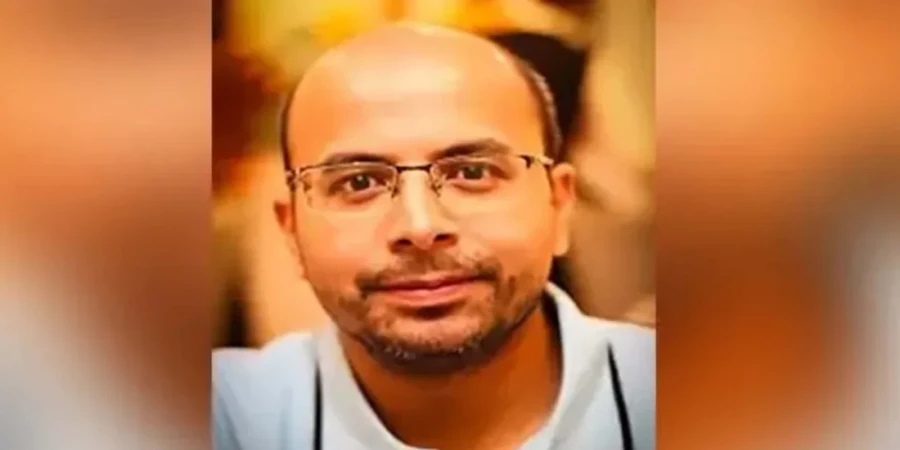
As Bangladesh reels from the devastating plane crash in Uttara that killed 19 and injured over 150—many of them schoolchildren—a new crisis has emerged at the National Institute of Burn and Plastic Surgery (NIBPS) in Dhaka. Faiz Ahmad Tayyeb, Special Assistant to the Prime Minister’s Chief Adviser, has raised an urgent alarm regarding the overwhelming crowd of onlookers at the institute, which is seriously obstructing emergency operations and putting lives further at risk.
In a Facebook post made Monday evening, Faiz Ahmad Tayyeb appealed for immediate public cooperation and restraint. Describing the situation as "deeply concerning," he noted that the massive gathering of curious onlookers outside the burn hospital—located near Shaheedullah Hall—has severely disrupted the movement of ambulances and the delivery of essential supplies, including oxygen, medical equipment, and drinking water.
“The hospital premises are overcrowded with people trying to take videos, go live on social media, and even force their way inside the building,” Tayyeb wrote, adding that some individuals were engaging in behavior that is not only inappropriate but actively harmful in such a critical time. “It’s a shameful and inhumane situation,” he said. “Doctors and nurses are struggling to access lifts and essential facilities inside the building because of this excessive presence of the public.”
Tayyeb praised the student volunteers working tirelessly to keep the ambulance lanes clear, calling their efforts “amazing,” but stressed that the situation was beyond their control without further assistance. He called for an additional volunteer team to help clear the roads and footpaths entirely, emphasizing that the area needs to remain open for several more hours to accommodate the steady stream of ambulances arriving from other hospitals. Since not all hospitals are equipped to treat severe burn injuries, patients are being transferred to the National Burn Institute, which has better capacity and specialized care.
In his appeal, Tayyeb also addressed the matter of blood donation, stating that the hospital currently does not require additional negative blood types and that people willing to donate should refrain from crowding the facility. Instead, he urged donors to contact the hospital hotline and register their blood group in advance. “We are grateful to all those who have already donated—your support is deeply appreciated,” he wrote.
Tayyeb concluded with a heartfelt reminder to the public: “People are dying. Do not be the reason someone loses their life because an ambulance couldn’t get through. Let us not allow curiosity to become cruelty. People are for people, but let us not forget that being present unnecessarily at a hospital in crisis can cause more harm than good.”
The tragic crash and its aftermath have exposed critical gaps in public awareness regarding emergency response etiquette. While the outpouring of support, including blood donations and volunteerism, is commendable, authorities are now urgently calling on the public to act with responsibility and restraint. Hospital officials, law enforcement, and rescue workers continue to work under immense pressure, and any disruption can delay life-saving care.
As the situation at the Burn Institute remains tense and chaotic, government authorities have reiterated the need for discipline, coordination, and compassion. The lives of severely injured victims—many of them children—now depend not only on doctors and medical teams but also on the collective behavior of the citizens surrounding them.
reporter