ছবি: Photo: Collected
The National Consensus Commission has announced its final decision to form a 100-member upper house based on a proportional representation (PR) system, a move that has sparked objections from major opposition parties including the BNP.
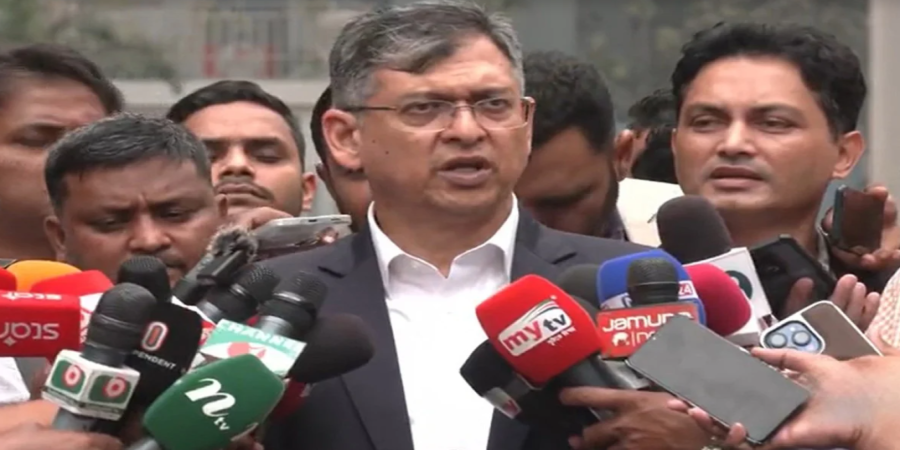
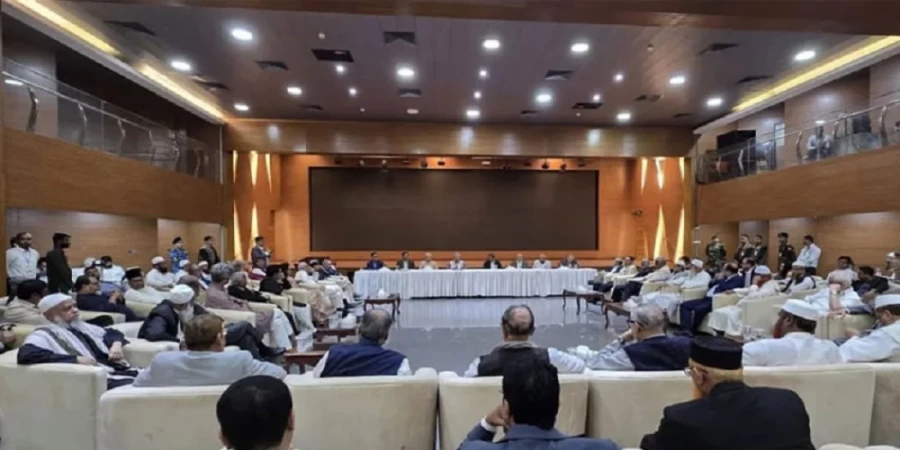
The announcement came on Thursday, July 31, during the 23rd day of the second phase of the Commission’s dialogue with political parties. After the midday break, Commission Vice Chair Professor Ali Riaz addressed the press, stating that despite extensive discussions, political parties failed to reach a consensus on the method for forming the upper chamber. Consequently, the Commission itself decided on the PR system to elect members.
According to the Commission’s proposal, the upper house will not have independent legislative power but will be required to review all bills except money bills. It will be mandated to approve or reject these bills within 30 days. If no decision is reached within the stipulated period, the bill will be deemed automatically approved.
In case of rejection, the upper house can return the bill to the lower house with recommendations for amendments. The lower house will then have the discretion to accept or discard the suggestions.
Candidates for the upper house must be finalized during the general parliamentary election period. A mandatory 10% quota for women candidates has also been introduced as part of the proposed structure.
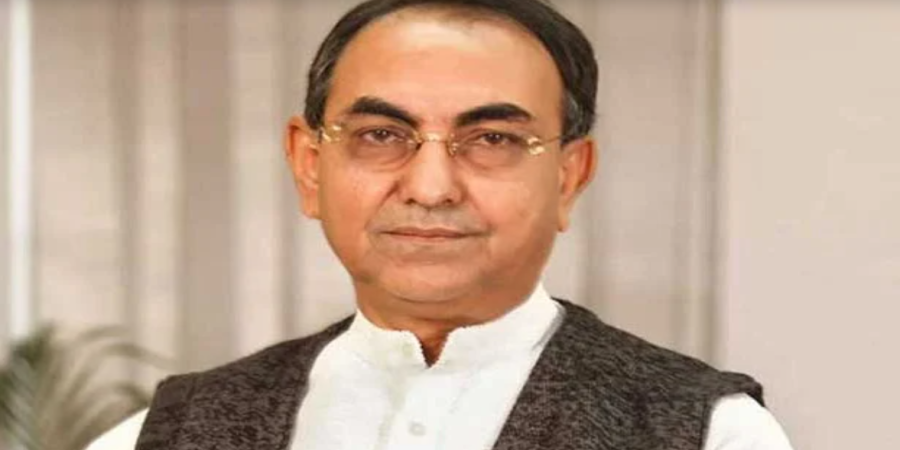
However, the initiative has led to division among political parties. The BNP, Labour Party, NDM, the 12-party alliance, and the Nationalist Alliance have all opposed the proportional representation system. BNP Standing Committee member Salahuddin Ahmed expressed strong reservations about both the proposed role of the upper chamber and the PR method for electing its members. He emphasized that constitutional amendments will not fall under the upper house’s purview and must be decided solely by the directly elected lower chamber.
Salahuddin further alleged that certain interest groups are advocating for the PR model to complicate the constitutional amendment process by shifting it to an unelected body, thereby undermining democratic accountability.
Other parties have raised different objections. The Communist Party of Bangladesh (CPB), the Socialist Party of Bangladesh (BASAD), Jamiat Ulema-e-Islam, and the People’s Party questioned the need for an upper house altogether. Citizens’ Unity, another participating group, criticized the chamber’s lack of legislative authority, arguing that without such powers, its purpose remains unclear.
In light of these disagreements, the Commission stated that its finalized proposal reflects its institutional position and aims to move forward with a functioning model for bicameral legislation, regardless of the absence of full political consensus.
reporter