ছবি: -Collected Photo
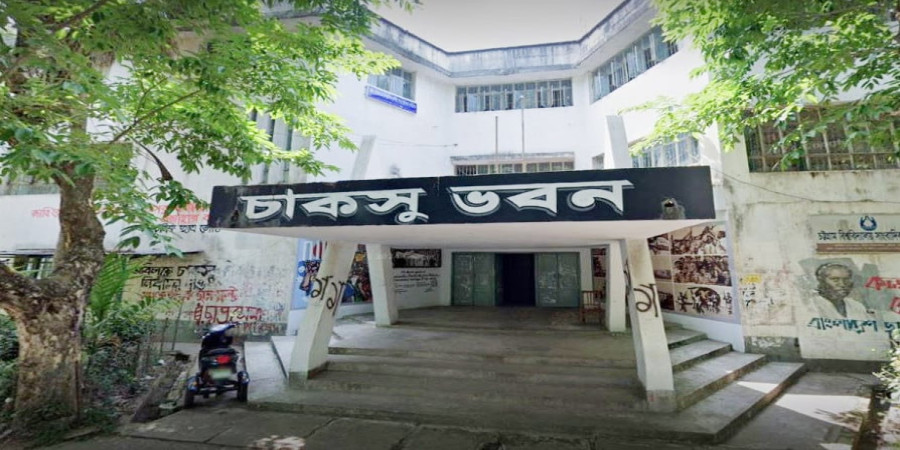
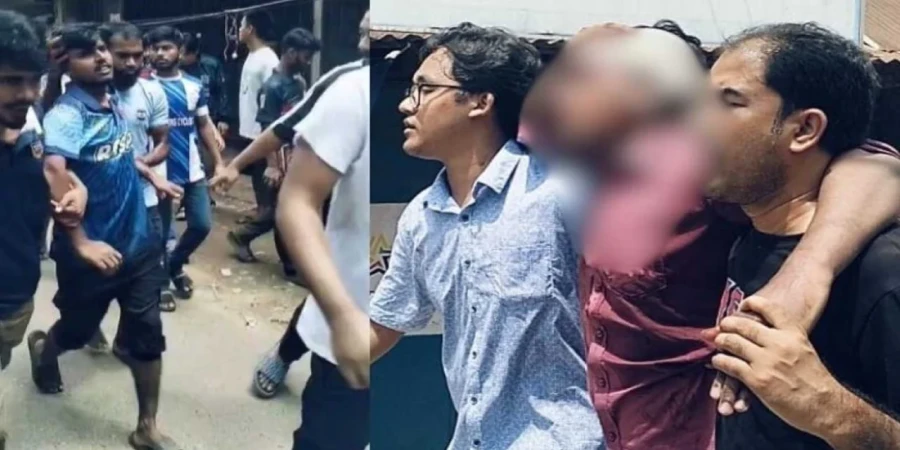
Fresh violence broke out at Chittagong University (CU) on Sunday as clashes between students and local residents once again turned the campus into a battleground. At least 30 people were injured in the incident, including the university’s Proctor, Professor Mohammad Tanvir Hayder Arif. Several of the injured sustained serious wounds and required emergency medical treatment.
The chaos also left Pro Vice-Chancellor (Administration) Professor Dr. Md. Kamal Uddin indisposed after he reportedly fell ill while being chased during the unrest. Witnesses described a harrowing scene in which senior university officials, law enforcement, and security personnel struggled to contain the violence but were ultimately overwhelmed by the sudden intensity of the confrontation.
The incident unfolded when university officials, including members of the administration and the registrar’s office, accompanied by police officers, attempted to mediate between students and locals. Tensions had been simmering for hours, and the administration had hoped to negotiate a truce. However, talks with the local community broke down abruptly. Within moments, the situation spiraled into open conflict as both sides engaged in running battles.
Eyewitnesses reported that locals, armed with sticks and bricks, launched a sudden attack on students as officials were leaving the scene. The assault quickly escalated into chaos, forcing students to defend themselves and leading to widespread injuries.
In the melee, Proctor Professor Tanvir Hayder Arif was injured while trying to protect students and calm the situation. Meanwhile, Pro Vice-Chancellor Kamal Uddin, who was also present, became unwell during the chase and had to be escorted away by security personnel. Several bloodied and injured students were rushed to nearby hospitals, some in critical condition.
Students later alleged that the attackers not only used sticks and stones but also detonated crude explosives, including cocktails, during the assault. The sound of explosions and the flurry of projectiles created panic, with many students fleeing the area in fear of further escalation. The allegations of explosives being used have not yet been confirmed by law enforcement, but the claims have added to the sense of insecurity gripping the campus.
As the clashes raged, law enforcement struggled to restore order. Police reinforcements were called in to the university and its surrounding areas, which have remained tense following a series of violent incidents between students and locals over the past several days. Patrols were increased and additional security measures were implemented in an effort to prevent a recurrence.
The injured students and officials were provided first aid on-site before being taken to hospitals in Chittagong city for further treatment. Reports indicated that several of them remain in serious condition. The Proctor, despite his injuries, was later seen assisting in coordination efforts for student safety and medical attention, underscoring the severity of the crisis.
The violence has once again thrown Chittagong University into turmoil. Over the past week, the institution has been grappling with repeated episodes of unrest that have disrupted academic schedules and created an atmosphere of fear among students and faculty. Saturday night’s confrontation, which began with an altercation involving a female student and a local security guard, had already left more than 50 injured. With Sunday’s violence adding to the toll, calls for stronger intervention have grown louder.
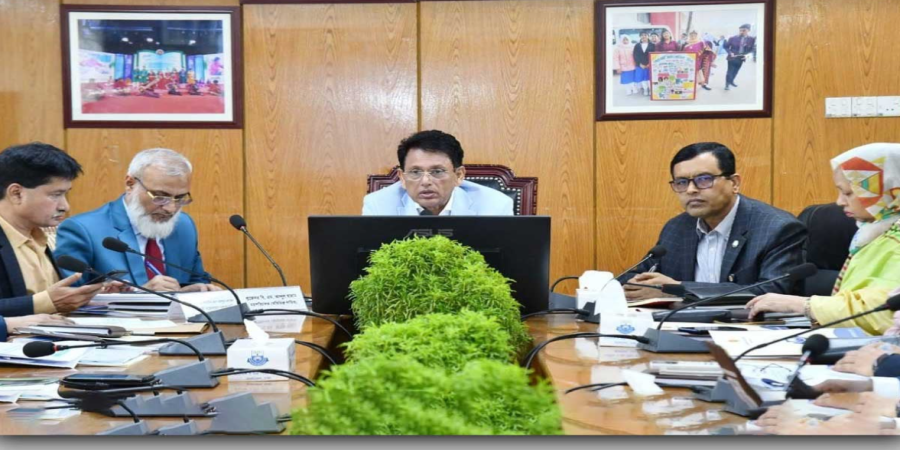
University authorities have convened urgent meetings to assess the escalating crisis. According to administrative officials, they are working in close coordination with law enforcement agencies to ensure the safety of students and staff. Local community leaders are also being approached to help mediate and prevent further flare-ups.
Students, however, remain deeply unsettled. Many have criticized the administration for what they see as inadequate protective measures and slow responses to the repeated outbreaks of violence. Some students voiced frustration that locals were able to mobilize so quickly and attack despite the presence of university officials and police, questioning how such assaults could happen in areas that are supposed to be under constant surveillance.
Residents from surrounding communities have presented a different narrative, accusing students of provoking tensions and overstepping boundaries in off-campus areas. The cycle of accusation and mistrust between the two groups has fueled a pattern of clashes that have repeatedly endangered both academic activity and community stability.
Sunday’s incident has renewed concerns that Chittagong University is facing a security crisis that cannot be solved through short-term measures. Analysts warn that unless lasting solutions are found through dialogue and firm security enforcement, the university could continue to be plagued by violent confrontations.
For now, the administration is focused on ensuring immediate calm. Additional police deployments remain in place around the campus, and further emergency meetings are expected in the coming days. The Vice Chancellor is scheduled to hold discussions with representatives from law enforcement, intelligence agencies, and local leaders in an attempt to de-escalate the conflict.
As night fell on Sunday, the university community was left shaken, with injured students recovering in hospitals and classes once again overshadowed by fear. The repeated scenes of violence have underscored the fragility of relations between students and local residents, raising urgent questions about how peace and normalcy can be restored in one of the country’s leading academic institutions.
reporter