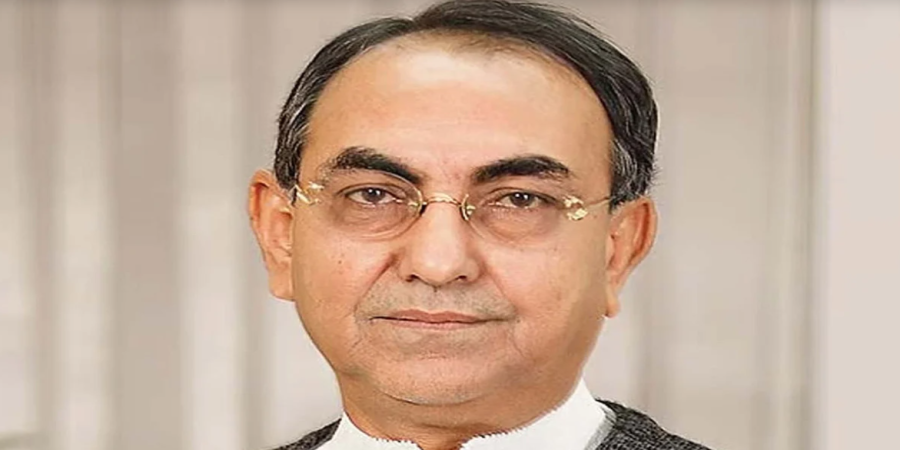
ছবি: -Collected Photo
Dhaka – Bangladesh’s Chief Adviser, Professor Muhammad Yunus, has directed that the Bangladesh Civil Service (BCS) examinations be conducted annually according to a fixed calendar, emphasizing transparency and accountability in the recruitment process. The instruction came during a meeting with officials of the Public Service Commission (PSC) held on Sunday afternoon at the State Guesthouse Jamuna.
Addressing the officials, Professor Yunus highlighted the critical role of the BCS examination as the “entry point” for future government administrators. He underscored that any irregularities at this stage could affect the entire governance system. “The examination and recruitment process must be completed each year according to the calendar. The BCS exam is the entry point—those who succeed in this exam are the ones who will run the government. Any misconduct at the entry stage will impact the entire system,” he stated.
The Chief Adviser further stressed that challenges and existing issues within the system should be addressed responsibly and collectively. “Necessary reforms must be undertaken to ensure the process is fair and effective, not just for today but also for those who will govern in the future,” he added.
The meeting also focused on enhancing the financial and administrative autonomy of the Public Service Commission. PSC Chairman Professor Dr. Mobashwer Monem provided an overview of the Commission’s five-year roadmap, stating that all examinations and recruitment processes would be conducted between November of each year and October of the following year.
During the discussion, PSC members acknowledged that political interference over the past 15 years had caused multiple irregularities in the BCS examination, including favoritism and question leaks. They emphasized that necessary reforms have been implemented to restore public confidence and ensure that the examination process remains free from any form of misconduct in the future. The PSC has also taken steps to improve the quality of examination questions, enabling candidates to compete not only nationally but also in global professional standards.
The meeting was attended by senior government and PSC officials, including Senior Secretary of the Ministry of Public Administration Dr. Md. Mokhlesur Rahman, Chief Adviser’s Chief Secretary Sirajuddin Mia, PSC members Md. Sujayet Ullah, Md. Zaherul Islam Bhuiyan, Professor Dr. M Sohel Rahman, Professor Dr. Chowdhury Saima Ferdous, Brigadier General (Retd.) Dr. Md. Anwarul Islam, Professor Dr. Shahnaz Sarkar, and Secretary of the Bangladesh Public Service Commission Secretariat Dr. Md. Sanowar Jahan Bhuiyan.
Professor Yunus emphasized that the government and PSC must work together to uphold the integrity of the civil service recruitment system. “The examinations and recruitment must not only follow the calendar but also be conducted in a manner that strengthens public trust. The reforms in place aim to eliminate past discrepancies and create a reliable framework for selecting future administrators,” he added.
PSC Chairman Professor Dr. Mobashwer Monem noted that the Commission has already prepared a detailed five-year action plan, which includes conducting annual examinations and recruitment processes without delay. He reaffirmed the PSC’s commitment to transparency and efficiency in all aspects of civil service selection.
The Chief Adviser and PSC officials discussed mechanisms to prevent political interference, strengthen institutional autonomy, and enhance the credibility of the BCS examination. Steps have been taken to ensure that examination procedures and question preparation meet international standards, providing candidates with the opportunity to compete in global benchmarks if needed.
Professor Yunus concluded the meeting by stressing that the reforms and adherence to the calendar are vital not only for maintaining transparency but also for ensuring a competent civil service. “The future of government administration depends on the integrity of this entry point. All issues must be addressed responsibly, and necessary reforms implemented collectively,” he said.
With these measures, the government aims to ensure that the BCS examination remains a fair, transparent, and efficient gateway for selecting the nation’s future administrators, free from political influence or malpractice. The ongoing reforms are designed to restore public trust, strengthen institutional integrity, and provide candidates with a merit-based platform to enter government service.
reporter