ছবি: Photo: Collected
BNP Secretary General rejects allegations that the party is avoiding reforms, urges critics to examine BNP’s 31-point proposal
Dhaka, July 1 —
BNP Secretary General Mirza Fakhrul Islam Alamgir has asserted that it was the Bangladesh Nationalist Party (BNP) that first brought forward the issue of political and institutional reform in the country. He dismissed ongoing narratives that the party is reluctant to engage in reforms, calling such claims misleading and politically motivated.
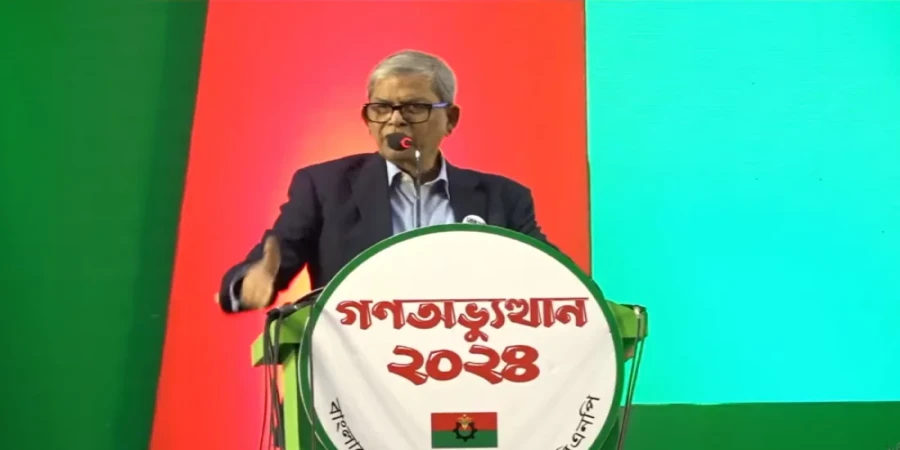
Speaking at a discussion titled "Mass Uprising 2024: National Unity and Democratic Journey," organized by the BNP at the Bangladesh-China Friendship Conference Center in Dhaka, Fakhrul stated that efforts are underway to distort the party’s actual stance. He criticized what he termed as a "subtle campaign" to create confusion about BNP’s intentions, emphasizing that the party has already proposed a comprehensive reform agenda.
Fakhrul highlighted that the BNP has laid out 31 specific points in its reform proposal, which he described as detailed, actionable, and aimed at restoring democratic governance, ensuring accountability, and protecting fundamental rights. He urged critics, political analysts, and members of the public to carefully examine the document before forming opinions about the party’s commitment to change.
He noted that BNP’s reform agenda is not merely a political tool but a necessary roadmap for national transformation. According to him, genuine reforms are essential to overcome what he described as years of institutional decay, authoritarian control, and public disillusionment with the electoral system.
The BNP Secretary General also referenced the broader context in which the reform proposal was introduced, citing a history of political suppression, erosion of democratic norms, and increasing centralization of power. He argued that the BNP’s initiative stands as a response to the people’s growing demand for a functional democracy that serves the public interest.
Fakhrul reiterated that BNP’s political mission is centered on building a fair, inclusive, and accountable state, and the party is prepared to make necessary structural changes to achieve this. He added that a peaceful mass uprising, backed by national unity and public support, remains vital to any transition toward genuine democracy in Bangladesh.
The discussion event brought together senior leaders of the BNP, civil society members, and political observers who reflected on the significance of the July-August movement and its implications for the current political landscape. The call for democratic unity and electoral reforms remained central throughout the proceedings.
The BNP’s 31-point reform plan, unveiled earlier this year, includes proposals for establishing an independent judiciary, ensuring fair elections under a neutral government, decentralizing administration, enhancing media freedom, and instituting anti-corruption mechanisms.
While addressing the audience, Fakhrul warned against attempts to discredit the reform agenda through misrepresentation or partisan critique. He maintained that the BNP’s position is consistent and transparent, and the party is ready to engage with all stakeholders committed to restoring democracy in the country.
The event concluded with renewed calls for collaboration across democratic forces to bring about meaningful political change, reflecting the BNP’s stance that the path to reform is both urgent and achievable through collective effort.
reporter