ছবি: -Collected Photo
The Bangladesh Nationalist Party (BNP) has firmly stated that no constitutional reform can take place outside the parliament, insisting that any attempt to do so would be deemed unconstitutional and legally unenforceable. The party conveyed its stance through a formal letter sent to the National Consensus Commission, led by Chief Adviser Dr. Muhammad Yunus, on Thursday.
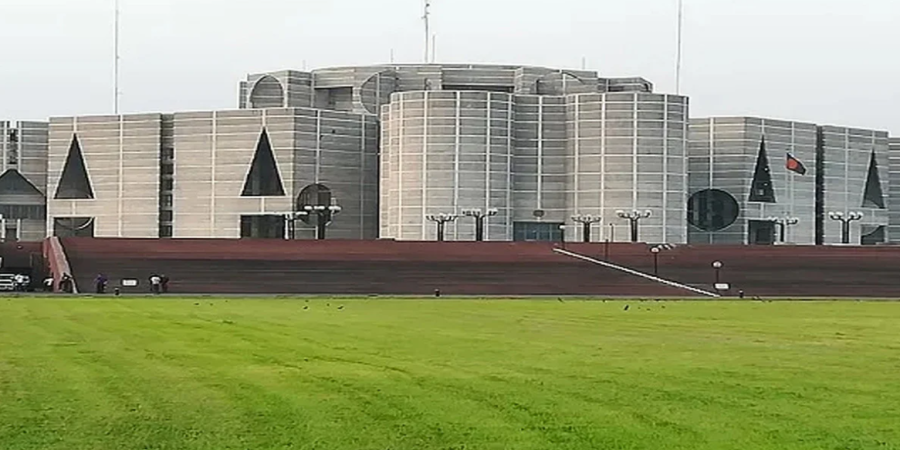
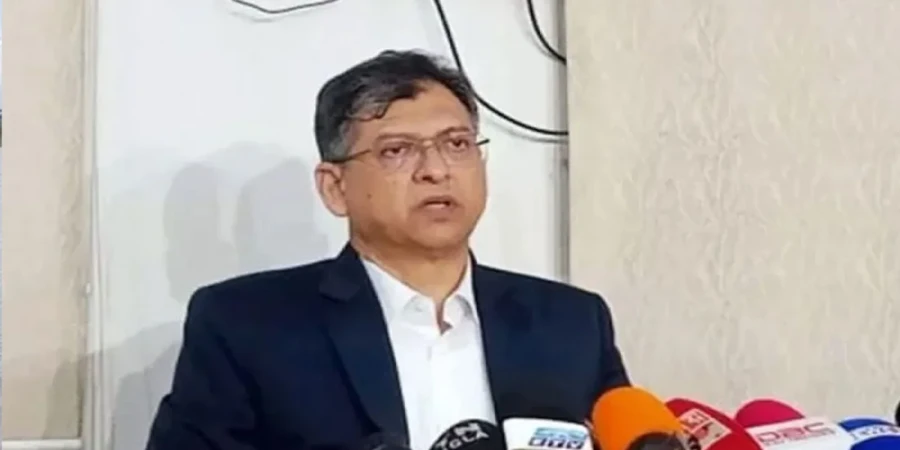
BNP Standing Committee member Salahuddin Ahmed explained the party’s position in an interview with Desh Rupantor, emphasizing that constitutional amendments or revisions must only be carried out within the legislative framework of the Jatiya Sangsad. “The constitution cannot be touched outside parliament. Any such attempt will lack legality,” he said.
According to Ahmed, the interim government led by Dr. Yunus has been formed under the authority of the existing constitution, and its primary responsibility is to safeguard constitutional continuity. He warned that bypassing this framework would undermine both the government’s legitimacy and the nation’s constitutional order. “If the interim government deviates from this continuity, who will ensure its legitimacy?” he asked.
BNP’s stance was outlined in response to discussions surrounding the July National Charter, which calls for specific reforms ahead of the election. The party clarified that while some reforms are indeed necessary, any that require constitutional amendments must go through parliament.
Ahmed stressed that the parliament is the only forum authorized to handle constitutional issues. He noted that reforms not tied directly to constitutional changes could be implemented by the interim administration through ordinances or administrative orders. “For reforms that do not require amending the constitution, the interim government can act before the election. But any change related to the constitution itself is possible only in parliament. Outside this forum, such steps will have no enforceability and will remain unconstitutional,” he explained.
The BNP leader further questioned the rationale behind any move by the interim government to pursue constitutional matters without parliamentary approval. He argued that such initiatives would not only violate constitutional norms but would also fail to withstand judicial scrutiny. “Constitutional matters cannot be enforced immediately because outside parliament they will not be accepted in court. They will not be legally binding,” he added.
Ahmed also pointed out that the interim government, being established under the framework of the current constitution, is obligated to protect and preserve it. He warned that any attempt to bypass constitutional provisions would erode the principle of continuity and potentially destabilize the legal structure of the state.
Reiterating the party’s position, Ahmed remarked that BNP is not opposed to reforms in principle, but insists that the process must adhere strictly to the country’s constitutional framework. Any attempt to reform outside parliament, he argued, would not only lack legitimacy but could also spark a constitutional crisis.
With national elections approaching, the debate over reforms has intensified. The BNP’s warning underscores a potential fault line in the political discourse, particularly regarding the authority and limitations of the interim administration. By rejecting any constitutional reform outside the legislature, the party has made clear its intent to safeguard parliamentary supremacy as the only legal avenue for such changes.
The National Consensus Commission, under Dr. Yunus, has been tasked with navigating a broad spectrum of political and institutional reforms before the election. However, BNP’s firm stance suggests that any effort to reshape constitutional matters without parliamentary approval is likely to face strong political resistance and legal challenges.
As discussions on reform continue, the BNP’s message stands as a reminder of the boundaries defined by the constitution itself. According to Ahmed, crossing those boundaries would not only delegitimize the process but could also jeopardize the credibility of the interim government at a crucial juncture in the country’s political landscape.
reporter