ছবি: ফাইল ছবি
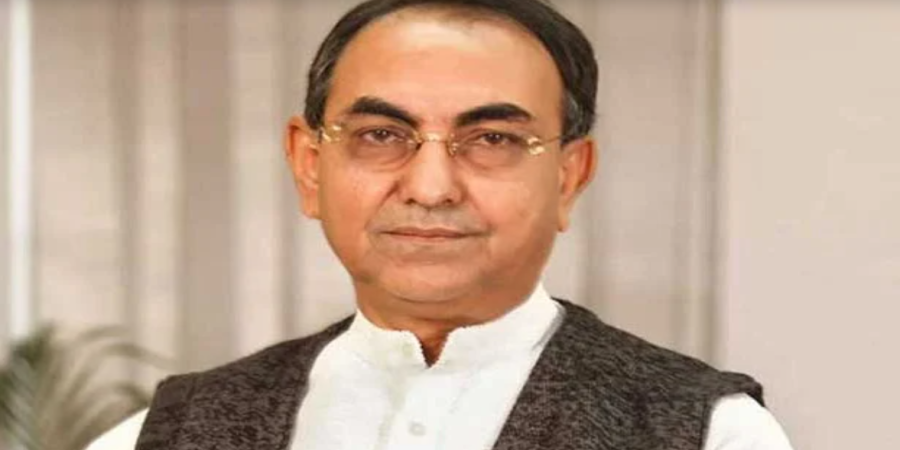
Former Commerce Minister and BNP Standing Committee member Amir Khasru Mahmud Chowdhury has called for major reforms to make Bangladesh’s business environment more open, competitive and democratic, arguing that excessive state control, licensing requirements and direct bureaucratic interactions continue to drive up operational costs and discourage entrepreneurship. Speaking at the inauguration of GapExpo-2026 and Garmentech Bangladesh-2026 in Dhaka, he said Bangladesh’s regulatory framework forces businesses to rely on administrative permissions and politically-backed patronage networks, leading to inefficiency and distortions in the marketplace. According to him, innovation and competition should be the primary engines of economic activity, whereas overdependence on political approval and bureaucratic leverage weakens institutions, undermines investor confidence and prevents new entrepreneurs from entering the market.
Khasru emphasized accelerating digital transformation across tax, VAT, customs, licensing and approval systems so that businesses can interact less with officials and more with digital platforms designed to reduce friction and eliminate discretionary delays. Such reforms, he argued, would lower overall business costs, improve predictability and attract both domestic and foreign investment. At the same event, National Board of Revenue Chairman Md Abdur Rahman Khan highlighted the crucial role that entrepreneurs play in creating jobs and supporting export growth, noting that the government is attempting to modernize tax administration and make regulatory compliance easier through digital solutions.
Industry experts say that Bangladesh’s economy—particularly its export-driven apparel sector—has reached a stage where further growth will depend on automation, upskilling and market diversification. With nearly ten million people directly or indirectly employed in the garment industry and export earnings reaching nearly USD 48 billion in FY 2024, the sector’s global competitiveness is now tied to sustainability, innovation and brand positioning. Exhibitions like GapExpo and Garmentech focus precisely on these issues, showcasing new machinery, automation systems, smart textiles, eco-friendly production technologies and supply chain efficiency models that aim to bring Bangladesh closer to international manufacturing standards.
Economists believe that the policy debate around Ease of Doing Business, transparency, digital governance and anti-corruption frameworks is likely to shape the political discourse in the coming years. While opposition representatives highlight bureaucratic burdens and discretionary control as major obstacles to investment and competition, government officials stress that significant progress has been made in digitization, infrastructure development, revenue modernization and export diversification. According to analysts, irrespective of political debate, Bangladesh’s long-term economic prospects will depend on creating an ecosystem where regulation is predictable, compliance is simple, institutions are efficient and markets reward innovation rather than political access.
Business owners attending the exhibition expressed concern over rising operational expenses, supply chain disruptions, raw material price volatility and growing competition in international markets. Many argued that predictable tax structures, transparent rules and digital regulatory platforms would make the industry more resilient. One garment manufacturer noted that export growth alone is insufficient and that the country now needs to focus on design, branding and high-value products to penetrate new global markets.
Overall, the discussion surrounding bureaucratic reform and business democratization has become central to Bangladesh’s broader economic and political narrative, as business leaders, investors and policy makers watch closely to see whether future policy frameworks can reduce friction, enhance competitiveness and support long-term export-led growth.
reporter