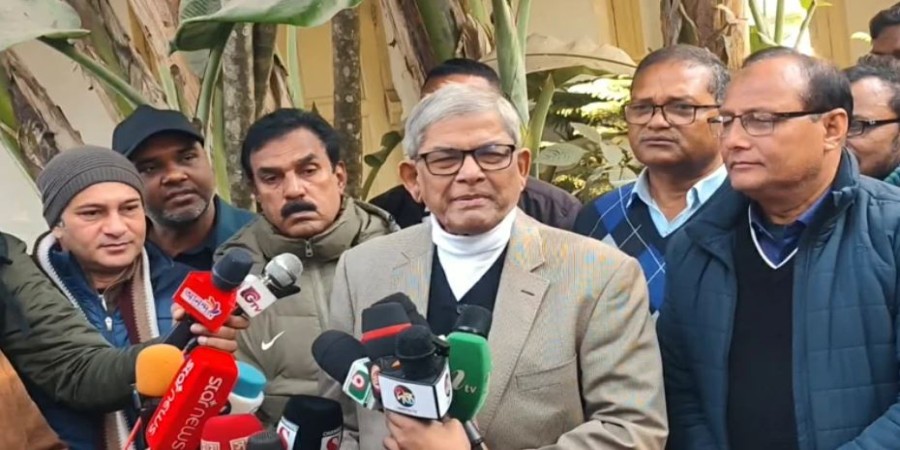
ছবি: সংগৃহীত ছবি
BNP Secretary General Mirza Fakhrul Islam Alamgir framed the exclusion of Bangladeshi cricketer Mustafizur Rahman from the IPL not merely as a slight against an individual player but as an insult to national dignity, arguing that cricket in the modern world has transcended sport and become deeply intertwined with diplomacy, public perception, soft power, and economic interests; speaking to journalists at his Thakurgaon residence, he said that undermining a national representative in such a globalized sporting arena carries political undertones that states must acknowledge, adding that the cricket board’s stance should therefore be evaluated through the lens of national interest; drawing from his past involvement in cricket administration, Fakhrul noted that international leagues and franchise-based tournaments operate through networks of influence, negotiation, and business calculations, meaning any decision affecting Bangladeshi athletes demands strategic attention rather than indifference; beyond sports, he criticized the government over what he described as an unsatisfactory law-and-order situation, citing failures in weapons recovery and domestic security as evidence of administrative shortcomings; he further asserted that the BNP was historically responsible for major national achievements and that, in matters of transboundary water relations involving rivers such as the Teesta and Padma, a BNP-led government would have advanced Bangladesh’s claims more effectively through diplomatic pressure and negotiation; local BNP leaders were present as Fakhrul linked domestic politics, cricket diplomacy, governance performance, and regional water politics into a single narrative centered on national interest and government accountability.
reporter