ছবি: ফাইল ছবি
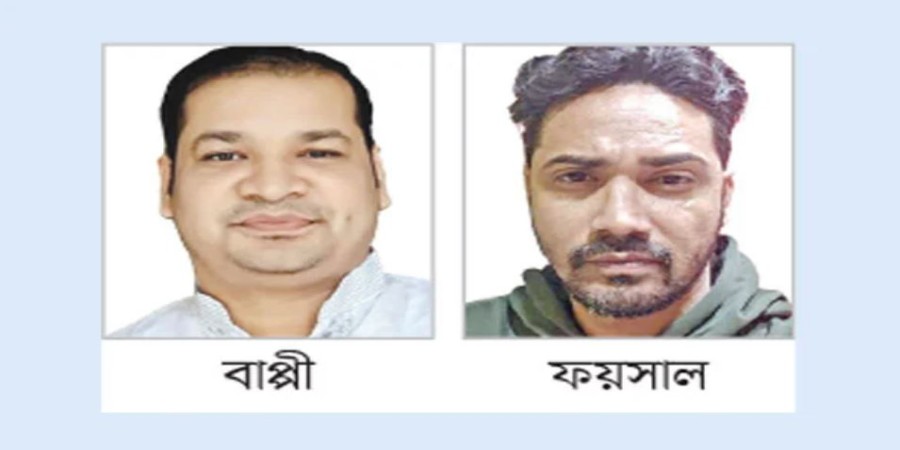
Tajul Islam Chowdhury, widely known as Bappi—a former ward councillor and organizational leader within a major youth political wing—has reportedly taken refuge for more than a year in a residential flat on the outskirts of Kolkata, India, in an area under Narayanpur Police Station near West Beraberi. According to accounts from local residents and individuals familiar with the location, Bappi maintained a discreet presence and occasionally introduced himself under different identities, allegedly portraying himself as a police officer at times. His close associates have denied direct involvement in the murder of Shahid Sharif Osman Hadi, a prominent organizer linked to cultural platform Inqilab Manch, but their statements indirectly confirm that Bappi had been residing at the flat in an effort to evade law enforcement following the killing. In parallel, authorities have frozen 53 bank accounts associated with Faisal Karim Masud, the prime accused in the Hadi murder case, as well as accounts linked to his personal and institutional affiliates, blocking more than sixty-five lakh taka in suspected illicit funds. Investigators have indicated that suspicious financial movements before and after the killing suggest an organized network operating beyond mere individual motives, raising allegations of money laundering, financing of violent activities, and participation in broader criminal coordination. Officials argue that freezing the assets was necessary to prevent dissipation of funds prior to legal resolution. Rumors within political circles suggest that Bappi may have already been detained by Indian authorities, though Kolkata police have formally denied the claim. The case has triggered renewed factional tension and strategic recalculation within relevant political establishments, and the eventual legal outcome may shape the future influence, accountability, and legitimacy of those implicated in the murder and its aftermath.
reporter