ছবি: -Collected Photo
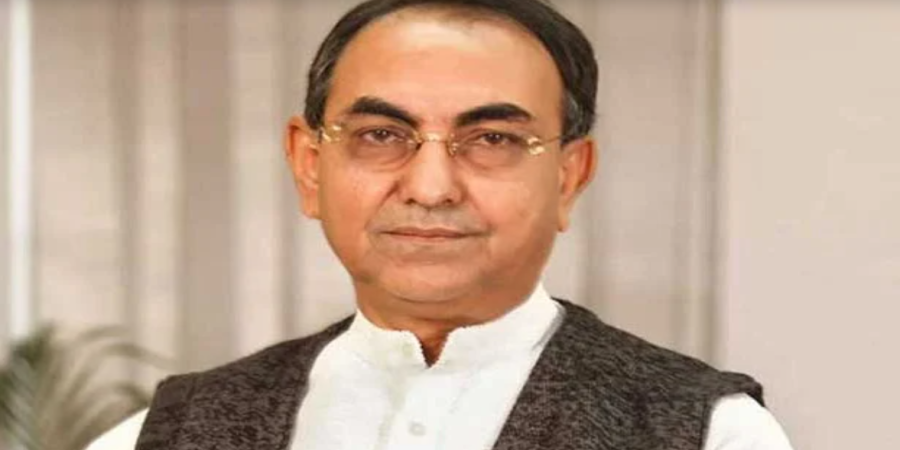
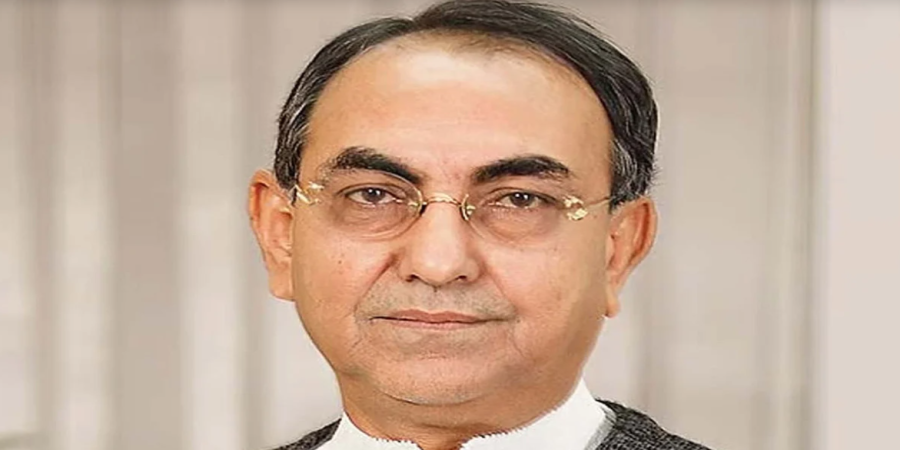
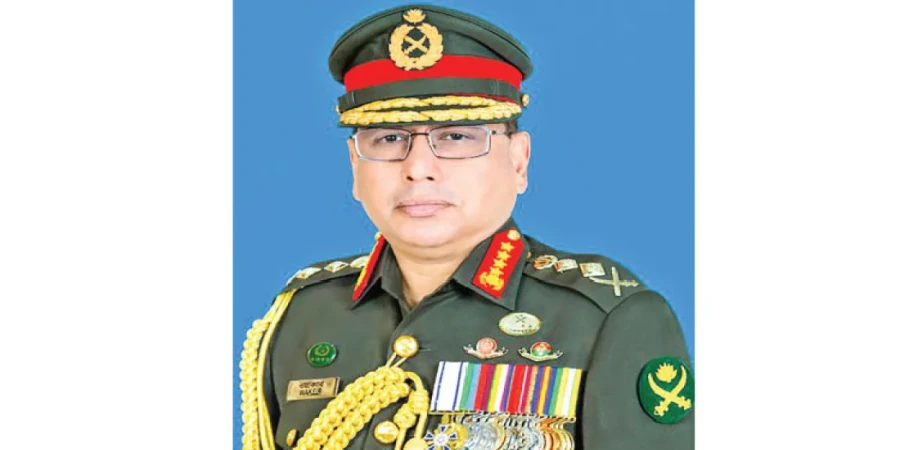
Dhaka witnessed a significant round of high-level meetings on Monday as the Chief of Army Staff, General Waker-Uz-Zaman, held separate discussions with President Mohammed Shahabuddin and Chief Adviser Professor Muhammad Yunus. The back-to-back meetings took place on the morning of September 1, underscoring the close coordination between the country’s civilian leadership and its top military official at a time when both domestic and international issues are commanding attention.
According to a responsible source, General Waker-Uz-Zaman first called on Chief Adviser Professor Muhammad Yunus. The meeting was understood to be cordial yet substantive, touching upon pressing matters of governance, security, and regional diplomacy. Shortly after, the Army Chief proceeded to the Bangabhaban, where he held discussions with President Mohammed Shahabuddin.
At both meetings, General Waker-Uz-Zaman provided a detailed account of his recent official visit to China. The visit, which had been closely followed by policy circles at home and abroad, is seen as part of Bangladesh’s ongoing efforts to maintain constructive defense and diplomatic ties with Beijing. Sources noted that the Army Chief briefed the President and the Chief Adviser on the outcomes of his engagements in China, which included discussions on military cooperation, training exchanges, and broader strategic dialogue.
China remains one of Bangladesh’s most significant defense partners, and Dhaka has often sought to balance its ties with Beijing alongside its relations with India, the United States, and other regional stakeholders. Against this backdrop, General Waker-Uz-Zaman’s debriefing was considered particularly relevant for the country’s civilian leadership. Both the President and the Chief Adviser were reportedly keen to understand the implications of the China visit for Bangladesh’s security posture and regional diplomacy.
In addition to international issues, the meetings delved into the country’s internal law and order situation. Recent months have seen rising concerns about political unrest, social tensions, and the broader security environment. The Army Chief was said to have shared his assessment of current developments, while both the President and the Chief Adviser stressed the importance of maintaining stability and ensuring that the rule of law is preserved.
Observers point out that such consultations are a routine but critical aspect of Bangladesh’s governance structure. The military, though constitutionally subordinate to civilian authority, plays a pivotal role in safeguarding the country’s sovereignty and ensuring internal stability. Against the backdrop of shifting regional dynamics, economic challenges, and domestic political complexities, coordination between civilian leaders and the armed forces has become even more vital.
The presence of Professor Muhammad Yunus as Chief Adviser adds another layer of significance. Known globally for his pioneering work in microfinance and social business, Yunus has been entrusted with overseeing the delicate balance of governance during the current transitional phase. His meeting with the Army Chief reflects a mutual recognition of the importance of cooperation between the caretaker administration and the military establishment in steering the country through sensitive times.
Meanwhile, President Mohammed Shahabuddin’s meeting with General Waker-Uz-Zaman further underscored the institutional links between the highest constitutional office and the armed forces. The President, as the supreme commander of the defense services, routinely receives briefings on national security matters. Monday’s meeting was a continuation of this practice, but the inclusion of discussions on the Army Chief’s China visit highlighted the broader geopolitical dimensions now influencing Bangladesh’s policy choices.
Diplomatic analysts note that Bangladesh’s relations with China have long been a subject of scrutiny, given Beijing’s expanding footprint in South Asia through trade, infrastructure, and defense partnerships. For Dhaka, maintaining strategic autonomy while balancing relationships with multiple global powers remains a core objective. The Army Chief’s report to the President and Chief Adviser therefore likely touched on how Bangladesh can safeguard its interests while navigating regional rivalries.
The timing of the meetings has also attracted attention. With economic pressures mounting and political debates intensifying, ensuring a stable law and order environment is crucial. General Waker-Uz-Zaman’s discussions with both leaders were therefore not merely ceremonial but carried practical significance for immediate governance priorities. Ensuring coordination between the executive authority and the armed forces is widely regarded as essential to preventing instability.
No official statements were issued after the meetings, in keeping with the discretion usually maintained around such high-level engagements. However, the fact that both the President and the Chief Adviser were briefed on the same day suggests an effort to maintain unity of understanding at the highest levels of leadership. Such synchronization is viewed as a necessary step to ensure coherent policy responses to both domestic challenges and international dynamics.
For the broader public, news of the meetings has been received with interest, particularly against the backdrop of heightened political awareness and debates about Bangladesh’s place in the shifting global order. The Army Chief’s recent China visit has already generated discussion among analysts, and Monday’s debriefing further underscores the importance attached to it by the country’s top leadership.
As Bangladesh continues to navigate a complex environment marked by economic pressures, regional rivalries, and domestic political transitions, the coordination between President Mohammed Shahabuddin, Chief Adviser Professor Muhammad Yunus, and Army Chief General Waker-Uz-Zaman will remain under close observation. Their joint focus on regional diplomacy and internal security signals a recognition that stability at home and credibility abroad are intertwined.
The meetings on September 1 therefore represent more than routine protocol. They reflect an active effort to ensure that Bangladesh’s leadership remains informed, aligned, and responsive to the dual challenges of governance and geopolitics. Whether discussing law and order at home or partnerships abroad, the conversations highlight the critical intersection of military and civilian leadership in guiding the country through uncertain times.
reporter