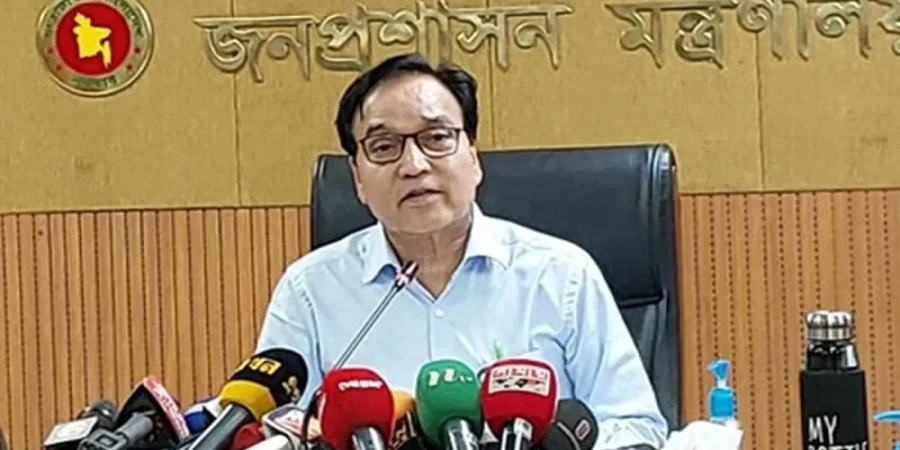
ছবি: -Collected Photo
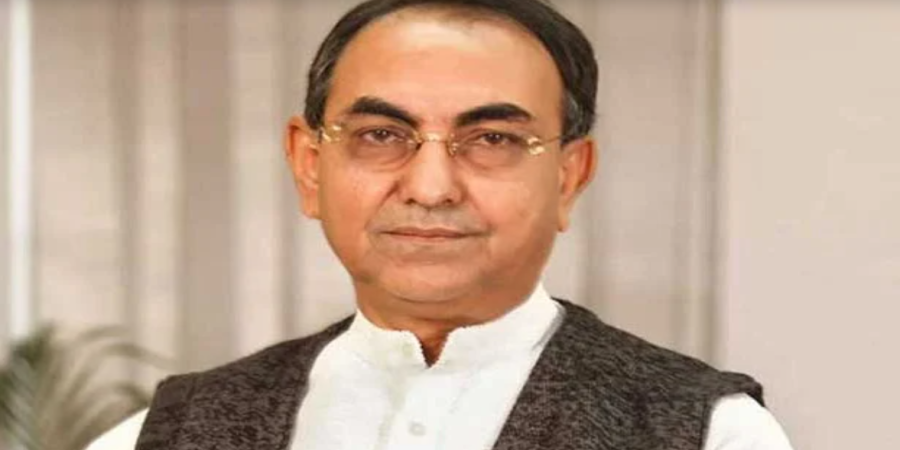
Senior Secretary of the Ministry of Public Administration, Md. Mohklesur Rahman, has categorically dismissed speculation that the appointment of Deputy Commissioners (DCs), the most critical field-level administrative officials, would be carried out through a lottery system ahead of the upcoming national elections.
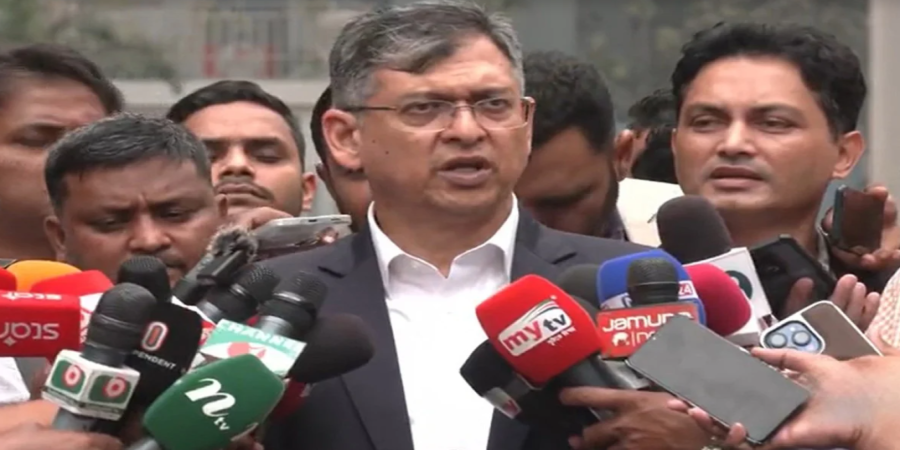
On Wednesday, September 3, Rahman addressed the media following a meeting with the newly appointed Inspector General of Police, Baharul Alam, at the Secretariat. In response to a journalist’s question regarding the procedure for DC appointments, the senior secretary emphasized that there had never been, nor will there ever be, any lottery-based process in the civil service. “At no time has there ever been a lottery for postings in the civil service. It is not happening now, and it will not happen in the future,” Rahman stated firmly.
The clarification comes at a time when public debate and rumors have intensified about possible irregularities in the appointment of DCs, particularly as the election period draws near. Given the central role of DCs in election management, speculation had arisen that a lottery system could be used to allocate postings in order to reduce accusations of bias. However, Rahman’s remarks were intended to end that speculation and reinforce the ministry’s established procedures.
He explained that the transfer or withdrawal of DCs was being done strictly on the basis of complaints or administrative needs, not through arbitrary means. “Right now, DCs are being withdrawn when there are allegations against them. We have a fit list in place. Some new appointments have been made recently, and more will follow soon. Where stability is required—for instance, where there are enough joint secretaries—we will bring them forward before the elections. In those cases, existing DCs will be replaced,” Rahman explained.
He further elaborated on the structured process for appointing DCs. According to him, Upazila Nirbahi Officers (UNOs) serve as Assistant Returning Officers during elections, while DCs act as Returning Officers. Because of this crucial electoral responsibility, DC appointments are made through a rigorous multi-step process.
Rahman pointed out that the Ministry of Public Administration does not act unilaterally in this matter. Instead, a seven-member committee on public administration matters is involved in the process. Additionally, there is a separate five-member DC Selection Committee. “The fit list for DCs is prepared first. After that, it goes before the committee, which examines it carefully. Appointments are then made from that list,” he said.
The final stage involves approval from the Chief Adviser of the caretaker government. Once that approval is secured, the Ministry of Public Administration issues the official notification. “This is not the sole responsibility of the Public Administration Ministry. Many assume the beginning and end of the matter lies with us, but that is not true. It is a process involving several steps and authorities,” Rahman clarified.
The comments also reflect the heightened sensitivity surrounding DC postings during election periods. DCs not only oversee general district administration but also play a pivotal role in conducting free and fair elections. Their responsibilities include acting as Returning Officers, maintaining law and order, and coordinating with law enforcement agencies to ensure the smooth running of the electoral process.
The senior secretary acknowledged that changes in DC positions had already been made in some districts and that more would be made in the coming weeks to ensure proper electoral administration. He emphasized that the process was transparent and based on accountability, countering claims of favoritism or manipulation.
Observers note that such clarifications from the Public Administration Ministry are critical in the lead-up to elections, as the credibility of the administrative machinery is often questioned by political parties and civil society groups. Rumors of lottery-based postings, while unfounded, had circulated widely, reflecting public anxiety about neutrality and fairness in election-related appointments.
By rejecting these claims, Rahman sought to reassure both the public and political stakeholders that DC appointments would follow the established institutional framework. His remarks also highlighted the existence of multiple oversight mechanisms designed to prevent arbitrary decisions.
The meeting with the Inspector General of Police underscored the coordination between administrative and law enforcement agencies ahead of the elections. Both the DCs and police play central roles in ensuring order and fairness during voting, and discussions at the Secretariat focused on strengthening this collaboration.
In his concluding remarks, Rahman reiterated that there was no scope for lottery-based appointments in Bangladesh’s civil service structure. Instead, the government would continue to follow its structured approach of preparing fit lists, reviewing them through committees, and securing final approval before issuing notifications.
As the country moves closer to national elections, the assurance from the Ministry of Public Administration is intended to calm speculation and reinforce confidence in the integrity of administrative processes. For many observers, the statement serves as a reminder that the system of governance, though often subject to scrutiny, still relies on established rules and institutional checks rather than arbitrary mechanisms.
The broader implication of Rahman’s comments is that the ministry is seeking to protect both the credibility of the civil service and the transparency of the election process. With DCs playing such a vital role, the assurance of fairness and order in their appointment is not only a bureaucratic necessity but also a cornerstone for maintaining public trust in the democratic process.
reporter