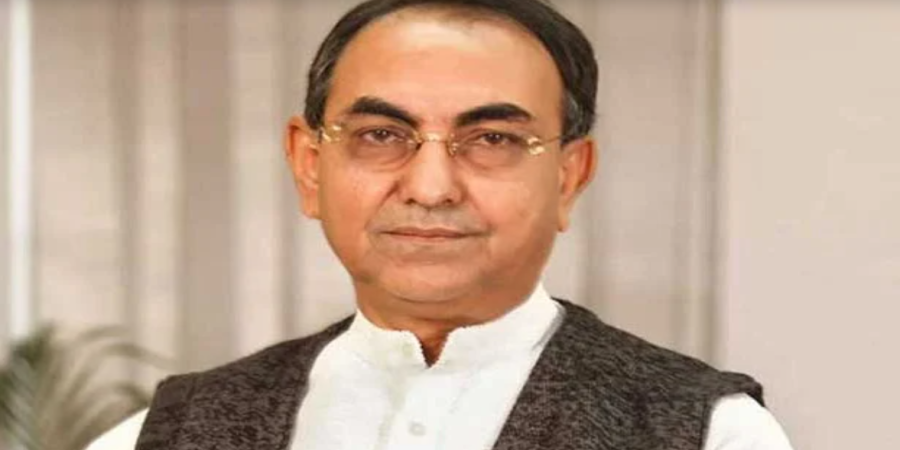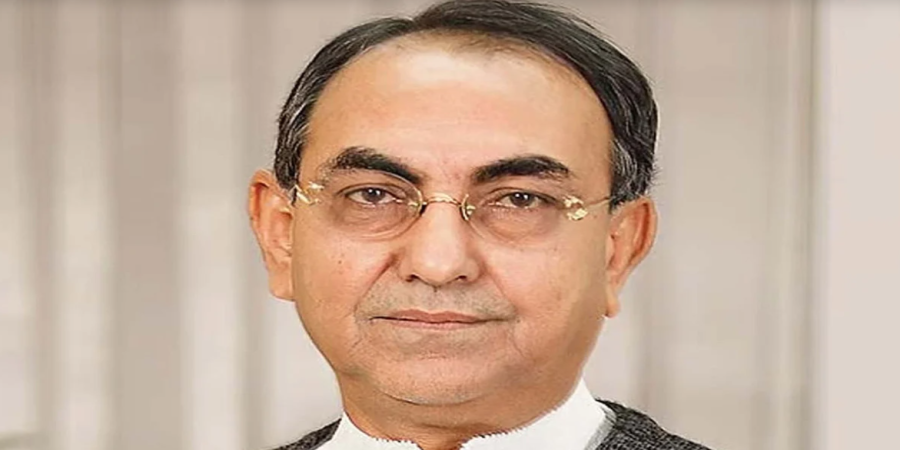
ছবি: -Collected Photo
Dhaka — Chief of Army Staff General Waker-Uz-Zaman has said that all citizens of Bangladesh enjoy equal rights regardless of religion, ethnicity, or social identity, stressing that the nation remains committed to preserving harmony and mutual respect among its diverse communities. Speaking at the inauguration of Janmashtami celebrations in the capital on Saturday, the Army Chief underscored the importance of inclusiveness as a cornerstone of the country’s progress.
Addressing the audience, which included members of the Hindu community, government officials, religious leaders, and cultural figures, General Waker-Uz-Zaman reiterated that Bangladesh’s identity has always been shaped by the coexistence of different faiths and traditions. “In this country, everyone’s rights are equal. There will be no discrimination on the basis of religion or race. We have been living together in peace and harmony, and we will continue to do so in the future,” he said.
The Army Chief’s remarks come at a time when religious festivals are seen not only as cultural celebrations but also as symbols of unity. Janmashtami, commemorating the birth of Lord Krishna, is one of the most significant festivals for the Hindu community in Bangladesh. Over the years, it has grown into an event observed not only by devotees but also by neighbors and friends from other faiths, embodying the spirit of inclusiveness that has long characterized Bangladeshi society.
In his speech, General Waker-Uz-Zaman pointed to the shared values that connect people across different communities. He emphasized that the foundation of the nation lies in respect for one another’s beliefs and the protection of every citizen’s dignity. “The spirit of harmony is a part of our national heritage. We must preserve it for future generations so that our children inherit a society free from division and hatred,” he remarked.
He also highlighted the role of the armed forces in safeguarding not only the territorial integrity of the country but also its social fabric. According to him, the military’s duty goes beyond defending borders—it includes upholding constitutional values, ensuring security for all, and assisting in building an environment where every citizen feels safe and respected.
The event’s atmosphere reflected this very message. Streets in parts of Dhaka were adorned with colorful lights, processions were organized with devotional songs and traditional performances, and members of the Hindu community participated in rituals and prayers. Representatives from other faiths also attended, demonstrating the festival’s broad cultural reach.
General Waker-Uz-Zaman praised such celebrations for bringing communities together. He noted that while religion plays a significant role in people’s personal lives, festivals offer a chance for society at large to embrace its diversity. “Celebrations like Janmashtami are not just for one community—they enrich the entire nation. They allow us to see the beauty of our differences while reminding us of our shared humanity,” he said.
Observers at the event noted that the Army Chief’s comments resonated strongly with Bangladesh’s founding principles, which envisioned the country as a democratic and inclusive society. The assurance that no community would be marginalized based on their faith has remained central to the country’s constitution and public discourse.
Religious leaders present at the ceremony expressed appreciation for the Army Chief’s statement. Many said that hearing such words from a high-ranking national leader was a source of confidence and reassurance for minority groups. They emphasized that maintaining harmony requires not only government policies but also consistent goodwill and interaction among ordinary citizens.
Beyond the festival itself, the event served as a platform to reaffirm Bangladesh’s broader social contract. The message that equal rights belong to all citizens has deep significance, especially in a diverse society where Muslims, Hindus, Buddhists, Christians, and other communities live side by side. General Waker-Uz-Zaman’s remarks reflected an understanding that unity is essential for national development and stability.
He further urged citizens to remain vigilant against forces that might seek to disrupt harmony. According to him, intolerance and division pose threats not only to communities but also to the progress of the entire country. “We must resist any attempt to divide us along religious or ethnic lines. Our strength lies in our unity, and it is this unity that has always guided us through challenges,” he stated.
The celebration concluded with cultural performances, religious rituals, and communal gatherings where people from different walks of life participated together. Attendees described the occasion as an embodiment of the Bangladesh they want to see—where diversity is embraced, rights are protected, and all communities contribute to the nation’s collective future.
General Waker-Uz-Zaman’s presence and his words added weight to the festivities, offering not only a gesture of solidarity but also a commitment to ensuring that the principles of equality remain safeguarded. For many, it was a reminder that leadership in Bangladesh is not only about governance and security but also about moral responsibility and social guidance.
As the festival drew to a close, the message of the Army Chief lingered: that Bangladesh’s strength lies in its ability to treat every citizen equally, to preserve harmony among its communities, and to uphold the values of respect and coexistence. In a country where traditions and faiths interweave into everyday life, his assurance stood as both a reflection of the present and a vision for the future.
reporter