ছবি: ফাইল ছবি
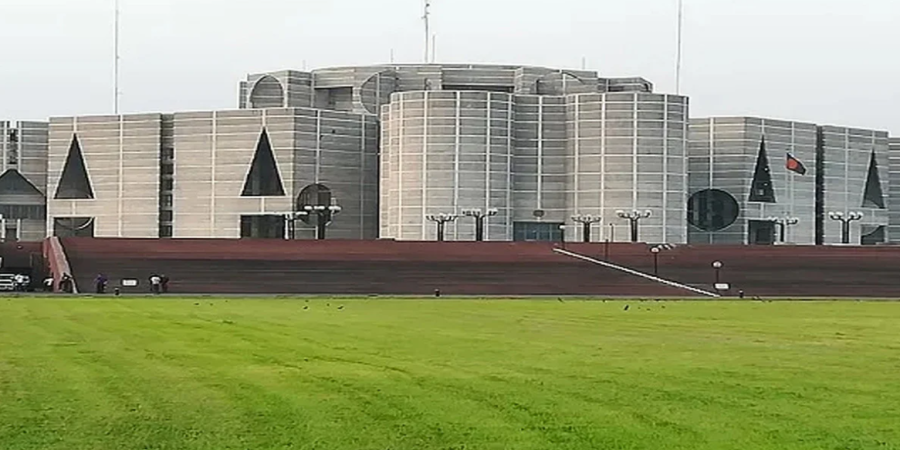
The thirteenth national parliamentary election has marked a defining moment in Bangladesh’s political history. With enthusiastic voter turnout, a largely peaceful environment, and widespread public participation, the election is being viewed as a symbolic restoration of democratic rights after years of political stagnation. Yet, amid this historic achievement lies a profound sense of loss—the leader who stood unwaveringly for democracy throughout her life, Begum Khaleda Zia, did not live to witness this victory.
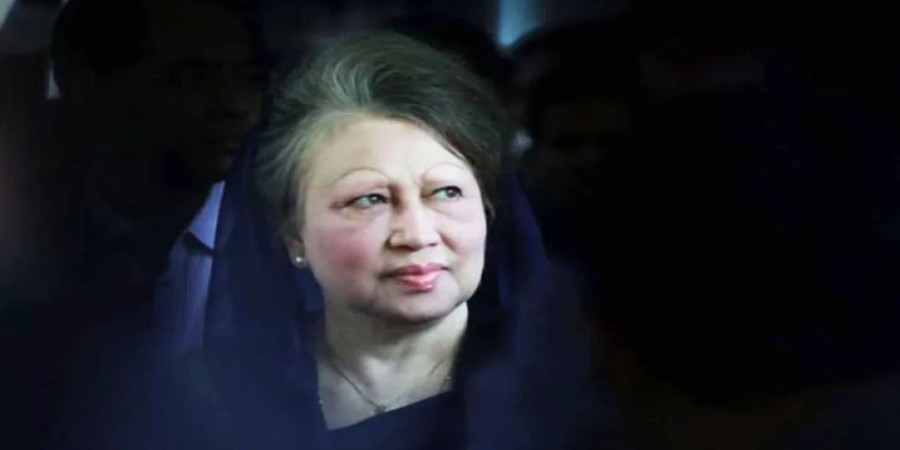
Khaleda Zia’s political journey was defined by resilience, patience, and uncompromising resolve. She entered politics unexpectedly, once living the life of an ordinary homemaker. After the assassination of President Ziaur Rahman, she assumed leadership of her party and eventually the responsibility of governing the country. Her sustained leadership during movements against authoritarian rule earned her the enduring title of the “uncompromising leader.”
Analysts describe this election as more than a routine transfer of power. It represents the end of a prolonged era marked by restricted voting rights and democratic uncertainty. The festive scenes at polling centers across the country reflected the people’s relief and excitement at reclaiming their voices. In that context, Khaleda Zia’s absence was deeply felt by supporters and party members alike.
Leaders within her party expressed regret that the woman who devoted her life to defending democratic principles could not witness the moment when those ideals finally prevailed. Many believe that had she been alive, she would have been the happiest person to see this outcome, as it was the culmination of decades of political struggle.
According to unofficial results, the BNP secured a decisive victory. Party chairman Tarique Rahman won from multiple constituencies and is widely expected to assume the role of prime minister. His success, after spending nearly 17 years in exile, adds another emotional layer to the moment—one that Khaleda Zia did not live to see.
Often addressed as “Deshnetri” by her followers, Khaleda Zia gradually transcended party politics to become a figure of national stature. Her calm demeanor, strong sense of dignity, and unyielding courage defined her leadership. Despite imprisonment, humiliation, and profound personal loss, she remained steadfast.
During political crises, including attempts to force her into exile, she famously declared that Bangladesh was her only home. Her politics revolved around the people, the land, and the nation she loved deeply.
As Bangladesh celebrates a democratic milestone, Khaleda Zia’s legacy stands as an invisible yet powerful presence. Her sacrifices and steadfast commitment are inseparable from this victory. Though she could not witness the moment herself, history will remember her as the leader whose lifelong struggle made such a democratic triumph possible.
reporter