ছবি: সংগৃহীত ছবি
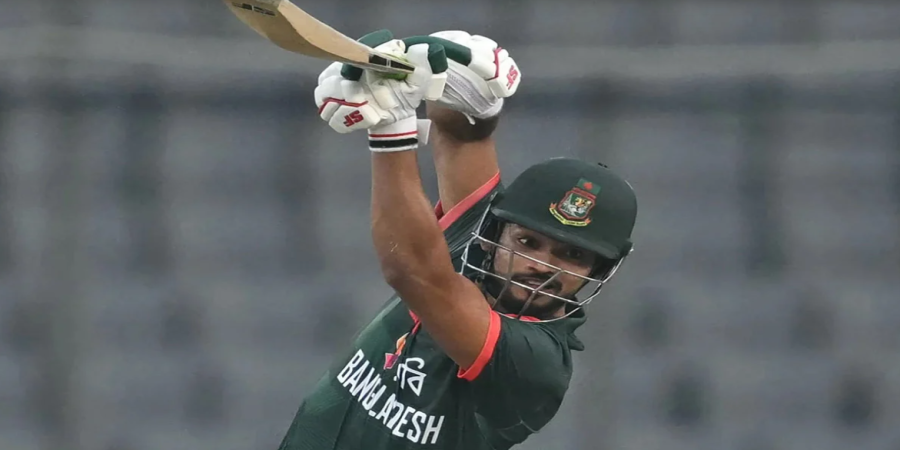
Tensions between the International Cricket Council (ICC) and the Bangladesh Cricket Board (BCB) surfaced during a recent meeting as heated disagreements broke out over the future structure of the T20 World Cup, the regional qualifying system, and the financial distribution model, exposing long-standing frustrations concerning how global cricket power is concentrated and how emerging markets are treated. According to BCB officials, recent ICC proposals to streamline the tournament and reduce the number of participating teams risk marginalizing smaller or mid-level cricket economies, limiting their media exposure, broadcast value, sponsorship potential, and overall incentive to invest in player development and infrastructure. They argued that Bangladesh, having contributed significantly to the sport’s development across Asia through grassroots programs, domestic leagues and franchise competitions, must not be pushed to the periphery of the global competitive stage in the name of commercial optimization. The ICC, for its part, defended the restructuring plans by citing broadcasting needs, scheduling constraints, security logistics, venue capacity and the need for tighter competition to appeal to younger global audiences who prefer fast-paced tournaments with shorter calendars. BCB’s leadership countered that competitive diversity is central to the sport’s health, and that emerging cricket nations rely on the World Cup not only as a competitive arena but as an advertising platform for the game itself—helping build fan bases, inspire new participants and justify long-term investment in facilities and coaching pipelines. Sources present at the meeting noted that the disagreement also extended to revenue-sharing mechanisms, with BCB claiming that commercial income models disproportionately reward a small set of cricket markets while failing to reinvest adequately into developmental regions. Analysts also highlighted that the issue goes beyond tournament logistics and touches on fundamental governance questions—specifically, who gets to shape cricket’s global calendar and to what extent financial interests should dictate the strategic direction of the sport. While ICC executives stressed that global expansion remains a priority, they called for pragmatic realism in balancing market efficiency with competitive inclusivity. BCB officials, however, warned that sidelining teams for the sake of broadcast profitability could produce long-term imbalances and suppress the emergence of new cricketing powers, ultimately narrowing both the competitive landscape and the cultural footprint of the game. Following the meeting, no party made aggressively public remarks, but multiple insiders confirmed that discussions were tense and that diplomatic work will be needed before final calendar decisions and commercial negotiations take place later in the year. Observers believe the matter may escalate during renewal of broadcasting rights, when financial incentives tend to harden bargaining positions. With T20 cricket now functioning as a key node of the sport’s global economy, linking tournament architecture to sponsorship, distribution, broadcast, expansion strategy and national investment, disputes of this nature are likely to recur. Ultimately, the episode highlights the growing struggle between the sport’s commercial acceleration and its aspiration to retain a globally diverse competitive field—an issue that may define the next phase of world cricket governance.
reporter